
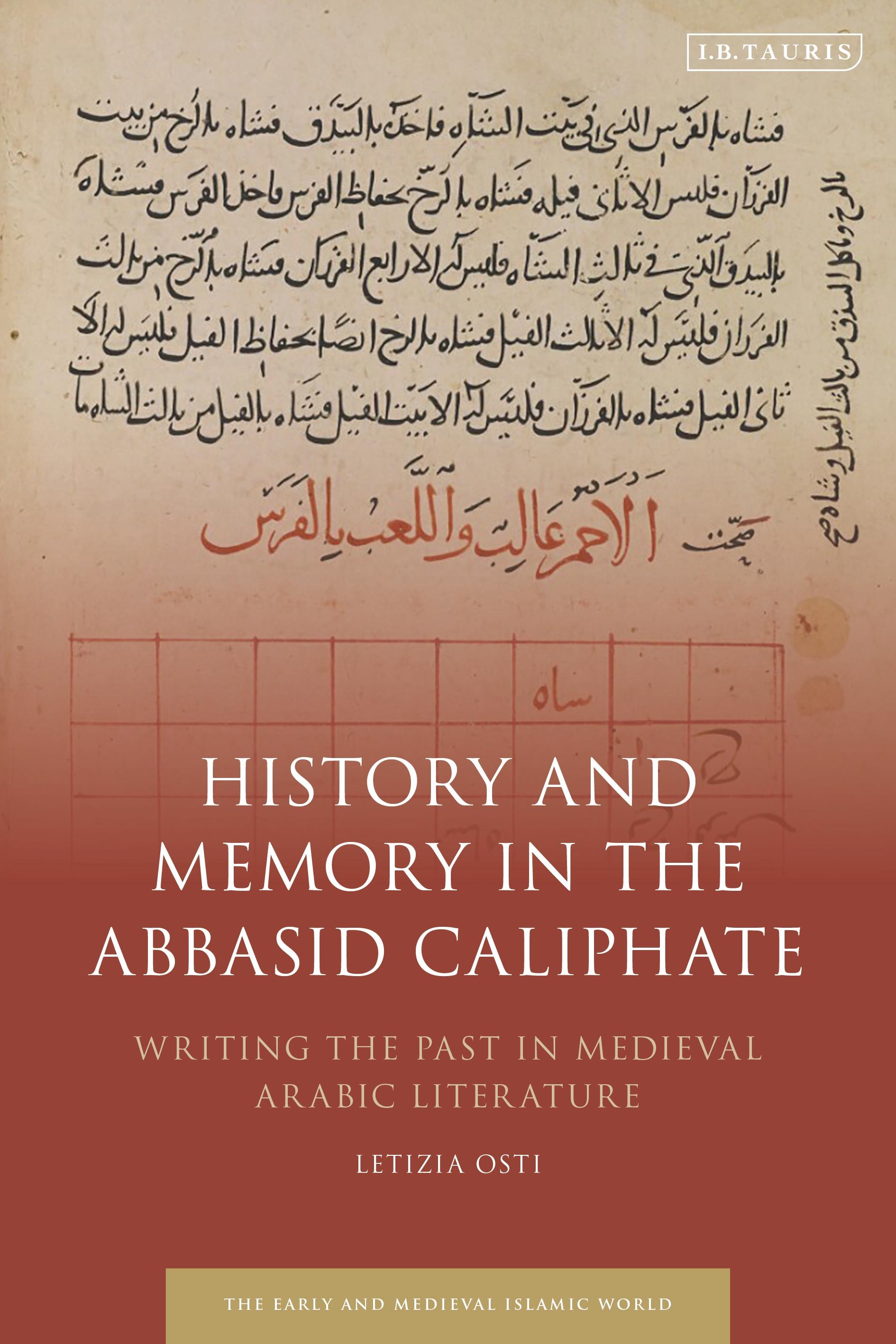
Abu Bakr al-Suli was an Abbasid polymath and table companion, as well as a legendary chess player. He was perhaps best known for his work on poetry and chancery, which would have a long-lasting influence on Arabic literature. His decades of service at the court of at least three caliphs give him a unique perspective as an historian of his own time, although he is often valued as an observer rather than an interpreter of events for posterity.
Letizia Osti here provides the first full-length English-language study devoted to al-Suli, illustrating how investigating the life, times and works of such a complex individual can serve as a fil rouge for tackling broader, contested concepts, such as biography, autobiography, court culture, and written culture. The result is an exploration of the ways in which the Abbasid court made sense of the past and, in general, of what 'historiography' means in a medieval Arabic context.
Letizia Osti here provides the first full-length English-language study devoted to al-Suli, illustrating how investigating the life, times and works of such a complex individual can serve as a fil rouge for tackling broader, contested concepts, such as biography, autobiography, court culture, and written culture. The result is an exploration of the ways in which the Abbasid court made sense of the past and, in general, of what 'historiography' means in a medieval Arabic context.
Pay easily by card, Klarna, Apple Pay or Google Pay. Not happy? You always have a 14-day money-back guarantee. Read more in our terms. If you have any questions, email us at hello@memmo.org.
Memmo makes studying easier – wherever you are in the world. We bring your course books and smart study tools together in one place: summaries, quizzes, podcasts and flashcards. Plus Ted, your study buddy who answers anything you wonder. Over 50,000 students already study here – built to help you learn faster and stress less.