
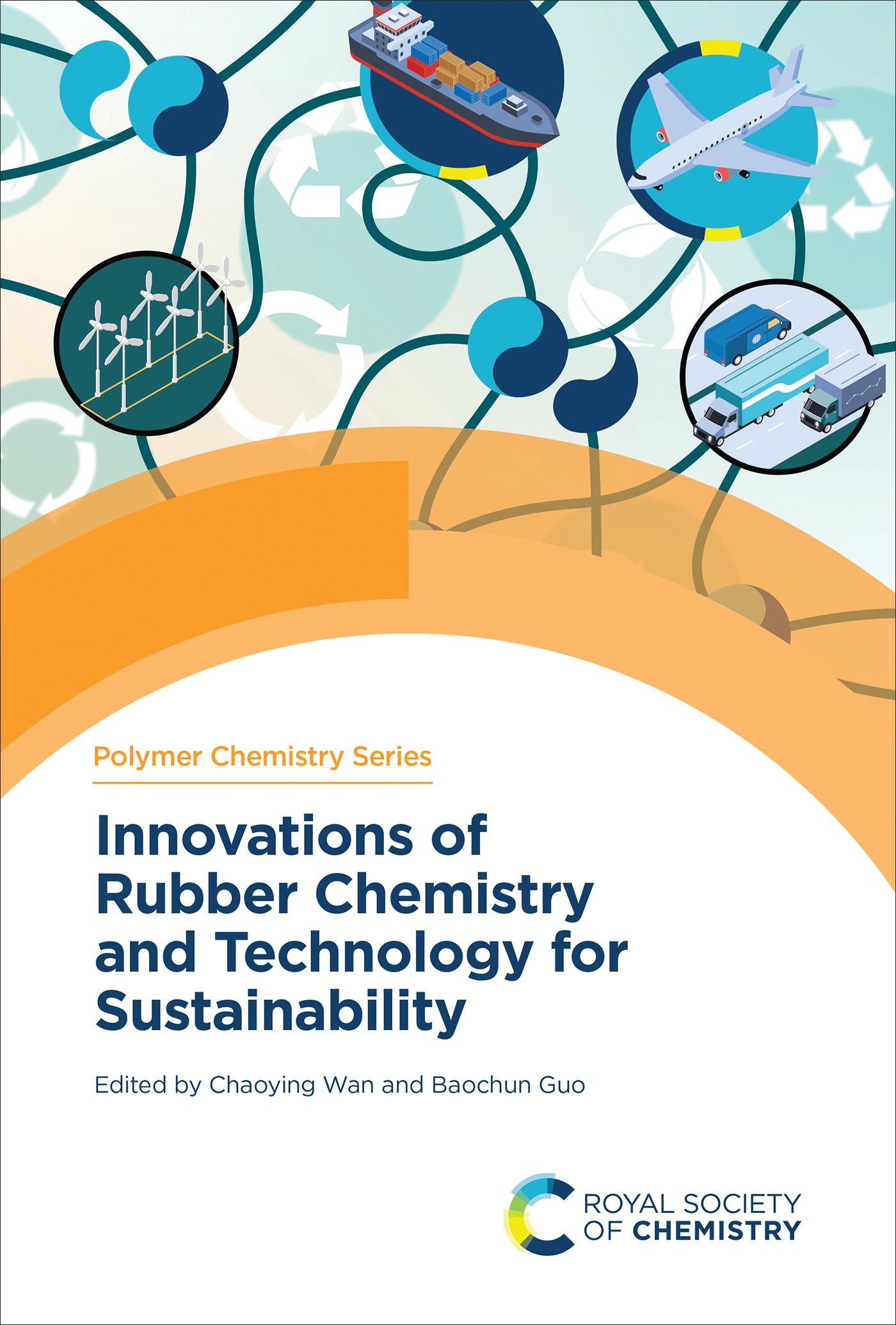
Rubbers are ubiquitous materials that play irreplaceable roles in modern society, from tires, seals, hoses, vibration/noise control, biomedical devices, and stretchable electronics to soft robotics. The traditional rubber manufacturing and vulcanization process is energy-intensive, and the end-of-life rubber products are hard to reuse and recycle due to the permanently crosslinked chemical structures and the variety of processing additives involved. Innovation of sustainable rubber chemistry and technology is urgently needed.
This book provides critical reviews of the latest developments in rubber technology, including energy-efficient devulcanization techniques, the dynamic crosslinking chemistry of rubbers, and an understanding of the trade-off between network dynamics and the properties of rubber. Further chapters explore the functionalization and hybridization of fillers and how blends, TPVs, and multiple networks influence the sustainability of rubber. The book concludes with an examination of new developments and real-world applications of rubber in the circular economy.
Pay easily by card, Klarna, Apple Pay or Google Pay. Not happy? You always have a 14-day money-back guarantee. Read more in our terms. If you have any questions, email us at hello@memmo.org.
Memmo makes studying easier – wherever you are in the world. We bring your course books and smart study tools together in one place: summaries, quizzes, podcasts and flashcards. Plus Ted, your study buddy who answers anything you wonder. Over 75,000 students already study here – built to help you learn faster and stress less.