
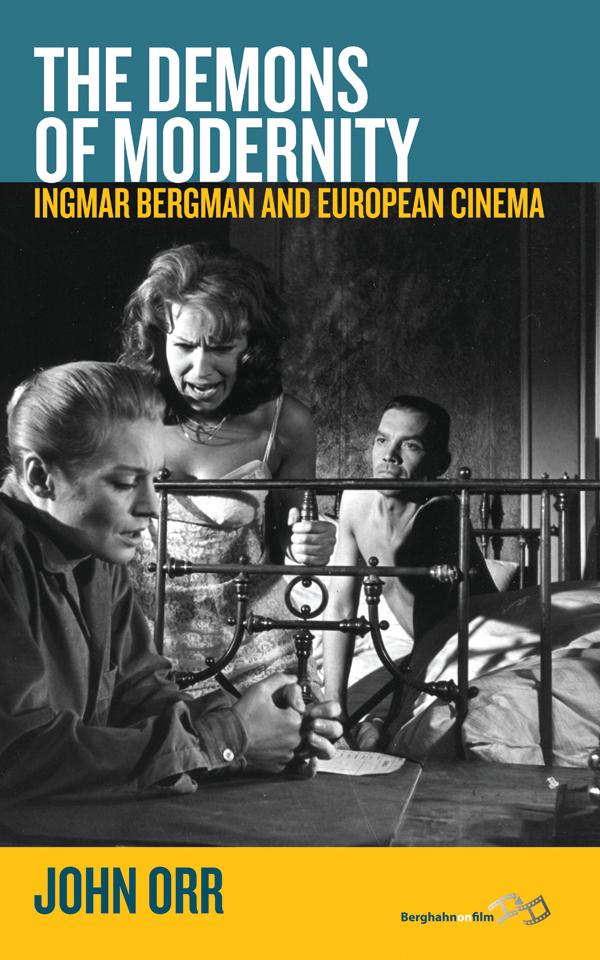
Ingmar Bergman’s films had a very broad and rich relationship with the rest of European cinema, contrary to the myth that Bergman was a peripheral figure, culturally and aesthetically isolated from the rest of Europe. This book contends that he should be put at the very center of European film history by chronologically comparing Bergman’s relationship to key European directors such as Carl Theodor Dreyer, Jean-Luc Godard, Michelangelo Antonioni, and Andrei Tarkovsky, and also looks at Bergman’s critical relationship to key movements in film history such as the French New Wave. In so doing, it demonstrates how Ingmar Bergman’s films illustrate the demonic struggle in modernity between faith and secularity through “his intense preoccupation with the malaise of intimacy.”
Pay easily by card, Klarna, Apple Pay or Google Pay. Not happy? You always have a 14-day money-back guarantee. Read more in our terms. If you have any questions, email us at hello@memmo.org.
Memmo makes studying easier – wherever you are in the world. We bring your course books and smart study tools together in one place: summaries, quizzes, podcasts and flashcards. Plus Ted, your study buddy who answers anything you wonder. Over 50,000 students already study here – built to help you learn faster and stress less.