
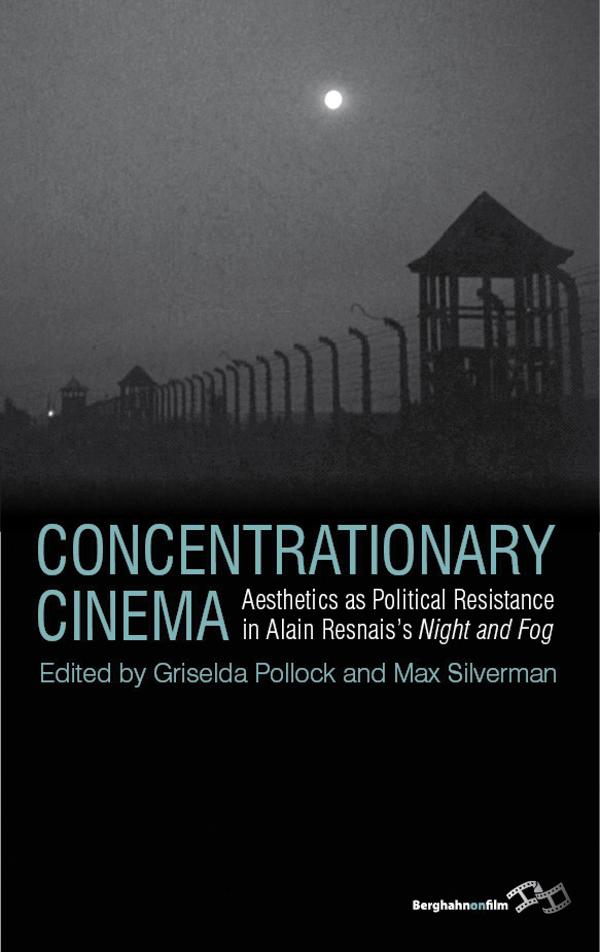
Since its completion in 1955, Alain Resnais’s Night and Fog (Nuit et Brouillard) has been considered one of the most important films to confront the catastrophe and atrocities of the Nazi era. But was it a film about the Holocaust that failed to recognize the racist genocide? Or was the film not about the Holocaust as we know it today but a political and aesthetic response to what David Rousset, the French political prisoner from Buchenwald, identified on his return in 1945 as the ‘concentrationary universe’ which, now actualized, might release its totalitarian plague any time and anywhere? What kind of memory does the film create to warn us of the continued presence of this concentrationary universe? This international collection re-examines Resnais’s benchmark film in terms of both its political and historical context of representation of the camps and of other instances of the concentrationary in contemporary cinema. Through a range of critical readings, Concentrationary Cinema explores the cinematic aesthetics of political resistance not to the Holocaust as such but to the political novelty of absolute power represented by the concentrationary system and its assault on the human condition.
Pay easily by card, Klarna, Apple Pay or Google Pay. Not happy? You always have a 14-day money-back guarantee. Read more in our terms. If you have any questions, email us at hello@memmo.org.
Memmo makes studying easier – wherever you are in the world. We bring your course books and smart study tools together in one place: summaries, quizzes, podcasts and flashcards. Plus Ted, your study buddy who answers anything you wonder. Over 50,000 students already study here – built to help you learn faster and stress less.