
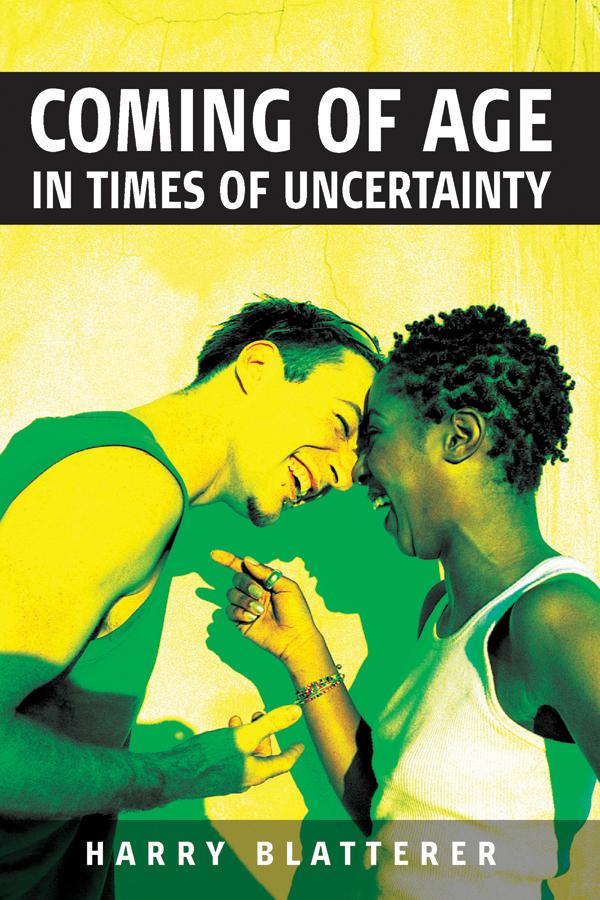
Adulthood is taken for granted. It connotes the end of childhood, the resolution to the “storm and stress” period of adolescence. This conception is strongly entrenched in the sociology of youth and the sociology of the life course as well as in the policy arena. At the same time, adulthood itself remains unarticulated; journey’s end remains conceptually fixed and theoretically uncontested. Adulthood, then, is both central to the social imagination and neglected as an area of sociological investigation, something that has been noted by sociologists over the last four decades. Going beyond the overwhelmingly psychological literature, this book draws on original qualitative research and theories of social recognition and thus presents a first step towards filling an important gap in our understanding of the meaning of adulthood.
Pay easily by card, Klarna, Apple Pay or Google Pay. Not happy? You always have a 14-day money-back guarantee. Read more in our terms. If you have any questions, email us at hello@memmo.org.
Memmo makes studying easier – wherever you are in the world. We bring your course books and smart study tools together in one place: summaries, quizzes, podcasts and flashcards. Plus Ted, your study buddy who answers anything you wonder. Over 50,000 students already study here – built to help you learn faster and stress less.