
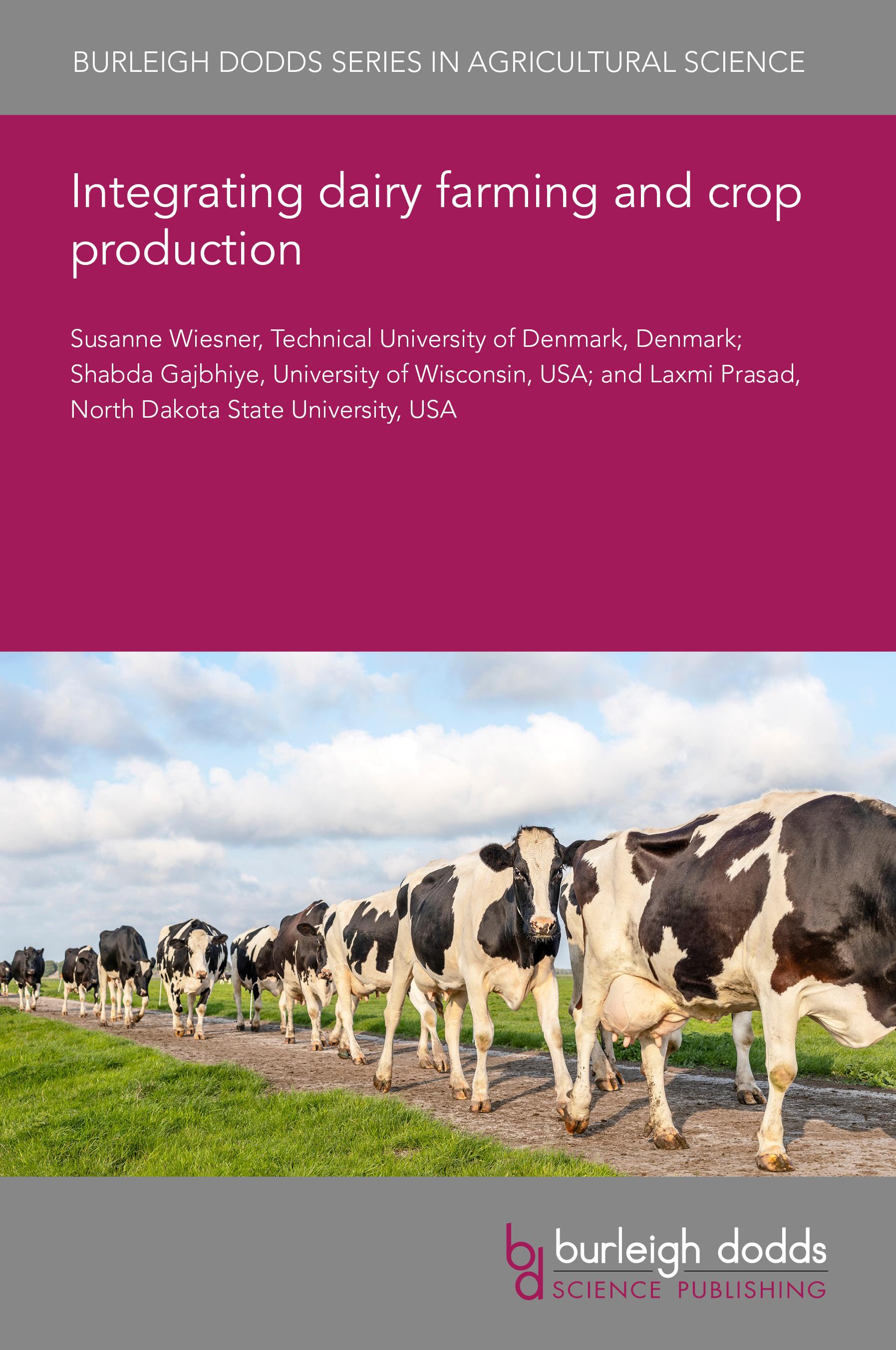
This chapter explores the path to net zero dairy agriculture by emphasizing the multifunctionality of Integrated Crop-Livestock Systems (ICLS), accounting for greenhouse gas (GHG) emissions across farm boundaries, assessing the mitigation potential of farm vegetation, evaluating GHG mitigation technologies, and understanding net zero on appropriate timescales. It highlights the connection between socio-economic drivers, the environment, and climate, advocating for circular economies to enhance resilience, efficiency, and profitability in agricultural practices. Various strategies to offset, capture, or reduce GHG emissions from livestock agricultural systems show varied effectiveness. Historical focus on improving dairy breeds for higher milk production often overlooked environmental impacts. Recent research on feed additives shows promise but faces scalability. Integrated systems such as agroforestry offer significant benefits by reducing inputs and enhancing resilience. Addressing waste management and overproduction is crucial. Balancing economic and environmental sustainability requires a multifaceted approach, integrating innovative technologies, traditional practices, and adaptive management strategies.
Pay easily by card, Klarna, Apple Pay or Google Pay. Not happy? You always have a 14-day money-back guarantee. Read more in our terms. If you have any questions, email us at hello@memmo.org.
Memmo makes studying easier – wherever you are in the world. We bring your course books and smart study tools together in one place: summaries, quizzes, podcasts and flashcards. Plus Ted, your study buddy who answers anything you wonder. Over 50,000 students already study here – built to help you learn faster and stress less.