
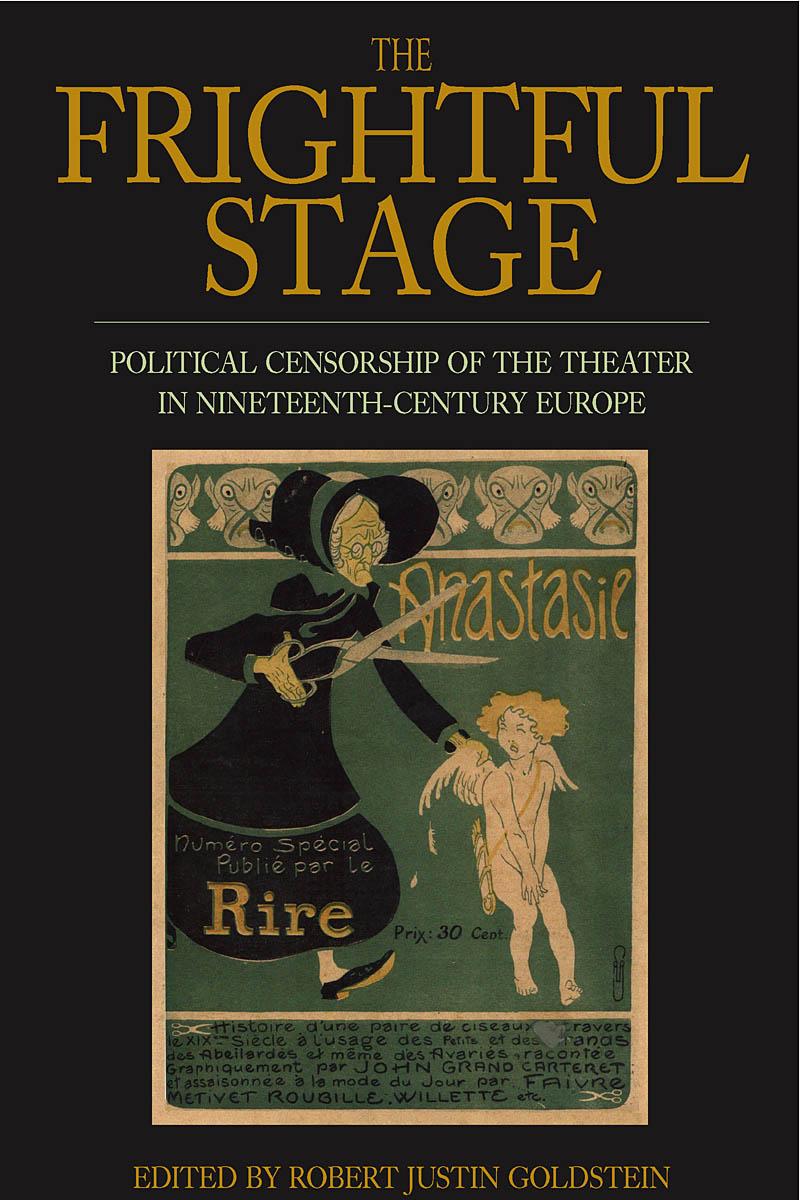
In nineteenth-century Europe the ruling elites viewed the theater as a form of communication which had enormous importance. The theater provided the most significant form of mass entertainment and was the only arena aside from the church in which regular mass gatherings were possible. Therefore, drama censorship occupied a great deal of the ruling class’s time and energy, with a particularly focus on proposed scripts that potentially threatened the existing political, legal, and social order. This volume provides the first comprehensive examination of nineteenth-century political theater censorship at a time, in the aftermath of the French Revolution, when the European population was becoming increasingly politically active.
Pay easily by card, Klarna, Apple Pay or Google Pay. Not happy? You always have a 14-day money-back guarantee. Read more in our terms. If you have any questions, email us at hello@memmo.org.
Memmo makes studying easier – wherever you are in the world. We bring your course books and smart study tools together in one place: summaries, quizzes, podcasts and flashcards. Plus Ted, your study buddy who answers anything you wonder. Over 75,000 students already study here – built to help you learn faster and stress less.