
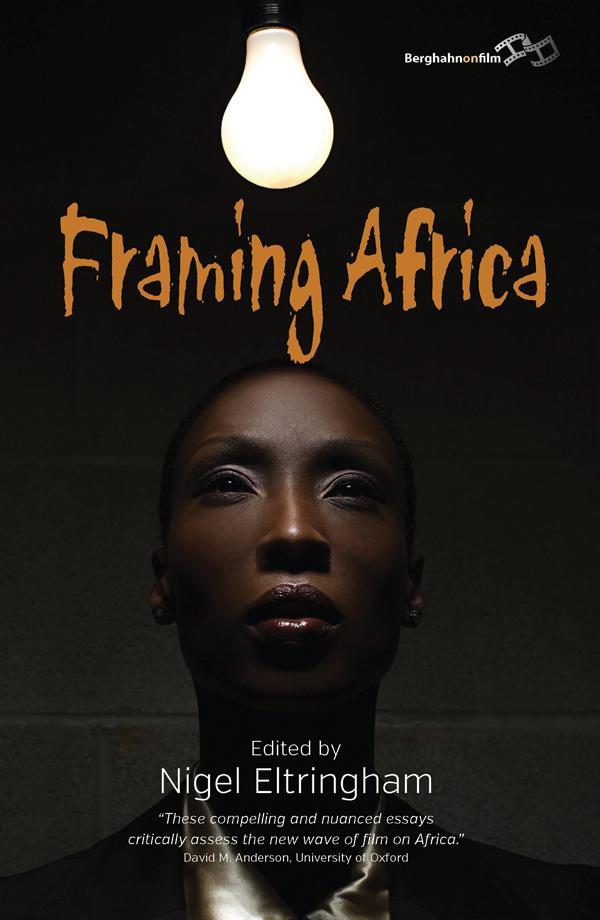
The first decade of the 21st century has seen a proliferation of North American and European films that focus on African politics and society. While once the continent was the setting for narratives of heroic ascendancy over self (The African Queen, 1951; The Snows of Kilimanjaro, 1952), military odds (Zulu, 1964; Khartoum, 1966) and nature (Mogambo, 1953; Hatari!,1962; Born Free, 1966; The Last Safari, 1967), this new wave of films portrays a continent blighted by transnational corruption (The Constant Gardener, 2005), genocide (Hotel Rwanda, 2004; Shooting Dogs, 2006), ‘failed states’ (Black Hawk Down, 2001), illicit transnational commerce (Blood Diamond, 2006) and the unfulfilled promises of decolonization (The Last King of Scotland, 2006). Conversely, where once Apartheid South Africa was a brutal foil for the romance of East Africa (Cry Freedom, 1987; A Dry White Season, 1989), South Africa now serves as a redeemed contrast to the rest of the continent (Red Dust, 2004; Invictus, 2009). Writing from the perspective of long-term engagement with the contexts in which the films are set, anthropologists and historians reflect on these films and assess the contemporary place Africa holds in the North American and European cinematic imagination.
Pay easily by card, Klarna, Apple Pay or Google Pay. Not happy? You always have a 14-day money-back guarantee. Read more in our terms. If you have any questions, email us at hello@memmo.org.
Memmo makes studying easier – wherever you are in the world. We bring your course books and smart study tools together in one place: summaries, quizzes, podcasts and flashcards. Plus Ted, your study buddy who answers anything you wonder. Over 50,000 students already study here – built to help you learn faster and stress less.