
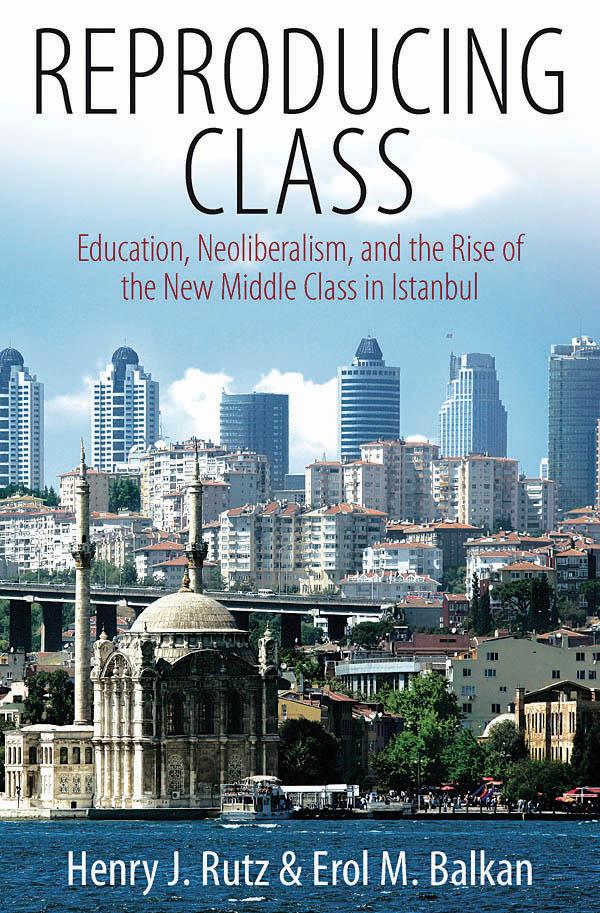
Middle classes are by definition ambiguous, raising all sorts of paradoxical questions, perceived and real, about their power and place relative to those above and below them in a class-structured society. Focusing on families of the new middle class in Istanbul, the authors of this study address questions about the social construction of middle-class reality in the context of the rapid changes that have come about through recent economic growth in global markets and the global diffusion of information technology. After 1980, Turkey saw a structural transformation from state-owned and managed industry, banking, and media and communications to privatization and open markets. The idea of being middle class and the reality of middle-class practices became open for negotiation and interpretation. This study therefore offers a particularly interesting case study of an emergent global phenomenon known as the transnational middle class, characterized by their location of work in globalizing cities, development of transnational social networks, sumptuary consumption habits, and residences in gated communities. As the authors show, this new middle class associates quality education, followed by property and lifestyle issues, with the concept of a comfortable life.
Pay easily by card, Klarna, Apple Pay or Google Pay. Not happy? You always have a 14-day money-back guarantee. Read more in our terms. If you have any questions, email us at hello@memmo.org.
Memmo makes studying easier – wherever you are in the world. We bring your course books and smart study tools together in one place: summaries, quizzes, podcasts and flashcards. Plus Ted, your study buddy who answers anything you wonder. Over 50,000 students already study here – built to help you learn faster and stress less.