
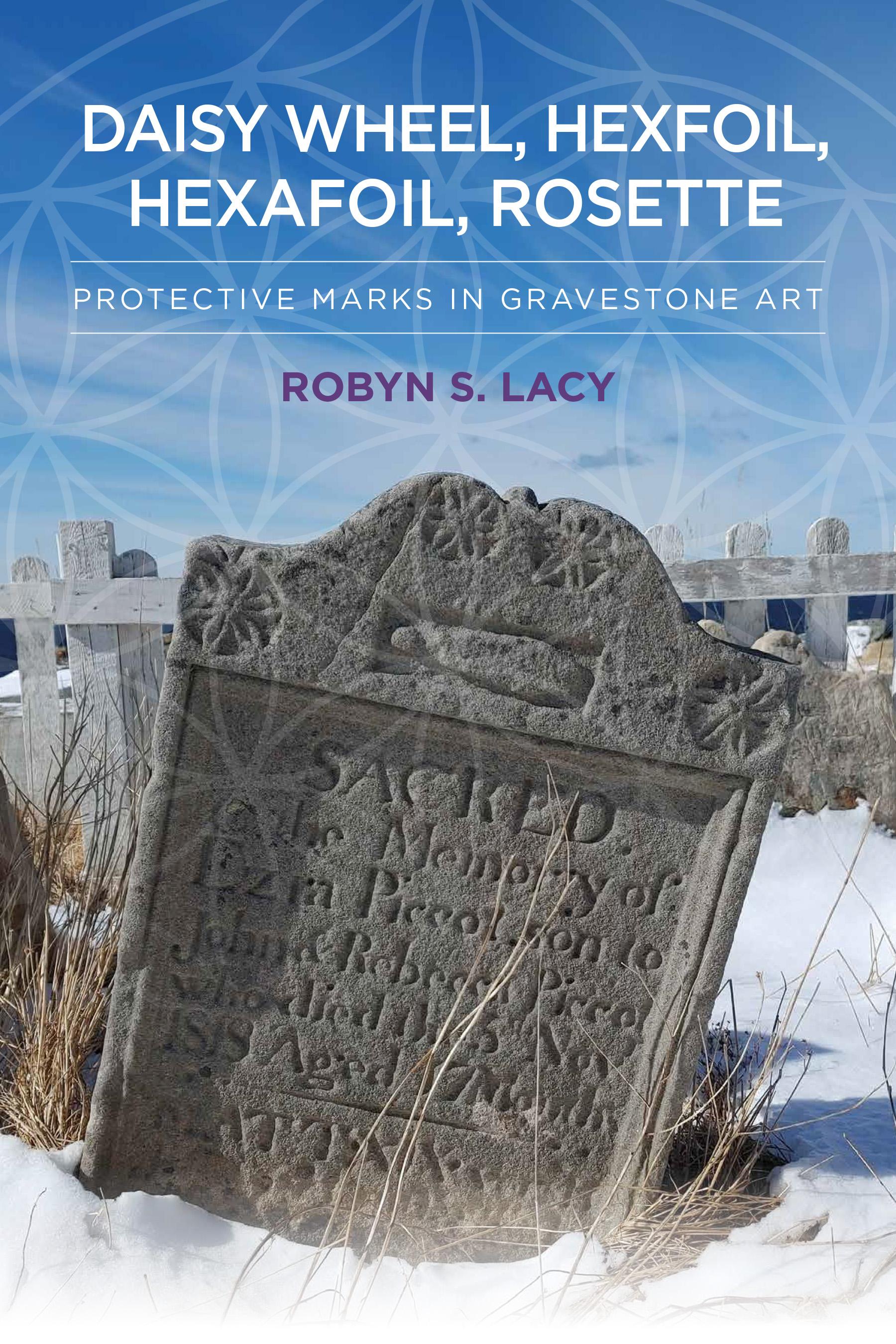
The use of protective symbols, also known as apotropaic marks, are often part of folk magic traditions, appearing in homes, churches, on personal items, and even graves, across Europe, Australia, and North America. The most common and well-known of these marks is the hexfoil, otherwise known as the daisy wheel, witch hex, or rosette. Hexfoils have a history of use for personal protection and were carved both intentionally or graffitied into church pews and walls, bed frames, doors, and gravestones. This research sheds light on the use of this historic symbol to protect the bodies and souls of the deceased, across several thousand years and multiple countries.
Pay easily by card, Klarna, Apple Pay or Google Pay. Not happy? You always have a 14-day money-back guarantee. Read more in our terms. If you have any questions, email us at hello@memmo.org.
Memmo makes studying easier – wherever you are in the world. We bring your course books and smart study tools together in one place: summaries, quizzes, podcasts and flashcards. Plus Ted, your study buddy who answers anything you wonder. Over 75,000 students already study here – built to help you learn faster and stress less.