
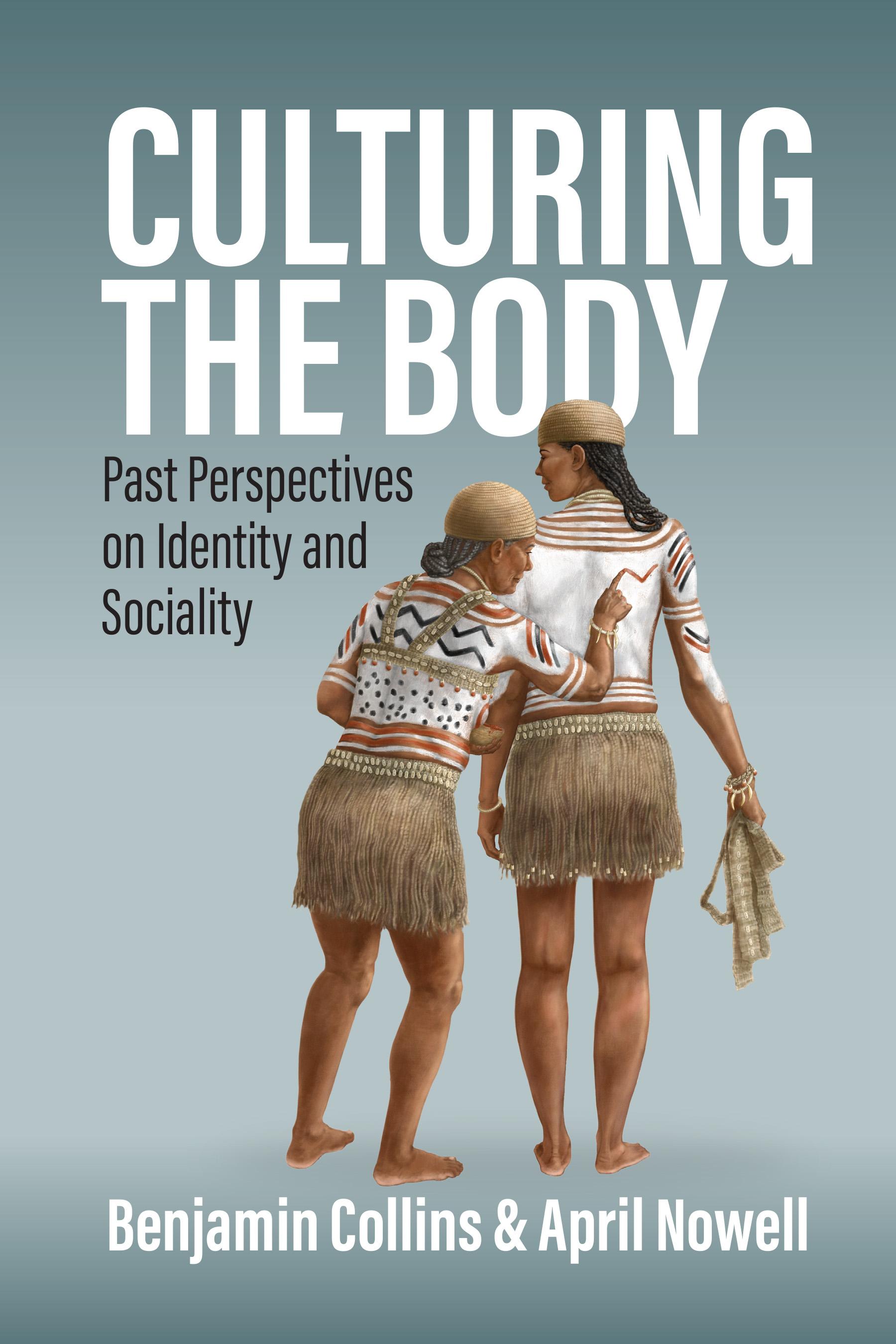
The human body is both the site of lived experiences and a means of communicating those experiences to a diverse audience. Hominins have been culturing their bodies, that is adding social and cultural meaning through the use pigments and objects, for over 100,000 years. There is archaeological evidence for practices of adornment of the body by late Pleistocene and early Holocene hominins, including personal ornaments, clothing, hairstyles, body painting, and tattoos. These practices have been variously interpreted to reflect differences such as gender, status, and ethnicity, to attract or intimidate others, and as indices of a symbolically mediated self and personal identity. These studies contribute to a novel and growing body of evidence for diversity of cultural expression in the past, something that is a hallmark of human cultures today.
Pay easily by card, Klarna, Apple Pay or Google Pay. Not happy? You always have a 14-day money-back guarantee. Read more in our terms. If you have any questions, email us at hello@memmo.org.
Memmo makes studying easier – wherever you are in the world. We bring your course books and smart study tools together in one place: summaries, quizzes, podcasts and flashcards. Plus Ted, your study buddy who answers anything you wonder. Over 75,000 students already study here – built to help you learn faster and stress less.