
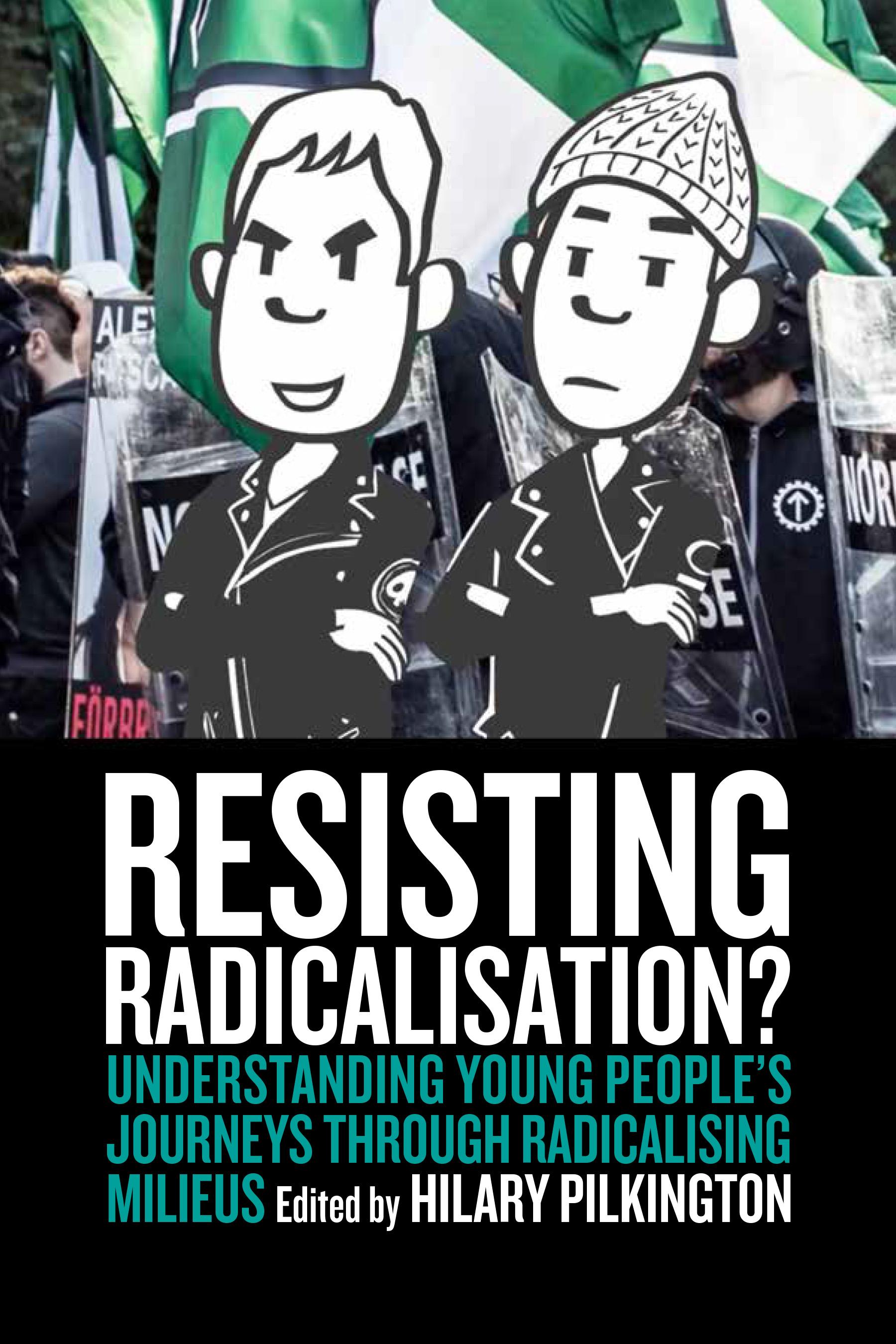
This landmark volume of extensive empirical research conducted across Europe explains how, and why, young people become engaged in radical(ising) milieus but also resist radicalisation into violent extremism.
Offering a critical perspective on the concept of radicalisation, this volume views it from the perspective of social actors who engage in radicalising milieus but for the most part have not crossed the threshold into violent extremism. It brings together contributions conducted as part of a cross-European (including France, Germany, the Netherlands, Greece, Russia, Turkey, the UK, and beyond) study of young people's engagement in ‘extreme right’ and ‘Islamist’ milieus.
It argues that radicalisation is best understood as a relational concept reflecting a social process rooted in relational inequalities but also shaped by interactional and situational dynamics, which not only facilitate but also constrain radicalisation.
Pay easily by card, Klarna, Apple Pay or Google Pay. Not happy? You always have a 14-day money-back guarantee. Read more in our terms. If you have any questions, email us at hello@memmo.org.
Memmo makes studying easier – wherever you are in the world. We bring your course books and smart study tools together in one place: summaries, quizzes, podcasts and flashcards. Plus Ted, your study buddy who answers anything you wonder. Over 50,000 students already study here – built to help you learn faster and stress less.