
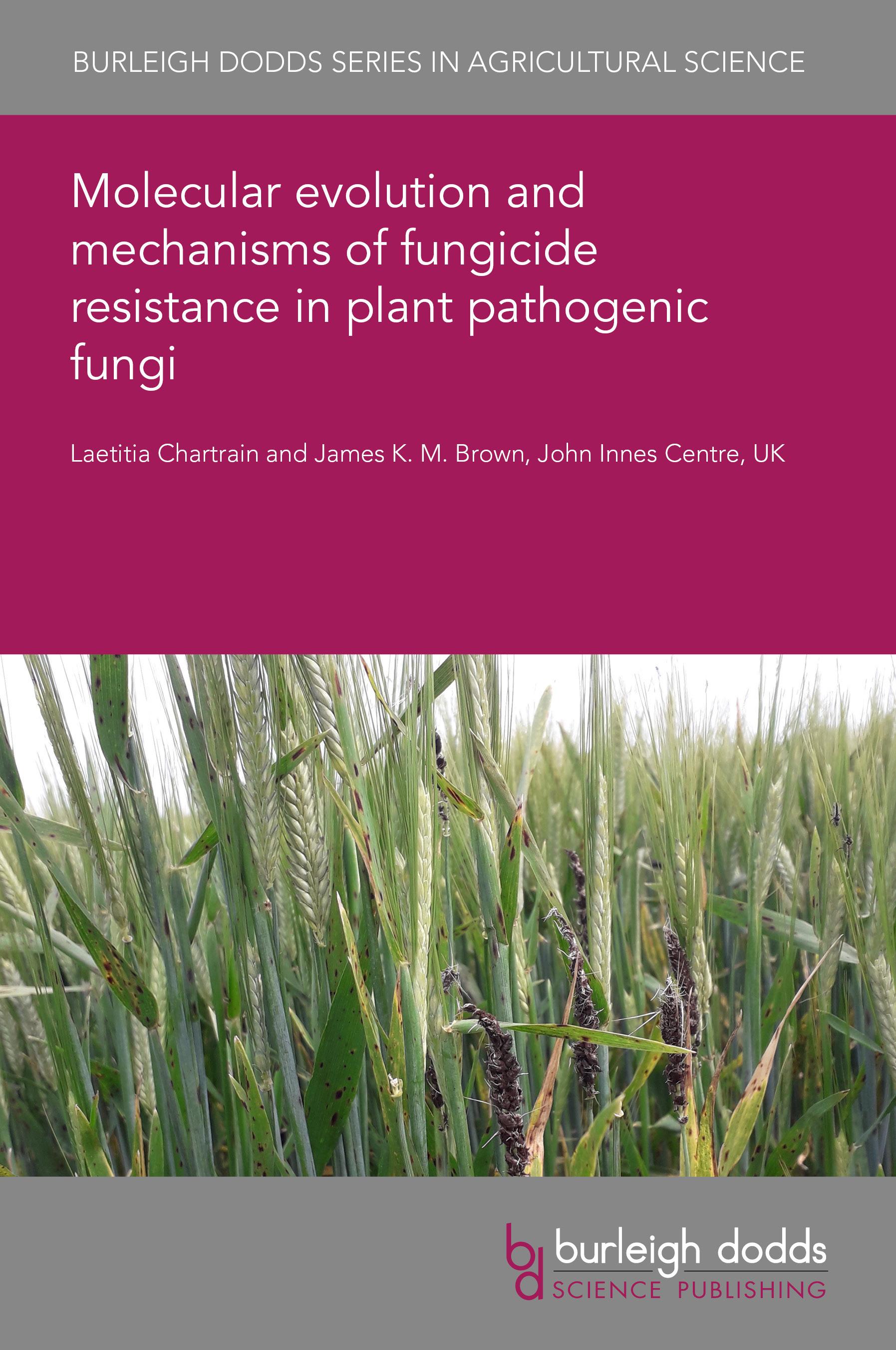
Since the introduction in the late 1960s of systemic fungicides with modes of action involving inhibition of single target sites, resistance to many of these products has evolved in populations of fungal pathogens. Many important pathogens have developed reduced sensitivity to many of the major classes of systemic fungicide used in agriculture and horticulture. This chapter reviews mechanisms of resistance to the most widely-used, broad-spectrum groups of fungicide over the last 50 years, including methyl benzimidazole carbamate (MBC) fungicides, azoles, amines including morpholines and piperidines, succinate dehydrogenase inhibitors (SDHI) and quinone-outside inhibitors (QoI, often known as strobilurins). For each class of fungicide we will discuss the fungal target and explore how resistance operates at the gene and protein level. We focus on powdery mildews as an example because they are one of the major fungal groups against which systemic fungicides are applied, and because they are notorious for the speed at which they have evolved resistance to most of the major classes of fungicide.
Pay easily by card, Klarna, Apple Pay or Google Pay. Not happy? You always have a 14-day money-back guarantee. Read more in our terms. If you have any questions, email us at hello@memmo.org.
Memmo makes studying easier – wherever you are in the world. We bring your course books and smart study tools together in one place: summaries, quizzes, podcasts and flashcards. Plus Ted, your study buddy who answers anything you wonder. Over 50,000 students already study here – built to help you learn faster and stress less.