
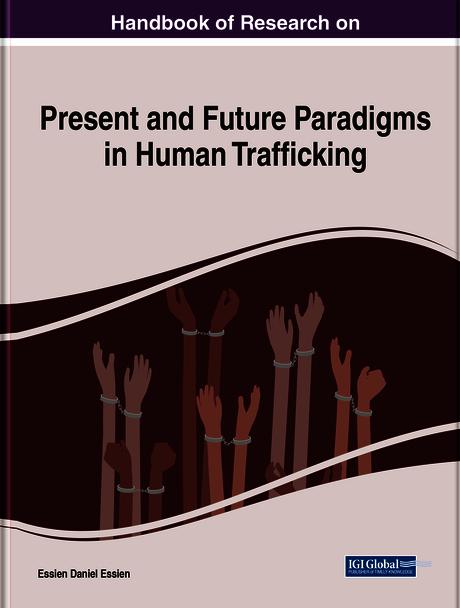
Human trafficking is currently regarded as a contemporary form of slavery. However, despite many initiatives undertaken over the last two decades to tackle the problem, there seems to be a disproportionate emphasis on the social phenomenon. Trafficking in persons remains a little-explored area in scholarship with many inconsistencies and ambiguities yet to be attended to. Human trafficking is a multifaceted issue that requires a multidisciplinary approach that must be studied and considered thoroughly and with heavy regard to the many layers of the issue. The Handbook of Research on Present and Future Paradigms in Human Trafficking presents a comprehensible view of what constitutes the underpinning of human trafficking, the means of combating it, its moral implications, and offers possible solutions toward curbing its excesses, inconsistencies, and ambiguities. Covering a range of topics such as social change, human rights, and ethics, this major reference work is ideal for researchers, scholars, practitioners, government officials, policymakers, instructors, academicians, and students.
Pay easily by card, Klarna, Apple Pay or Google Pay. Not happy? You always have a 14-day money-back guarantee. Read more in our terms. If you have any questions, email us at hello@memmo.org.
Memmo makes studying easier – wherever you are in the world. We bring your course books and smart study tools together in one place: summaries, quizzes, podcasts and flashcards. Plus Ted, your study buddy who answers anything you wonder. Over 50,000 students already study here – built to help you learn faster and stress less.
You might also like
Buy the book0