
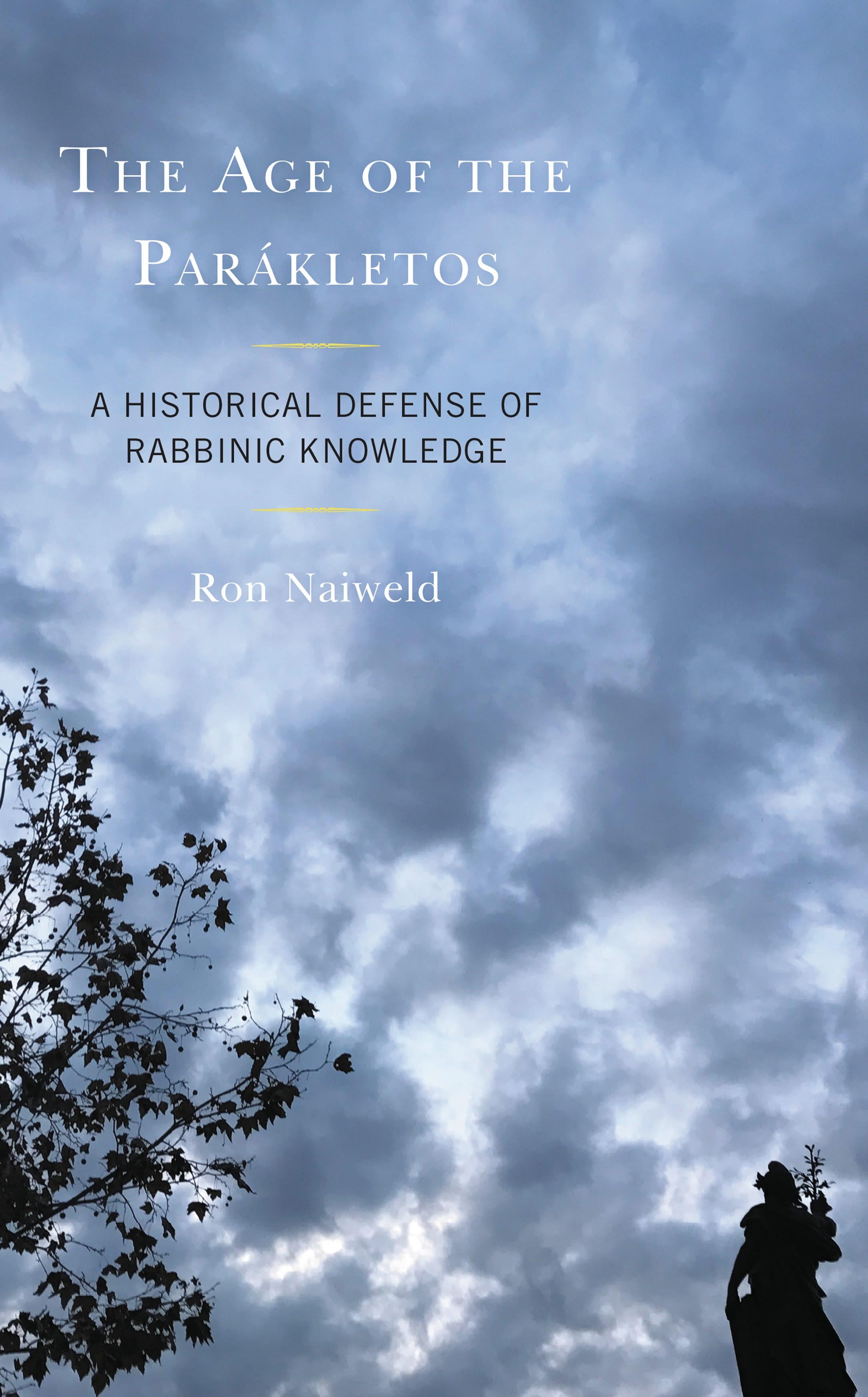
This book concerns the history of the Bible, Christianity, Rabbinic Judaism, and theological-political thought in the West. Its operation is threefold. First, it shows that the biblical text can be read as a theological-political narrative about a god who strives to be recognized as such by a group of people. Second, it reconstructs the history of the conversation that took place around this narrative from the fourth century BCE to the beginning of the Middle Ages, showing how it was dependent on social and political circumstances, rather than on theological notions. Lastly, it distinguishes between two strands of the conversation—the Christian and the Rabbinic—that carried the narrative through the Middle Ages and explains why the latter offered a more advanced interface with the political reality than the former. This book introduces a reading of the biblical narrative that takes seriously the difference between the two creation stories that begin the Book of Genesis and considers them as referring to two distinct divinities. This reading reveals in the Bible an overarching narrative about the god Yhwh, who tries to impose himself as the sovereign of Israel by claiming that he is the same god as Elohim—the benevolent creator of the perfect world.
Pay easily by card, Klarna, Apple Pay or Google Pay. Not happy? You always have a 14-day money-back guarantee. Read more in our terms. If you have any questions, email us at hello@memmo.org.
Memmo makes studying easier – wherever you are in the world. We bring your course books and smart study tools together in one place: summaries, quizzes, podcasts and flashcards. Plus Ted, your study buddy who answers anything you wonder. Over 50,000 students already study here – built to help you learn faster and stress less.