
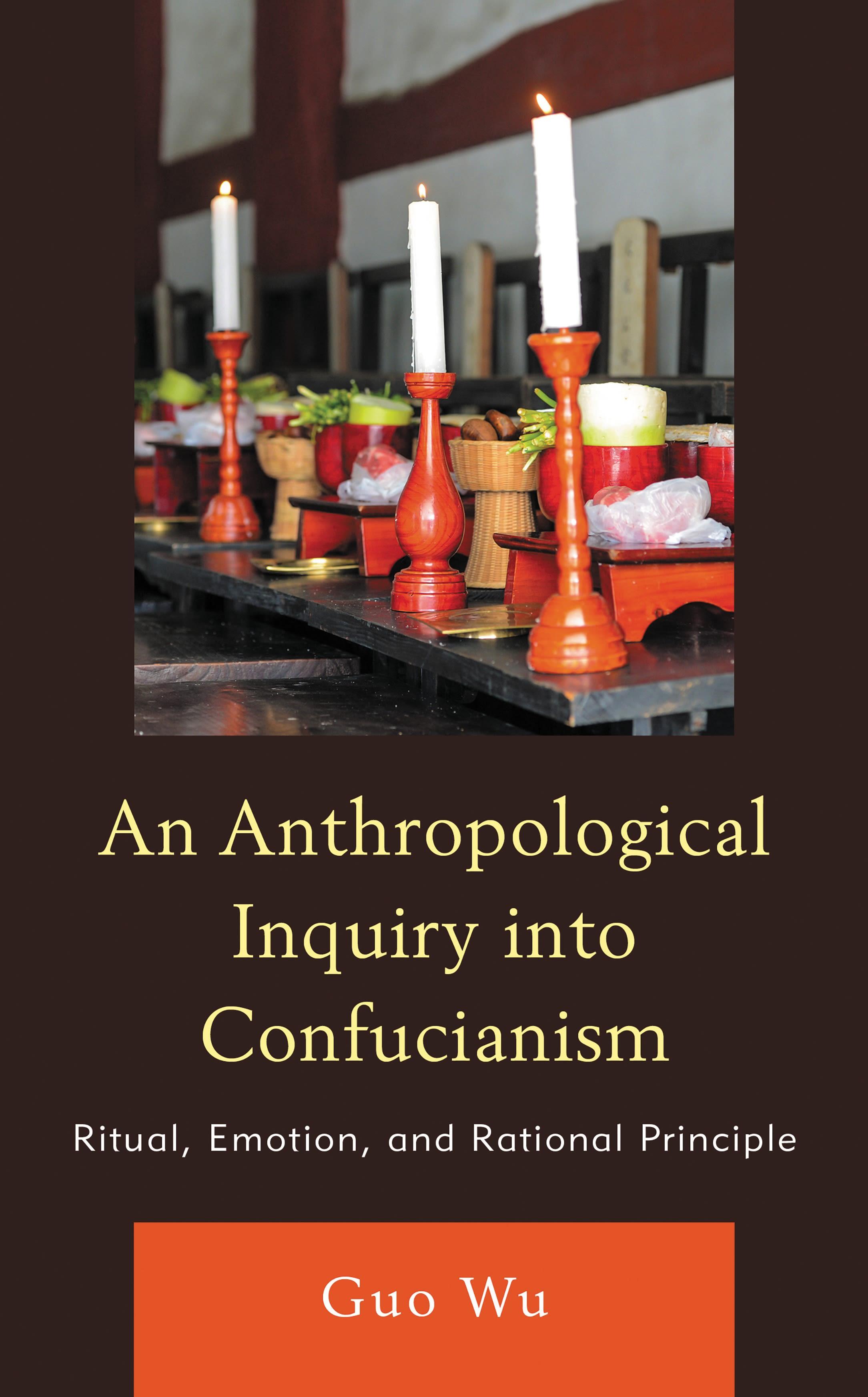
An Anthropological Inquiry into Confucianism provides a chronological, historicized reappraisal of Confucianism as a belief system and a way of life that revolves around three key concepts: ritual (Li), emotion (qing), and rational principle (li). Instead of examining all pertinent concepts of Confucianism, the book focuses on how Confucian thinkers grappled with these three words and tried to balance them throughout multiple dynasties and by polemics an practice performing rites in daily life. Informed by the theory and perspectives of anthropology, Guo Wu revisits the origin of Confucianism and treats it as part of the legacy of pre-textual worshipping and funerary rites which are incorporated, recorded, and interpreted by Confucians. An anthropological angle continues to flesh out the extant Confucian classics by reinterpreting the parts concerning the human-human, human-animal, and human-sacred objects relations. Modern anthropological studies are referenced to showed how Confucian ritualism permeated to the lifeworld of Chinese villages since the Song dynasty and revived in Ming-Qing dynasties along with a resurgent interest in the expression of human emotions, which had an inherent tension with (Heavenly) rational principle. The book concludes that the Confucian balancing of the triad continues into the 21st century along with its revival in China.
Pay easily by card, Klarna, Apple Pay or Google Pay. Not happy? You always have a 14-day money-back guarantee. Read more in our terms. If you have any questions, email us at hello@memmo.org.
Memmo makes studying easier – wherever you are in the world. We bring your course books and smart study tools together in one place: summaries, quizzes, podcasts and flashcards. Plus Ted, your study buddy who answers anything you wonder. Over 50,000 students already study here – built to help you learn faster and stress less.