
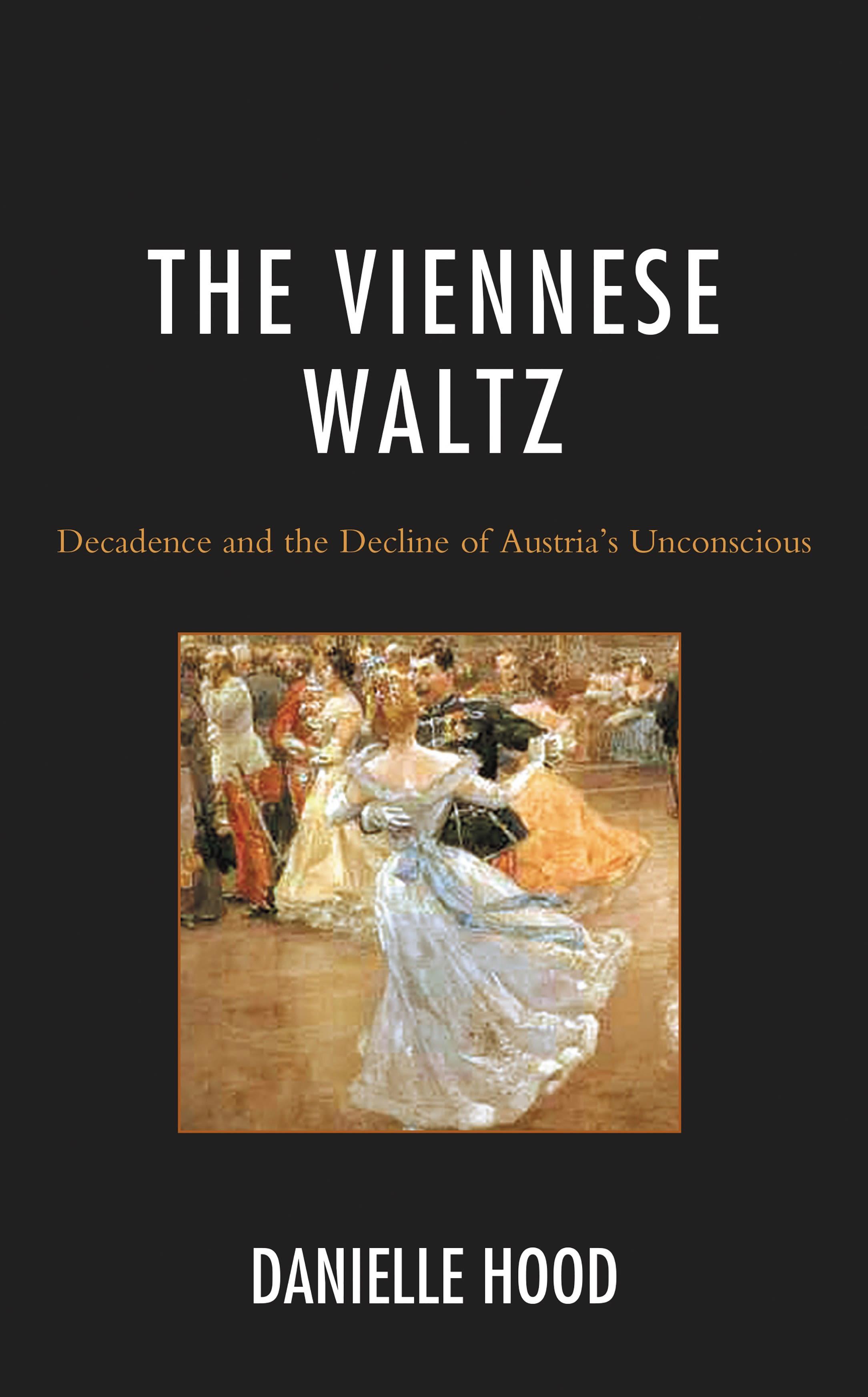
Satiricized by Strauss II to highlight the deceptive aristocratic class, under Schoenberg, Mahler, and Webern’s pens the waltz became the pivot between the conscious and unconscious, forcing a paralytic “second state” analogous with the stagnation of the Habsburg Empire. The Viennese Waltz shows how, between 1864 – 1928, the waltz altered from signifier of upper-class artificeto the link between man and nature and between Viennese and “Other.” Hood wields the Freudian concepts of the uncanny and the doppelgänger to explain this revolution from the simple signification of a dance to the psychological anxiety of a subject’s place in society.
Pay easily by card, Klarna, Apple Pay or Google Pay. Not happy? You always have a 14-day money-back guarantee. Read more in our terms. If you have any questions, email us at hello@memmo.org.
Memmo makes studying easier – wherever you are in the world. We bring your course books and smart study tools together in one place: summaries, quizzes, podcasts and flashcards. Plus Ted, your study buddy who answers anything you wonder. Over 75,000 students already study here – built to help you learn faster and stress less.