
Countless stories about the Liberty Lines (the Underground Railroad) have been written. Still, few ever mention the African abolitionists who established the Liberty Lines and managed the passage of thousands of self-emancipating Africans safely to freedom in the early 1800s.
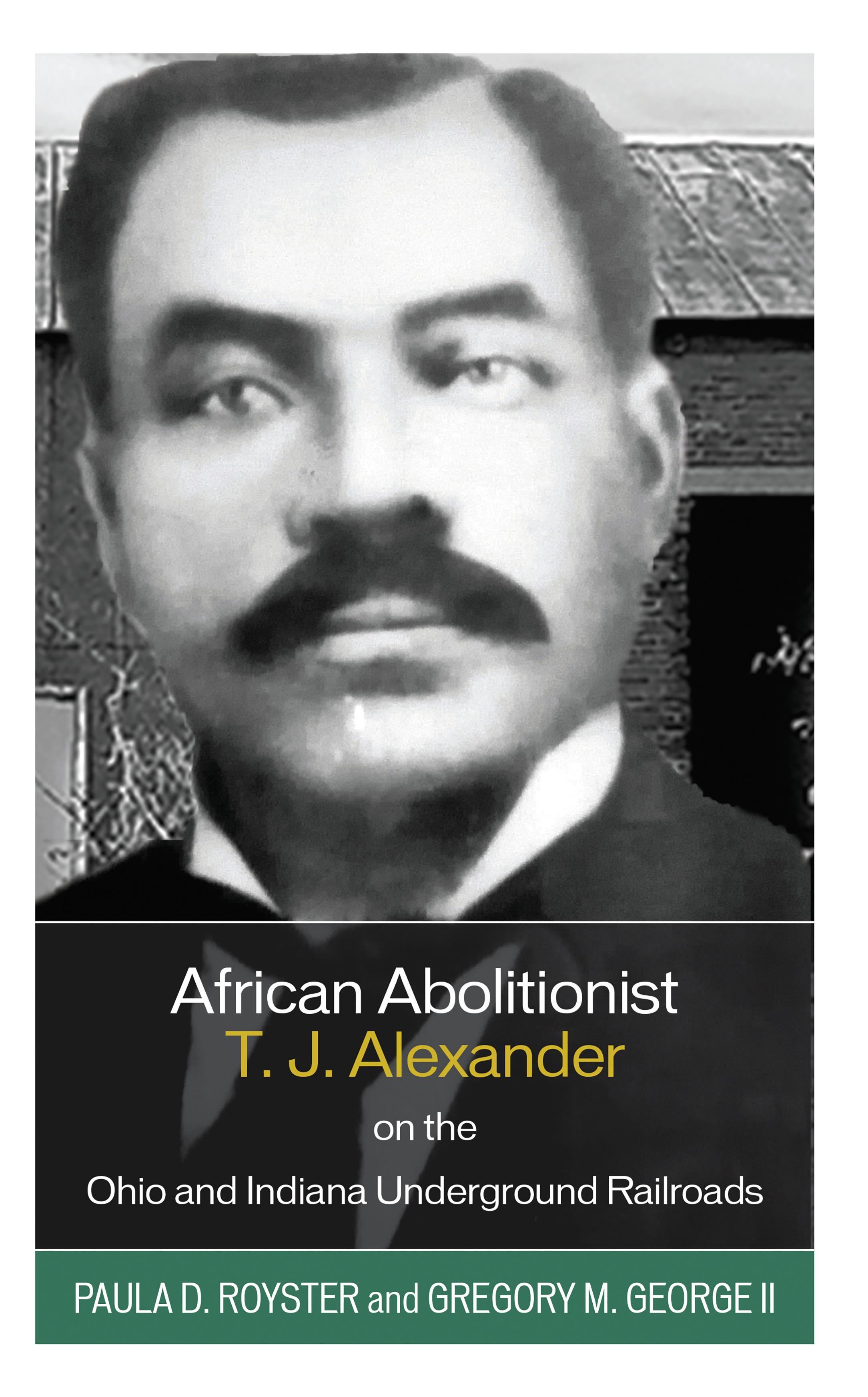
Thornton J. Alexander was an African abolitionist who used the power of his freedom to liberate the physical and intellectual constraints placed on African people in colonial America. His inspirational story transcends the sufferings of bondage. His lifetime of risks guaranteed the promises of liberty for anyone who reached his land. He knew “Eliza Harris” (Uncle Tom’s Cabin) because she made her escape to freedom from his property in Indiana. He allowed Bishop Paul Quinn to establish an AME church behind his family cemetery. In 1845, he donated land to construct the first private black college in the U.S. called Union Literary Institute (ULI). The first African American U.S. Senator, Hiram Revels, and his brother Willis were both educated at ULI, as was Rev. John G. Mitchell, a co-founder of Wilberforce University.
No longer hidden in the oppressive shadows of American abolitionists, Thornton Alexander’s story of resistance, rebellion and success has finally been reclaimed from the clutches of invisibility.
Thornton J. Alexander was an African abolitionist who used the power of his freedom to liberate the physical and intellectual constraints placed on African people in colonial America. His inspirational story transcends the sufferings of bondage. His lifetime of risks guaranteed the promises of liberty for anyone who reached his land. He knew “Eliza Harris” (Uncle Tom’s Cabin) because she made her escape to freedom from his property in Indiana. He allowed Bishop Paul Quinn to establish an AME church behind his family cemetery. In 1845, he donated land to construct the first private black college in the U.S. called Union Literary Institute (ULI). The first African American U.S. Senator, Hiram Revels, and his brother Willis were both educated at ULI, as was Rev. John G. Mitchell, a co-founder of Wilberforce University.
No longer hidden in the oppressive shadows of American abolitionists, Thornton Alexander’s story of resistance, rebellion and success has finally been reclaimed from the clutches of invisibility.
Pay easily by card, Klarna, Apple Pay or Google Pay. Not happy? You always have a 14-day money-back guarantee. Read more in our terms. If you have any questions, email us at hello@memmo.org.
Memmo makes studying easier – wherever you are in the world. We bring your course books and smart study tools together in one place: summaries, quizzes, podcasts and flashcards. Plus Ted, your study buddy who answers anything you wonder. Over 50,000 students already study here – built to help you learn faster and stress less.