
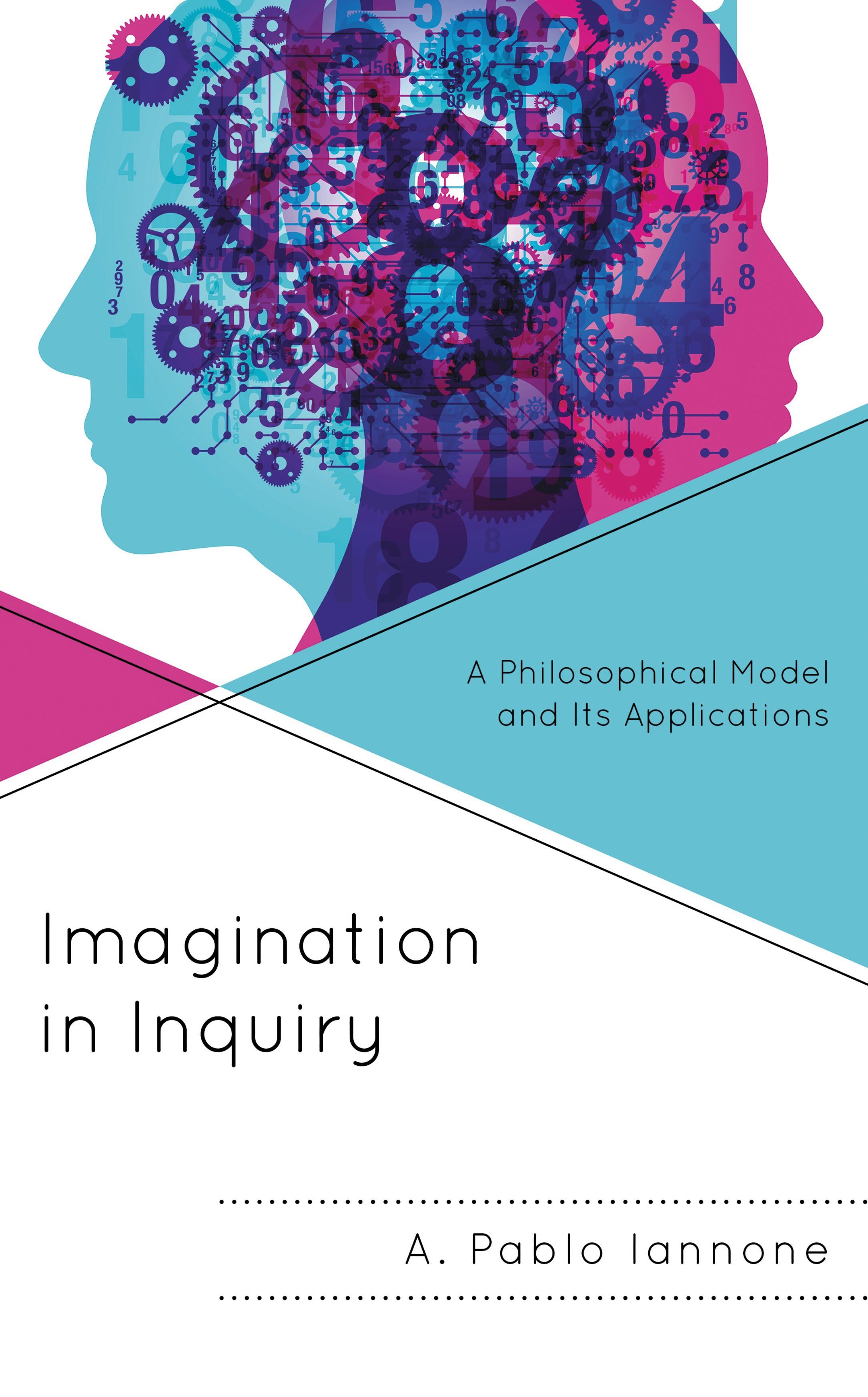
Imagination in Inquiry: A Philosophical Model and Its Applications investigates the nature, kinds, component elements, functions, scope, and uses of the imagination involved in inquiry. It further discusses how these kinds and functions vary and interact depending on the context of inquiries carried out in philosophy and its branches—from the philosophy of science and the philosophy of technology to ethics, sociopolitical philosophy, and aesthetics—and institutions like science, technology, art, and education. Using a homeostatic model, A. Pablo Iannone advances a conception of the imagination as a disposition to search for answers to various types of problems, abstract or concrete, theoretical or practical faced in inquiry. The book treats this as a working characterization, though it develops progressively clearer, more precise, and less ambiguous meanings. All along, the primary concern of the author—as well as of contributors Alejandra Iannone and Rocci Luppicini—is with the moral, aesthetic, logical, communicative, scientific, technological, artistic, literary, and philosophical uses and roles of the imagination. The book’s primary focus is not just on such things as the capacity to generate mental images, but especially on the ability to discover and create, anticipate and envision, entertain and manage.
Pay easily by card, Klarna, Apple Pay or Google Pay. Not happy? You always have a 14-day money-back guarantee. Read more in our terms. If you have any questions, email us at hello@memmo.org.
Memmo makes studying easier – wherever you are in the world. We bring your course books and smart study tools together in one place: summaries, quizzes, podcasts and flashcards. Plus Ted, your study buddy who answers anything you wonder. Over 50,000 students already study here – built to help you learn faster and stress less.