
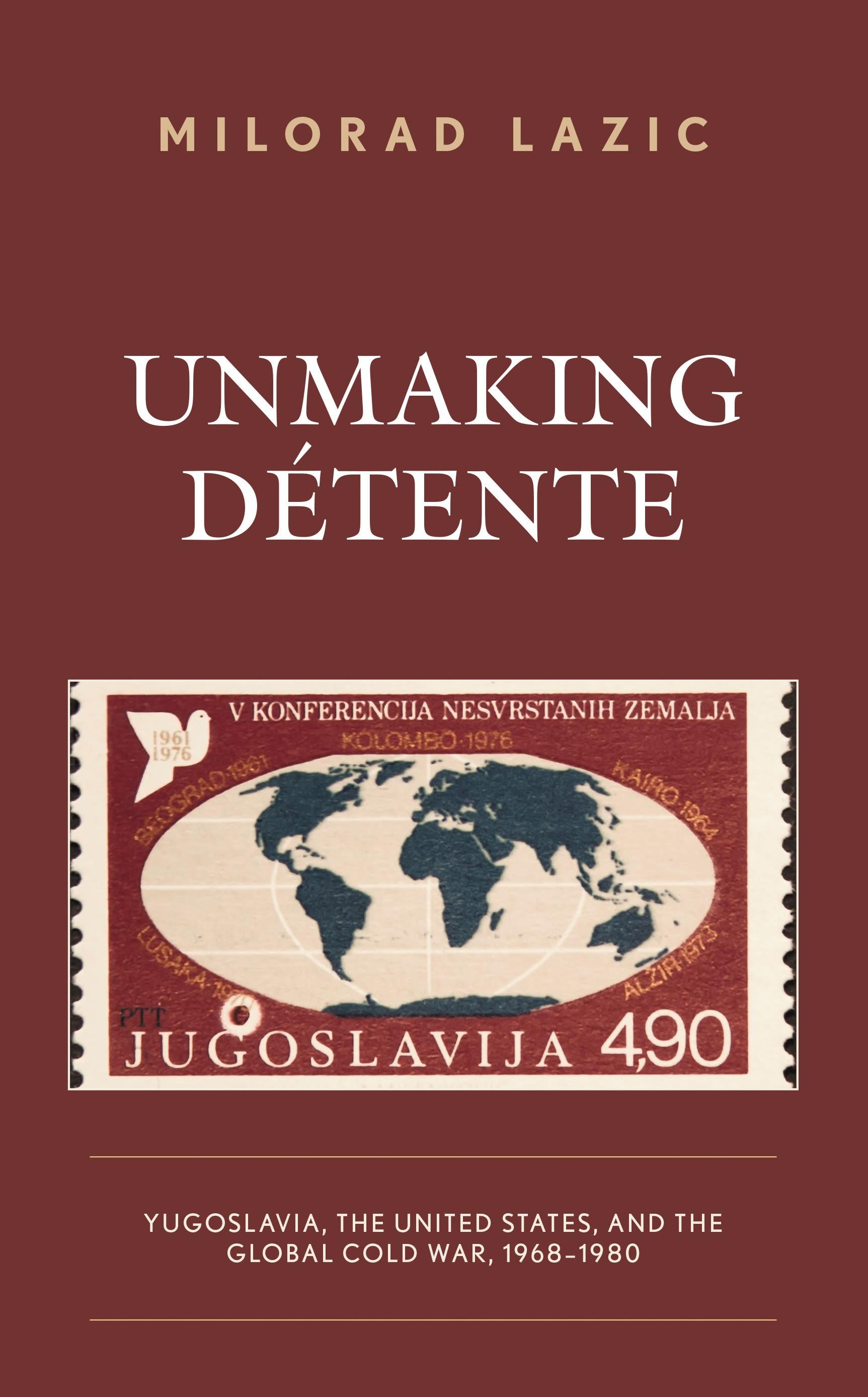
This book examines the global history of the Cold War in the 1970s through the perspective of Yugoslavia's activism in the Global South and its relations with the superpowers. The author shows that Yugoslavia’s anxiety over a “new Yalta” required a disruptive role toward détente, which it saw as the superpowers’ attempt to divide the spheres of influence. Yugoslavia’s global activism in the 1970s reflected not only its desire to undermine alleged superpowers’ agreements but also its desire to promote the Yugoslav revolutionary model as a distinctive form of political, social, and economic organization. The author traces the complex interactions between Yugoslavia and the world but also investigates the limitations of Yugoslavia's global activism. Drawing on a novel and wide source base from the archives in the former Yugoslavia, the United States, and Great Britain, the book shows the web of opportunities, problems, and challenges that détente and the Cold War in the 1970s offered to and imposed on a small state in the Balkans.
Pay easily by card, Klarna, Apple Pay or Google Pay. Not happy? You always have a 14-day money-back guarantee. Read more in our terms. If you have any questions, email us at hello@memmo.org.
Memmo makes studying easier – wherever you are in the world. We bring your course books and smart study tools together in one place: summaries, quizzes, podcasts and flashcards. Plus Ted, your study buddy who answers anything you wonder. Over 50,000 students already study here – built to help you learn faster and stress less.