
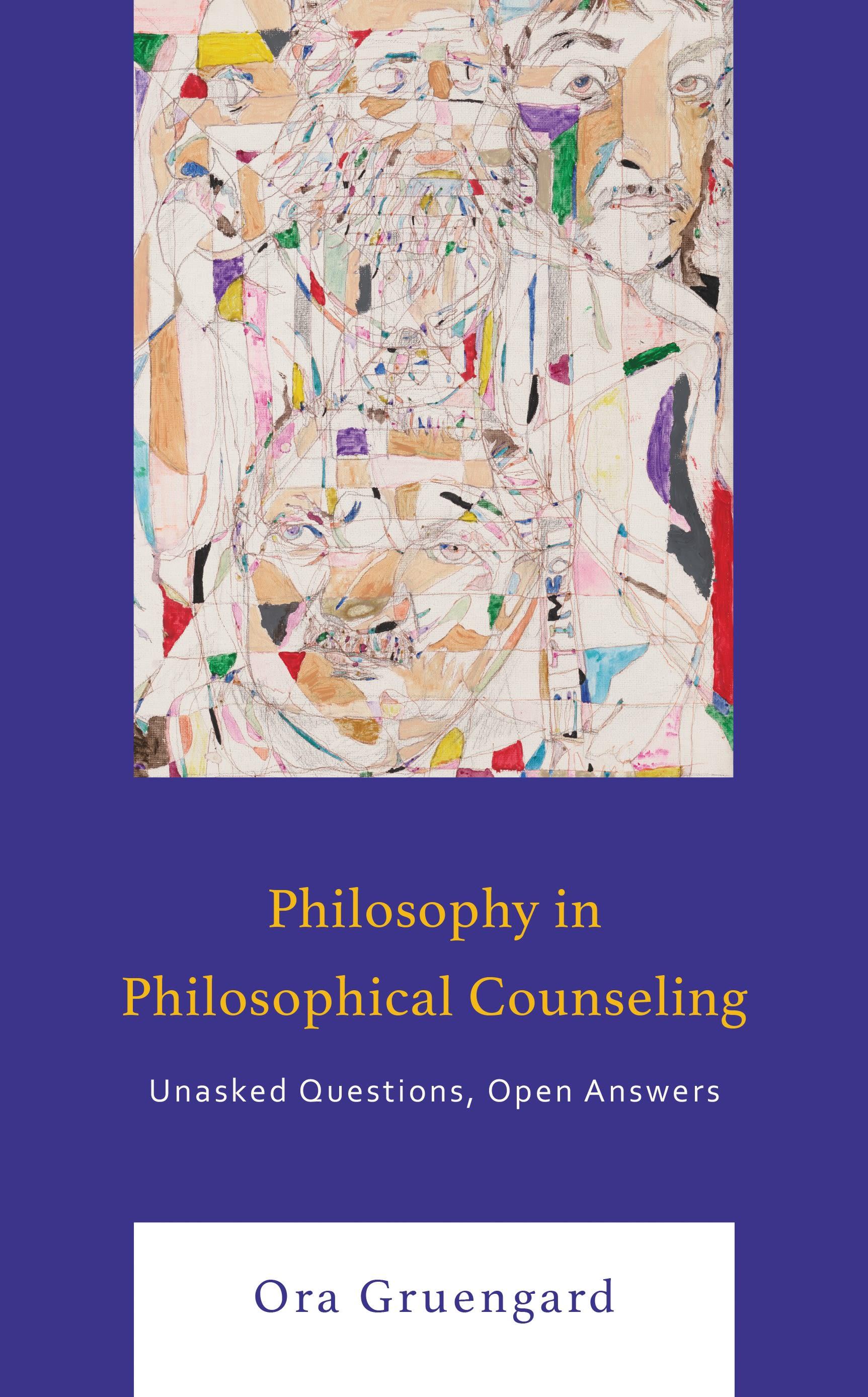
Philosophy in Philosophical Counseling: Unasked Questions, Open Answers offers a base for criticizing approaches to philosophical counseling that fail to be philosophical or relevant to the counselees' concerns. It analyses the impact of tacit, unexamined, philosophical assumptions and examines their influence on the search for solutions, while explaining how such assumptions may obstruct that search. Ora Gruengard argues that conversations in which the participants disagree with each other are the adequate context for calling tacit assumptions into question and exploring alternatives. Her research shows how philosophical assumptions change in informal conversations and illuminates their important role in education, religious guidance, and psychological treatments. Nevertheless, philosophical issues are best dealt with in explicit philosophical dialogues in which counselees are respected as philosophical partners who are encouraged to think critically and make their own judgments. This book addresses counselors' dilemmas by presenting examples of hypothetical counseling conversations and true sessions with real people. Gruengard also discusses what kind of philosophical knowledge and expertise is necessary for doing the job adequately.
Pay easily by card, Klarna, Apple Pay or Google Pay. Not happy? You always have a 14-day money-back guarantee. Read more in our terms. If you have any questions, email us at hello@memmo.org.
Memmo makes studying easier – wherever you are in the world. We bring your course books and smart study tools together in one place: summaries, quizzes, podcasts and flashcards. Plus Ted, your study buddy who answers anything you wonder. Over 50,000 students already study here – built to help you learn faster and stress less.