
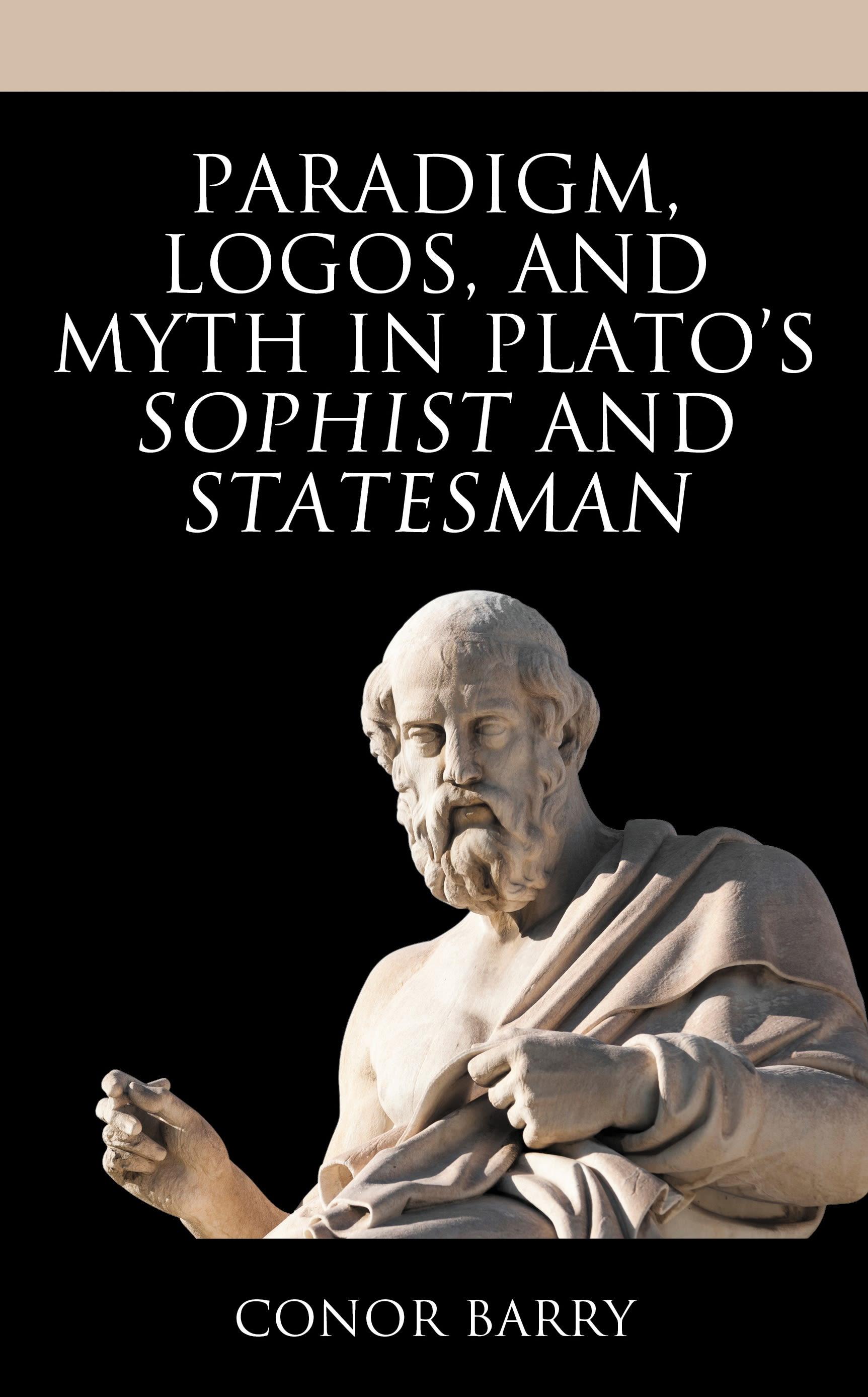
In a sustained study of the Sophist and Statesman, this book explores the use of paradigm, logos, and myth. Plato introduces in these dialogues the term “paradigm” to signify an image or model that can be used to yield insight into higher, ethical realities that are themselves beyond direct visual portrayal. He employs the term to signify an inductive example that can be defined. Finally, Plato shows how to rework existing narrative and myth to an ethically appropriate end. Since this exercise in the Statesman is described as training in dialectic, in Paradigm, Logos, and Myth in Plato's Sophist and Statesman Conor Barry demonstrates how these later works expand the compass of dialectic beyond narrow conceptions that restrict the scope of dialectic to the use of logical techniques. Rather, dialectic is the practice of dialogue as portrayed in the Platonic dialogues, which can involve appeal to analogies and figurative expressions in the search for an understanding of the ethical good. Plato’s dialogues, as works of literary art, aim to lead people to seek such understanding. Nevertheless, insofar as the dialogues are themselves artistic productions, they must also be objects of critical scrutiny and questioning.
Pay easily by card, Klarna, Apple Pay or Google Pay. Not happy? You always have a 14-day money-back guarantee. Read more in our terms. If you have any questions, email us at hello@memmo.org.
Memmo makes studying easier – wherever you are in the world. We bring your course books and smart study tools together in one place: summaries, quizzes, podcasts and flashcards. Plus Ted, your study buddy who answers anything you wonder. Over 50,000 students already study here – built to help you learn faster and stress less.