
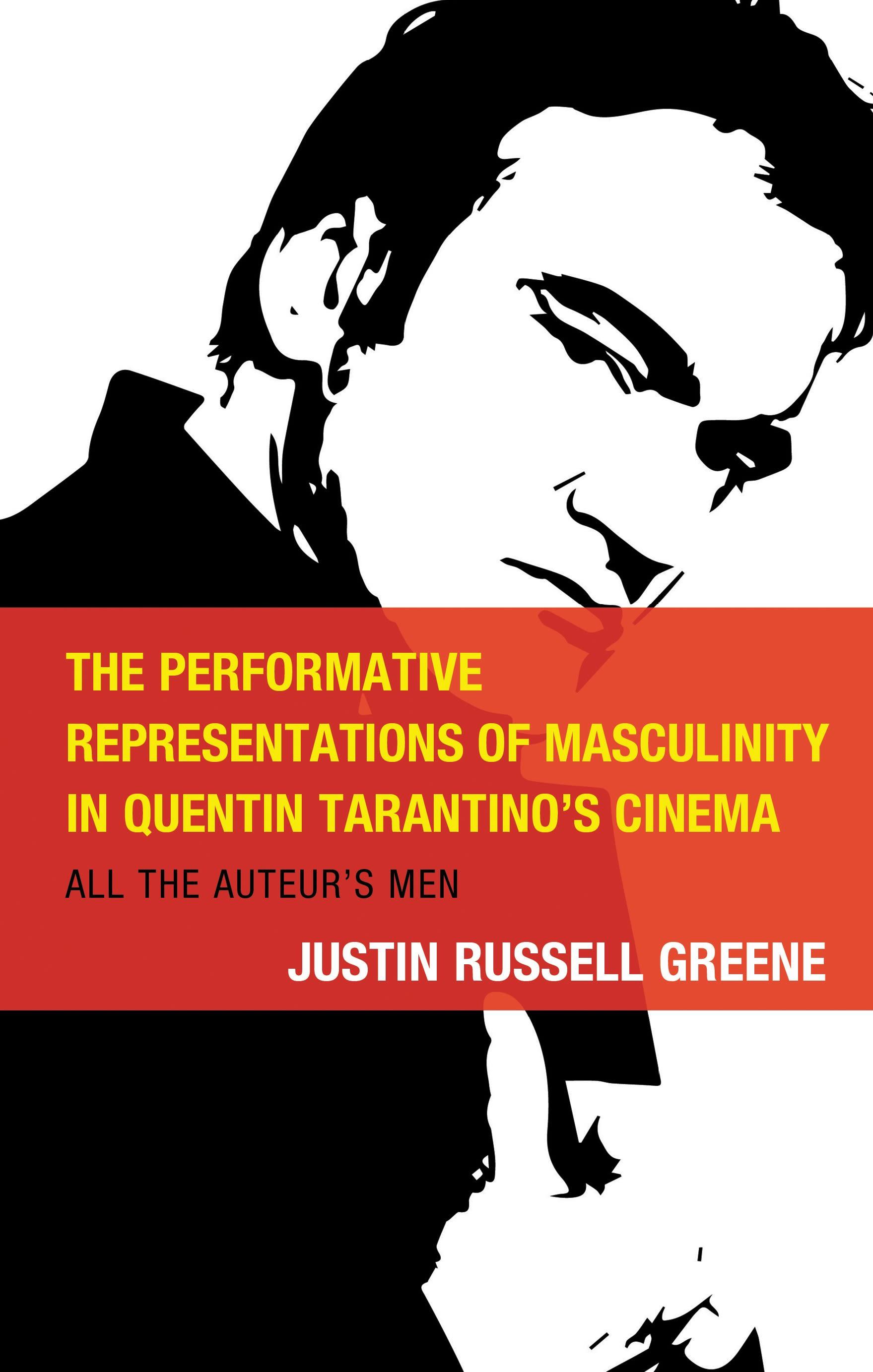
In this book, Justin Russell Greene examines how Quentin Tarantino uses his auteur identity to further cement the masculine tropes of Hollywood – and ultimately, society – through language, visual aesthetics, and performative representations of masculinity in his films and media appearances. Greene posits that the careful crafting of his auteur persona allows Tarantino to project a consistent version of what it means to be a writer-director-artist, and that through his interview and speeches, he reveals the deeper intensions behind the representations his characters present in his films. However, although he is valorized by audiences, media personalities, and peers as an artistic genius, Tarantino traffics in many of the systemic issues embedded within the United States’ socio-cultural environment. Greene argues that although Tarantino promotes a political vision in his films and public appearances that illuminates the restrictions of hegemonic masculinity, this is not sufficiently effective at truly disrupting entrenched ideologies about masculinity in U.S. culture due to how Tarantino hides his critical takes within genre stereotypes. Scholars of film studies, gender studies, and popular culture will find this book of particular interest.
Pay easily by card, Klarna, Apple Pay or Google Pay. Not happy? You always have a 14-day money-back guarantee. Read more in our terms. If you have any questions, email us at hello@memmo.org.
Memmo makes studying easier – wherever you are in the world. We bring your course books and smart study tools together in one place: summaries, quizzes, podcasts and flashcards. Plus Ted, your study buddy who answers anything you wonder. Over 50,000 students already study here – built to help you learn faster and stress less.