
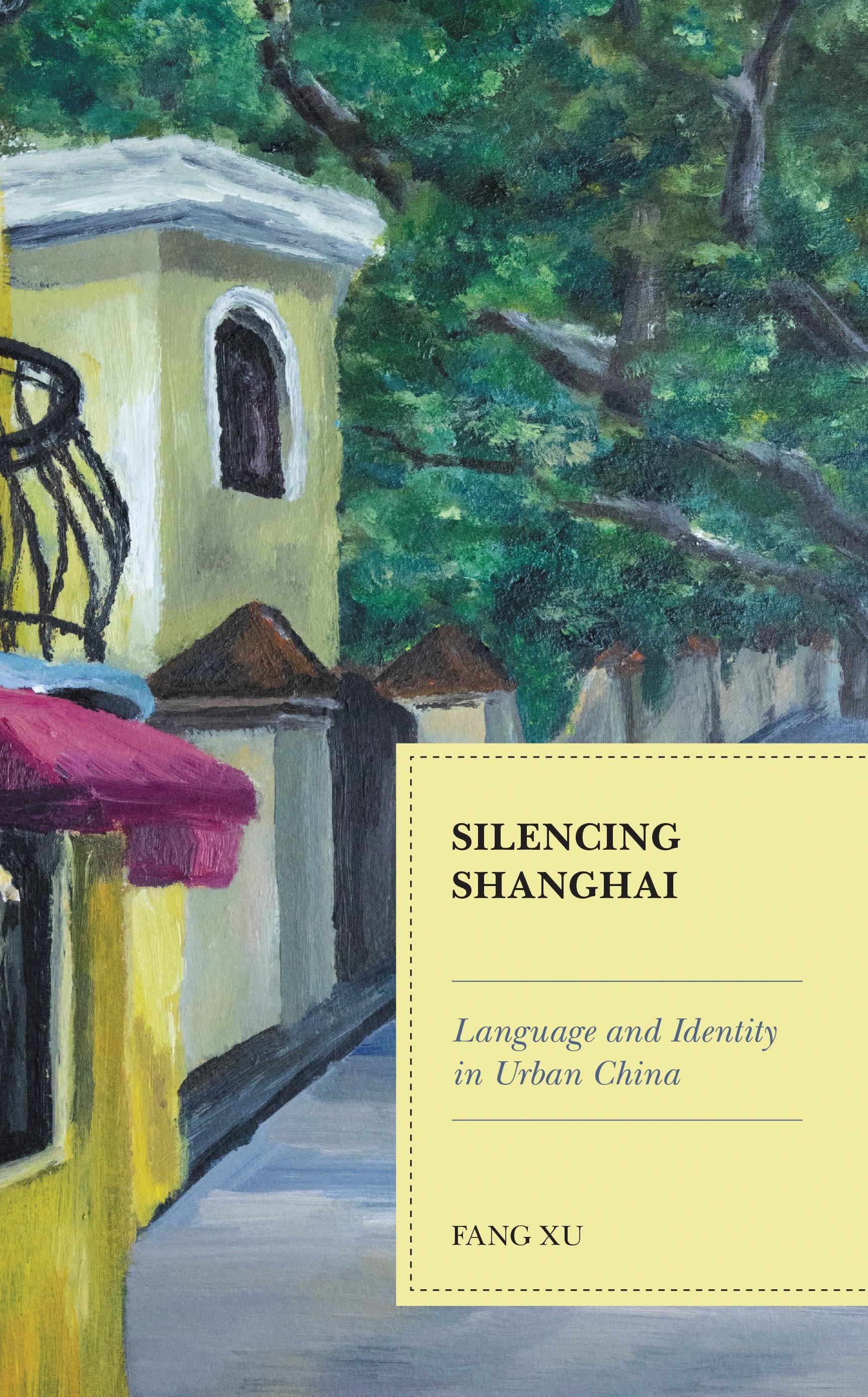
Silencing Shanghai investigates the paradoxical and counterintuitive contrast between Shanghai’s emergence as a global city and the marginalization of its native population, captured through the rapid decline of the distinctive Shanghai dialect. From this unique vantage point, Fang Xu tells a story of power relations in a cosmopolitan metropolis closely monitored and shaped by an authoritarian state through policies affecting urban redevelopment, internal migration, and language. These state policies favor the rich, the resourceful, and the highly educated, while alienate the poorer and less educated Shanghainese geographically and linguistically. When the state vigorously promotes Mandarin Chinese through legal and administrative means, Shanghainese made the conscious yet reluctant choice of shifting from the dialect to the national language. At the same time, millions of migrants have little incentive to adopt the vernacular given that their relation to the state has already firmly established their legal, financial, and social standing in the city. The recent shift in the urban linguistic scene that silences the Shanghai dialect is ultimately part of the state-led global city-building process. Through the association of the use of national language with realizing the "China Dream," the state further eliminates the unique vernacular characters of Shanghai.
Pay easily by card, Klarna, Apple Pay or Google Pay. Not happy? You always have a 14-day money-back guarantee. Read more in our terms. If you have any questions, email us at hello@memmo.org.
Memmo makes studying easier – wherever you are in the world. We bring your course books and smart study tools together in one place: summaries, quizzes, podcasts and flashcards. Plus Ted, your study buddy who answers anything you wonder. Over 50,000 students already study here – built to help you learn faster and stress less.