
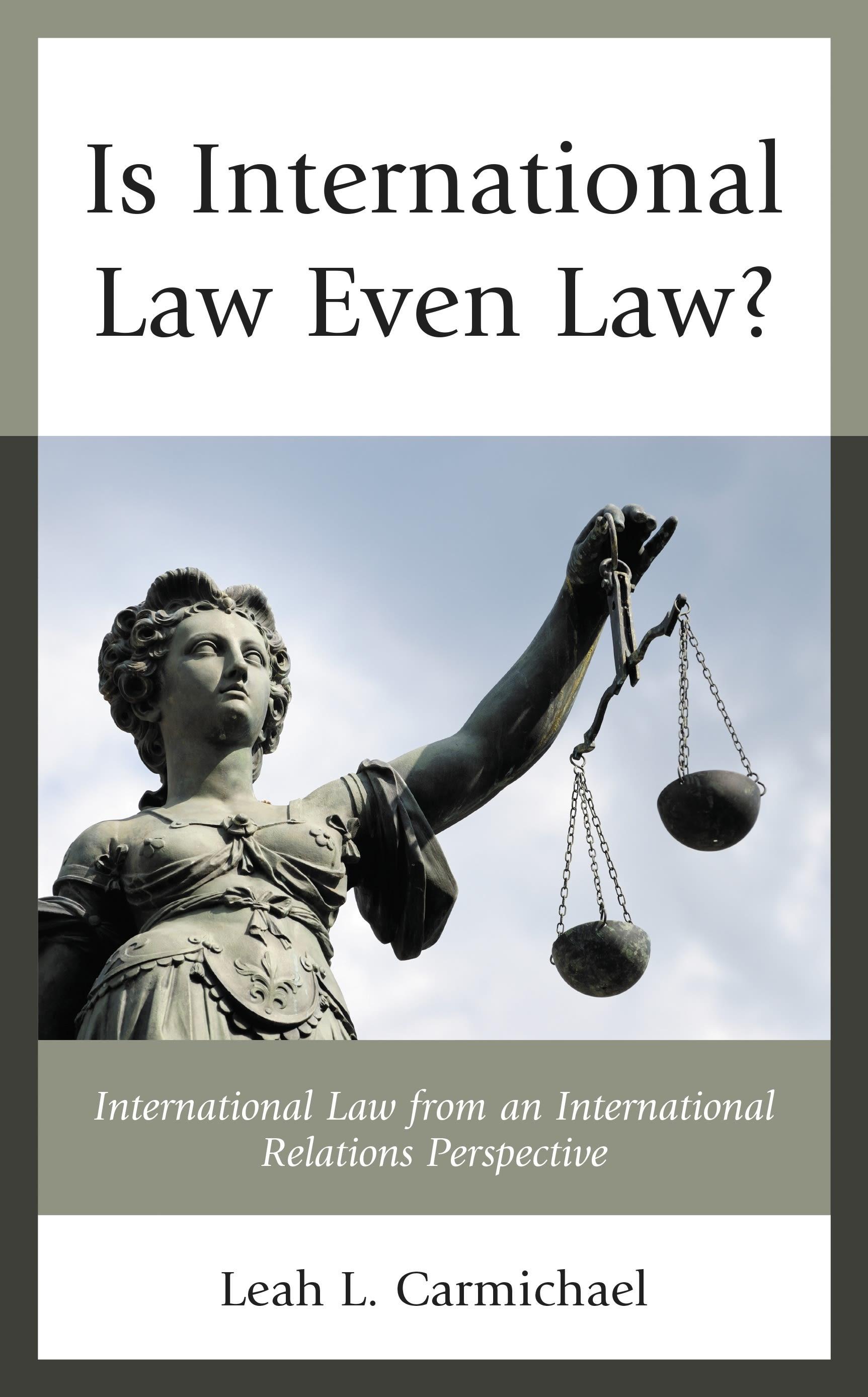
International law is so fundamentally distinct from domestic law that some even question whether it is the law at all. Unlike domestic law, in which the state can create, enforce, and interpret the laws, there is no higher authority above states in international law. As a result, states serve as both creators, enforcers, and adjudicators of international law and are subject to it. Most confoundingly, even though there is no higher authority than states in the international system, states tend to comply with international law most of the time. Further, when they do violation international law, they go to great lengths to defend their actions as within compliance with the law. To understand when and why states treat international “law” as the law in our international system, one must understand both the components of a sound legal argument and the political motivations shaping how laws are created, when they are followed, and when they are ignored.
Pay easily by card, Klarna, Apple Pay or Google Pay. Not happy? You always have a 14-day money-back guarantee. Read more in our terms. If you have any questions, email us at hello@memmo.org.
Memmo makes studying easier – wherever you are in the world. We bring your course books and smart study tools together in one place: summaries, quizzes, podcasts and flashcards. Plus Ted, your study buddy who answers anything you wonder. Over 50,000 students already study here – built to help you learn faster and stress less.