
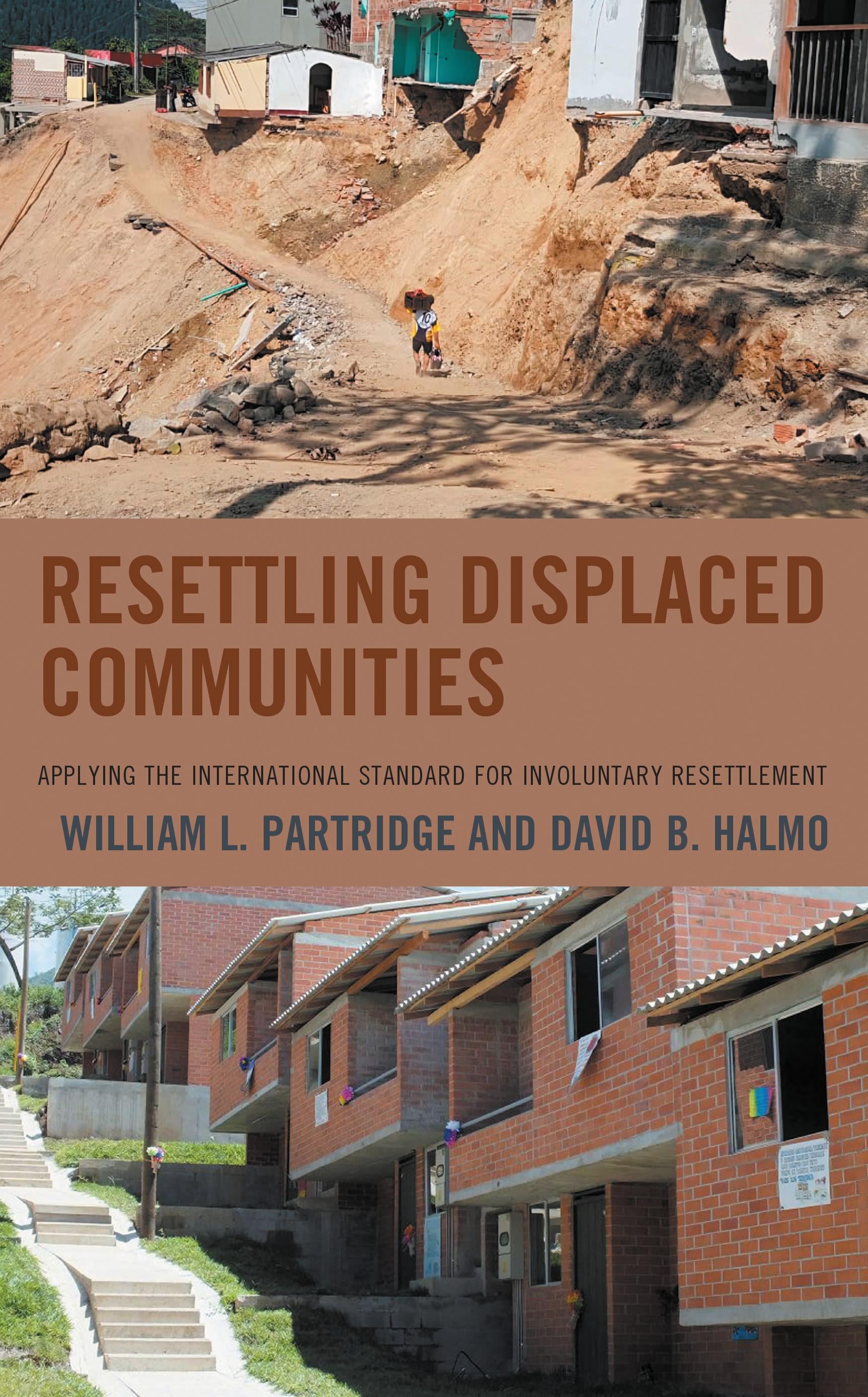
Global trends suggest that the number of people involuntarily displaced will increase exponentially in the coming decades. The authors argue that when the agency, time-tested adaptations, innovative capacities, dignity, and human rights of displaced people are respected as full participants in the rebuilding of their communities, livelihoods and standards of living, resettlement outcomes are more positive. The goal of resettlement must be the sustainable social, economic and human development of affected communities, requiring a praxis of ethical commitment to effective, actionable recommendations based on empirical observation. The authors draw on case examples from Asia, Africa and the Americas. This book will be of interest to resettlement specialists, planners, administrators, nongovernmental and civil society organizations, and scholars and students of anthropology, sociology, development studies, and social policy.
Pay easily by card, Klarna, Apple Pay or Google Pay. Not happy? You always have a 14-day money-back guarantee. Read more in our terms. If you have any questions, email us at hello@memmo.org.
Memmo makes studying easier – wherever you are in the world. We bring your course books and smart study tools together in one place: summaries, quizzes, podcasts and flashcards. Plus Ted, your study buddy who answers anything you wonder. Over 50,000 students already study here – built to help you learn faster and stress less.