
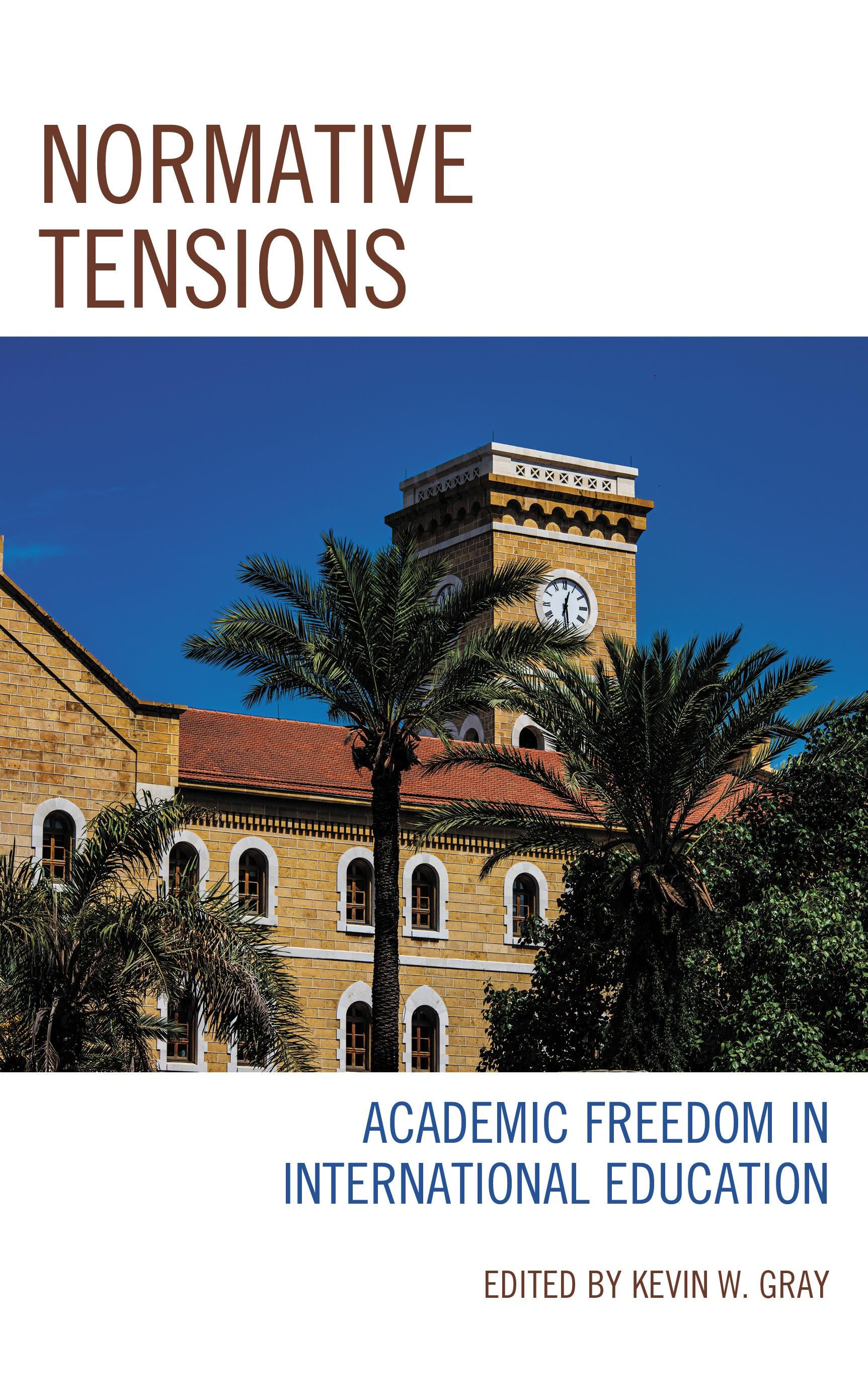
The expansion of Western education overseas has been both an economic success, if the numbers of American, European, and Australian universities setting up campuses in Asia and the Middle East is a measure -- and a source of consternation for academics concerned with norms of free inquiry and intellectual freedom. Faculty at Western campuses have resisted the new satellite campuses, fearing that colleagues on those campuses would be less free to teach and engage in intellectual inquiry, and that students could be denied the free inquiry normally associated with liberal arts education. Critics point to the denial of visas to academics wishing to carry out research on foreign campuses, the sudden termination of employment at schools in both the Middle East and Asia, or the last-minute cancellation of courses at those schools, as evidence that they were correctly suspicious of the possibility that liberal arts programs could exist in those regions. Supporters of the project have argued that opening up foreign campuses brings free inquiry to closed societies, improves educational opportunities for students who would otherwise be denied them, or, perhaps less frequently, that free inquiry will be no more pressured than in the United States or Western Europe. Normative Tensions examines the consequences not only of expansion overseas, but the increased opening of universities to foreign students.
Pay easily by card, Klarna, Apple Pay or Google Pay. Not happy? You always have a 14-day money-back guarantee. Read more in our terms. If you have any questions, email us at hello@memmo.org.
Memmo makes studying easier – wherever you are in the world. We bring your course books and smart study tools together in one place: summaries, quizzes, podcasts and flashcards. Plus Ted, your study buddy who answers anything you wonder. Over 50,000 students already study here – built to help you learn faster and stress less.