
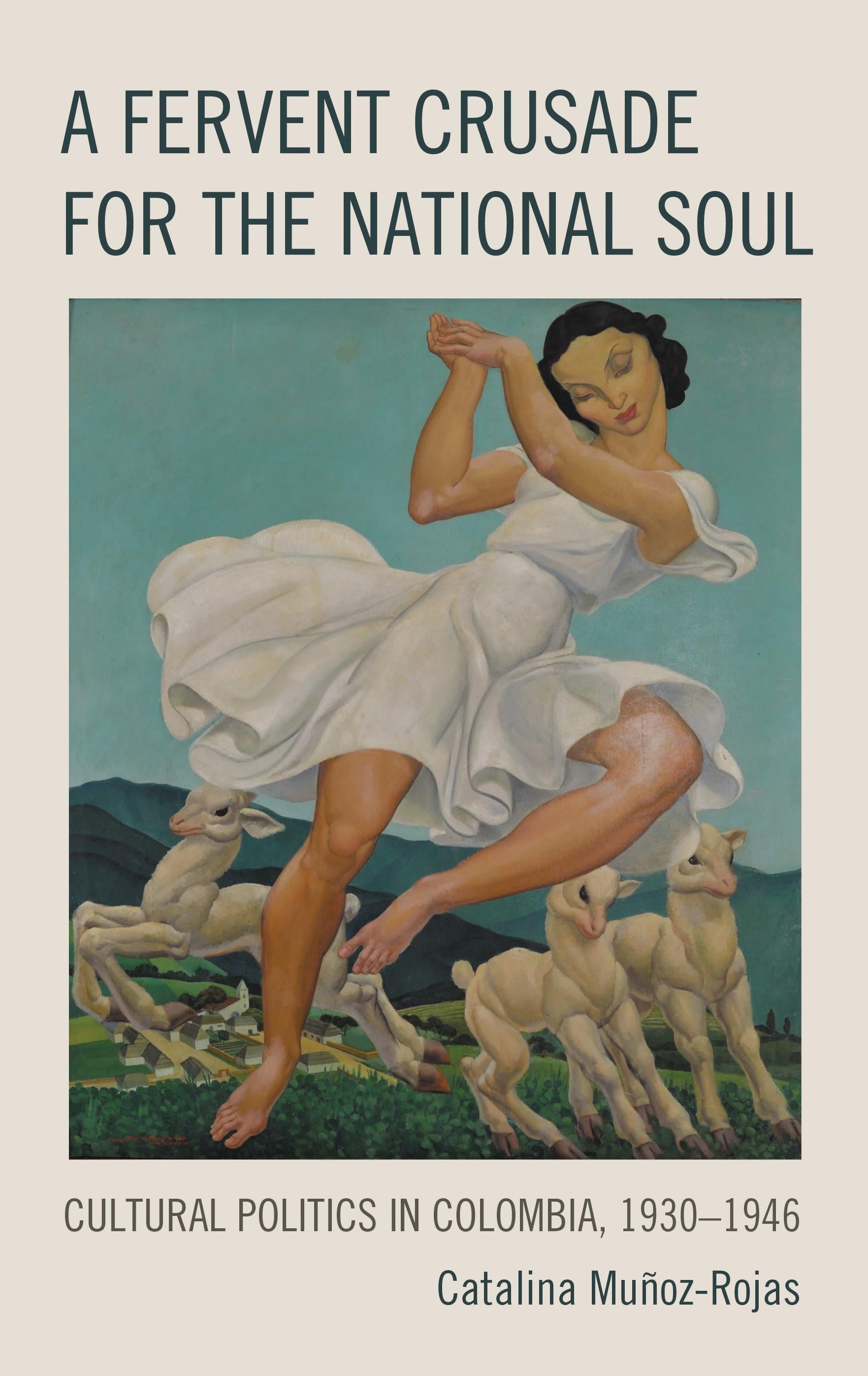
A Fervent Crusade for the National Soul examines the implementation of cultural policies in relation to the contested configuration of citizenship in Colombia between 1930 and 1946. At a time when national identities were re-imagined all over the Americas, progressive artists and intellectuals affiliated with the liberal governments that ruled Colombia established an unprecedented bureaucratic apparatus for cultural intervention that celebrated so-called “popular culture” and rendered culture a social right. This book challenges pervasive narratives of state failure in Colombia, attending to the confrontations, negotiations, and entanglements of bureaucrats with everyday citizens that shaped the relationship between the ruler and the ruled. Catalina Muñoz argues that while culture became an instrument of inclusion, the liberal definition of popular culture as authentic and static was also a tool for domination that reinforced enduring structures of inequality founded on region, race, and gender. Liberals crafted the state as the paternalistic protector of acquiescent citizens, instead of a warden of political participation. Muñoz suggests that this form of governance allowed the elites to rule without making the structural changes required to craft a more equal society.
Pay easily by card, Klarna, Apple Pay or Google Pay. Not happy? You always have a 14-day money-back guarantee. Read more in our terms. If you have any questions, email us at hello@memmo.org.
Memmo makes studying easier – wherever you are in the world. We bring your course books and smart study tools together in one place: summaries, quizzes, podcasts and flashcards. Plus Ted, your study buddy who answers anything you wonder. Over 50,000 students already study here – built to help you learn faster and stress less.