
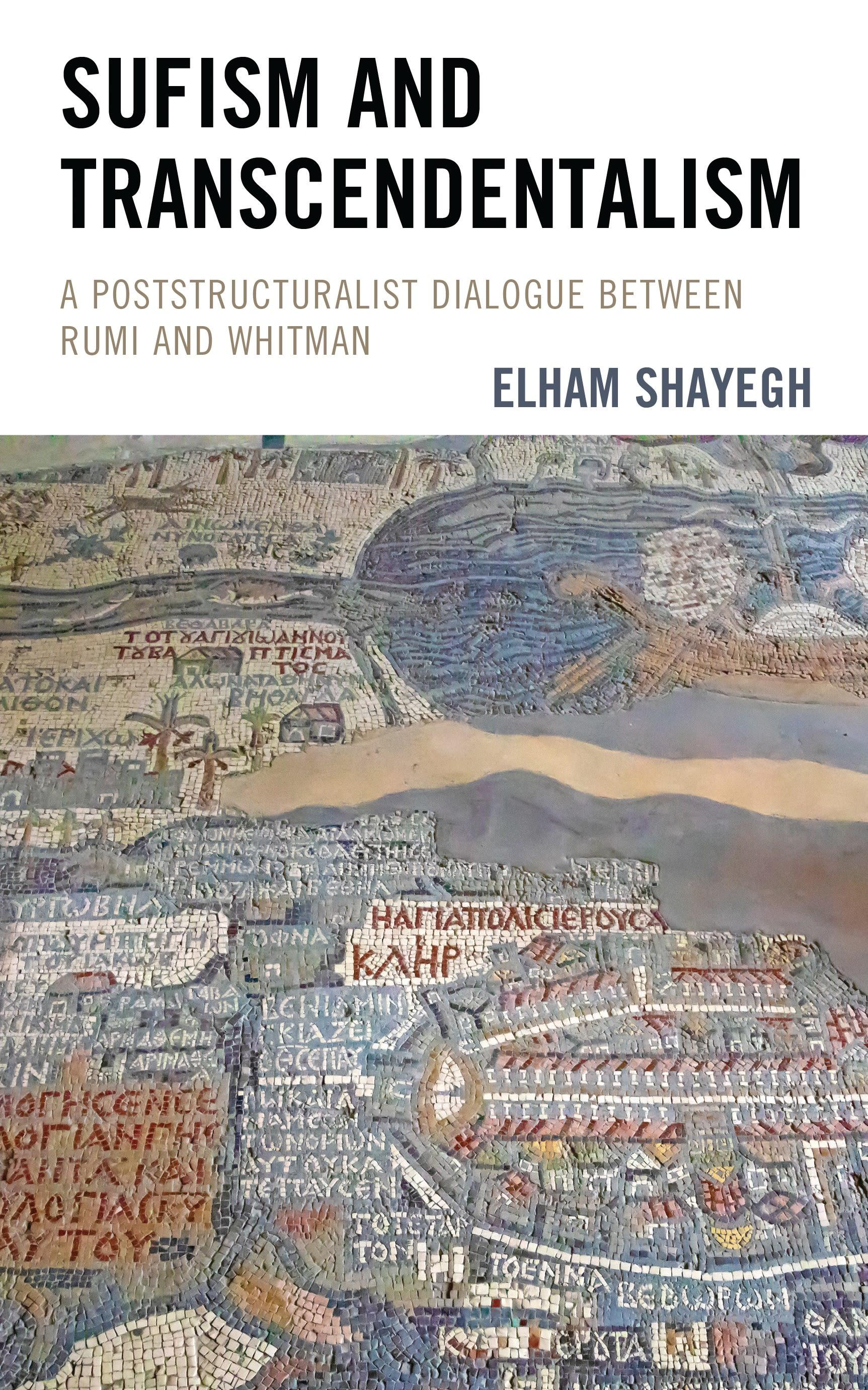
The rhetoric of cultural identity generally goes in two potential directions: One a universal line that insists on an overall pattern of integration and harmony among all peoples regardless of their differences, and the other a line which suggests that various cultures are so specific and different that they will eventually enter into clash, violence and war. Drawing upon Derrida's concept of differance, I will point out that such rhetoric as examples of current political discourses fail to open the concept of cultural identity through redefining its relationship with otherness. This will be accompanied by poetry of Rumi and Whitman to suggest that their literary language through its non-dialectic characteristics is familiar with the problematic of identity and has the ability to form a cross-cultural dialogue. Sufism And Transcendentalism envisages the possibility of dialogue against the background of political conflict.
Pay easily by card, Klarna, Apple Pay or Google Pay. Not happy? You always have a 14-day money-back guarantee. Read more in our terms. If you have any questions, email us at hello@memmo.org.
Memmo makes studying easier – wherever you are in the world. We bring your course books and smart study tools together in one place: summaries, quizzes, podcasts and flashcards. Plus Ted, your study buddy who answers anything you wonder. Over 50,000 students already study here – built to help you learn faster and stress less.