
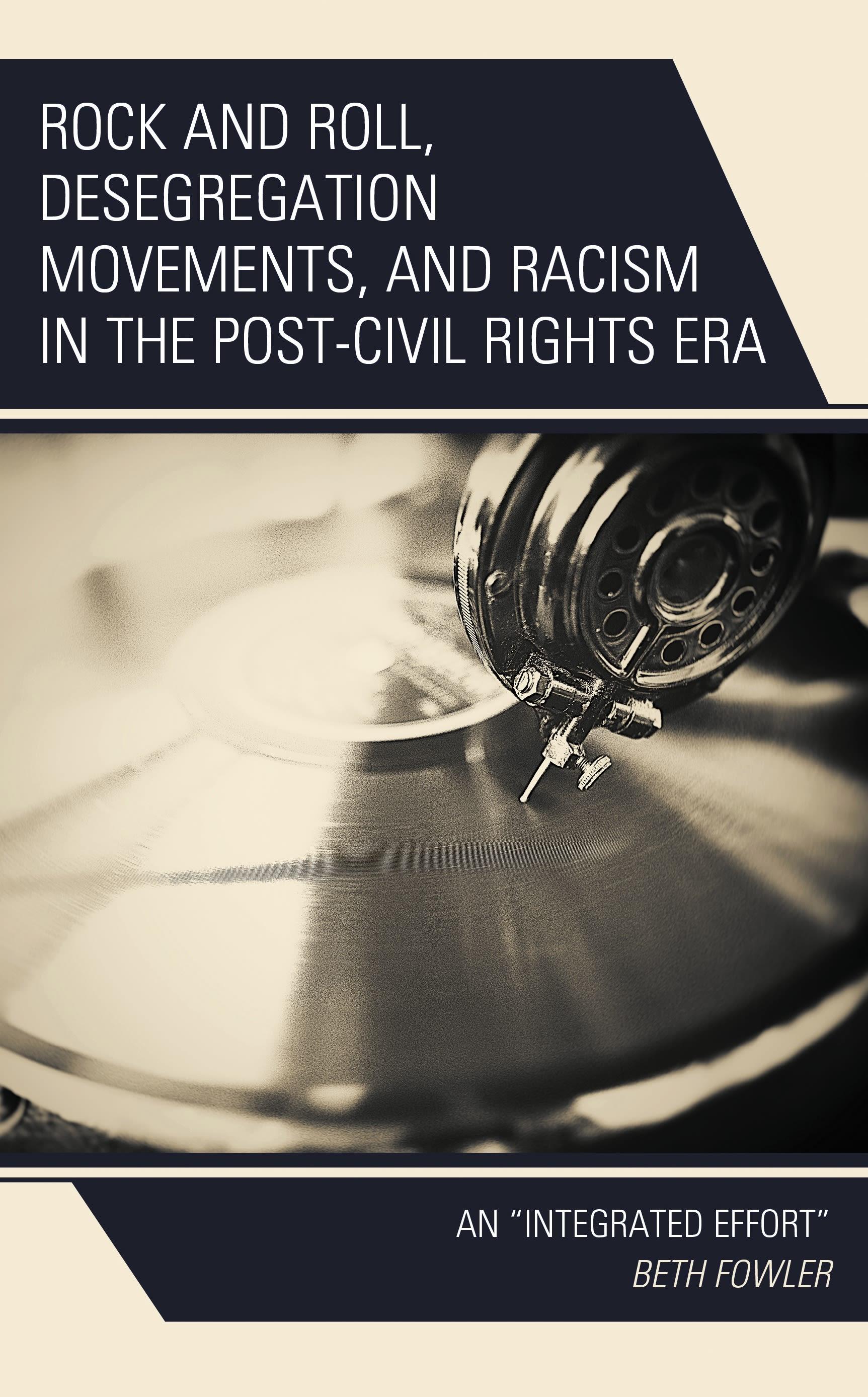
The rock and roll music that dominated airwaves across the country during the 1950s and early 1960s is often described as a triumph for integration. Black and white musicians alike, including Chuck Berry, Little Richard, Elvis Presley, and Jerry Lee Lewis, scored hit records with young audiences from different racial groups, blending sonic traditions from R&B, country, and pop. This so-called "desegregation of the charts" seemed particularly resonant since major civil rights groups were waging major battles for desegregation in public places at the same time. And yet the centering of integration, as well as the supposition that democratic rights largely based in consumerism should be available to everyone regardless of race, has resulted in very distinct responses to both music and movement among Black and white listeners who grew up during this period. Rock and Roll, Desegregation Movements, and Racism in the Post-Civil Rights Era: An "Integrated Effort" traces these distinctions using archival research, musical performances, and original oral histories to determine the uncertain legacies of the civil rights movement and early rock and roll music in a supposedly post-civil rights era.
Pay easily by card, Klarna, Apple Pay or Google Pay. Not happy? You always have a 14-day money-back guarantee. Read more in our terms. If you have any questions, email us at hello@memmo.org.
Memmo makes studying easier – wherever you are in the world. We bring your course books and smart study tools together in one place: summaries, quizzes, podcasts and flashcards. Plus Ted, your study buddy who answers anything you wonder. Over 50,000 students already study here – built to help you learn faster and stress less.