
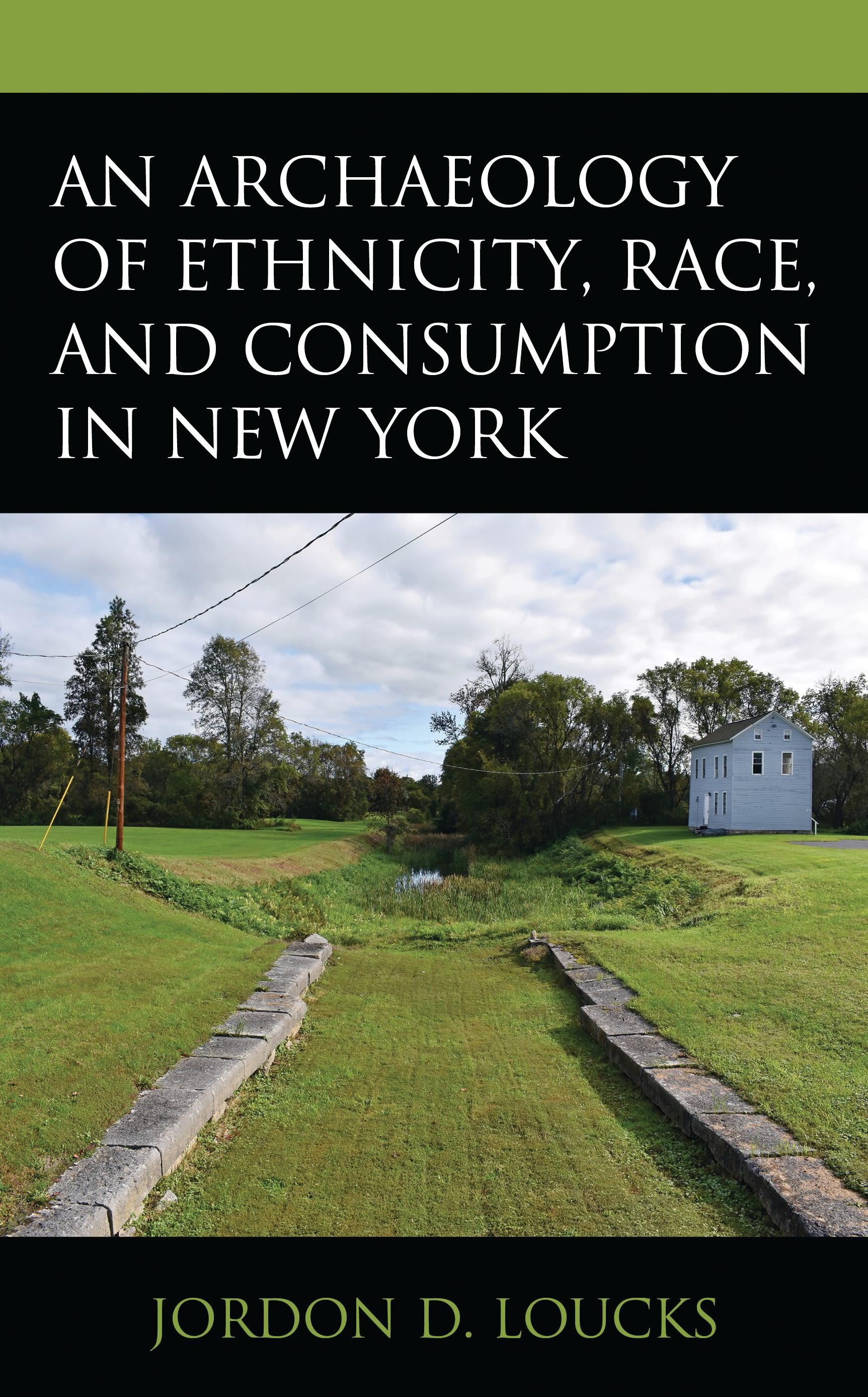
An Archaeology of Ethnicity, Race, and Consumption in New York examines the archaeological visibility of ethnicity within the confines of nineteenth-century material culture from across New York State. The author discusses the limits of archaeological interpretations of ethnicity, presents the utility of material indications of racism in the archaeological record, considers the archaeological footprint of immigrant groups, and contextualizes these discussions with the economic development of the state of New York. The author argues that the construction of canals and railroads causes drastic changes in trade networks and available goods throughout the state, and impacted the lives of immigrant populations who both built and depended on these systems. This book recounts the exploitation of immigrant groups for hard labor to complete these arterial constructions, which in turn increases reliable accessibility to trade goods, but also provides archaeologists today an increased ability to understand the treatment of those immigrant groups by American society.
Pay easily by card, Klarna, Apple Pay or Google Pay. Not happy? You always have a 14-day money-back guarantee. Read more in our terms. If you have any questions, email us at hello@memmo.org.
Memmo makes studying easier – wherever you are in the world. We bring your course books and smart study tools together in one place: summaries, quizzes, podcasts and flashcards. Plus Ted, your study buddy who answers anything you wonder. Over 75,000 students already study here – built to help you learn faster and stress less.