
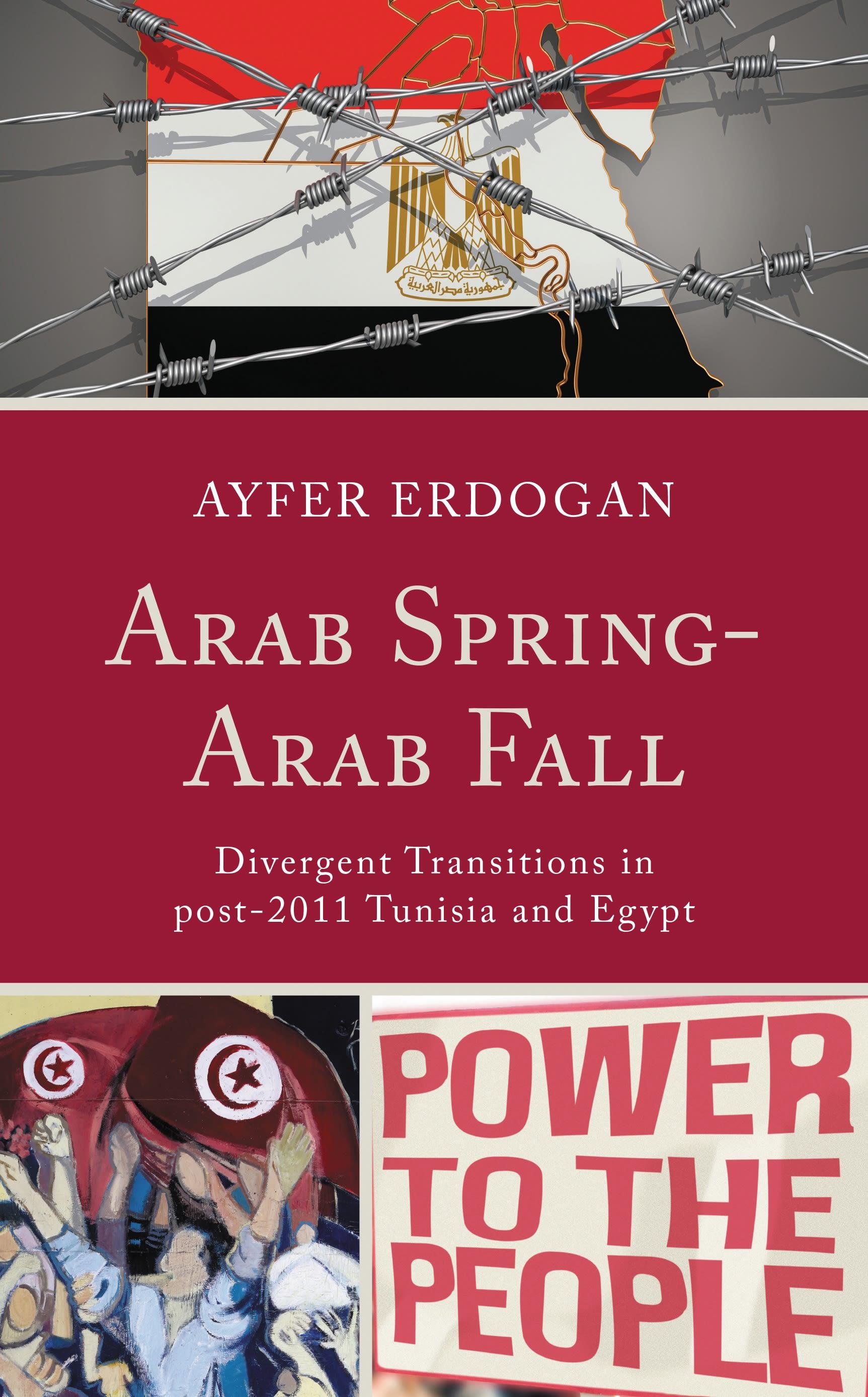
The popular protests in early 2011 were once seen as a turning point in the history of the Arab world, raising hopes for democracy, freedom, and justice in the Middle East. A decade after the uprisings, these hopes are largely dashed in each country swept by popular protests with the exception of Tunisia. Tunisia became the only democracy in the entire region while Egypt saw its first freely elected president and government thrown out by the army in a bloody coup which resulted in a regime that is no less authoritarian than Mubarak’s. This book provides a detailed analysis of the political, economic, and constitutional developments in Tunisia and Egypt. In the light of the existing literature on comparative democratization, the author explores why Egypt’s path to democratization was eroded by several transitional actors while Tunisian political elite managed to move the country towards democracy. The book centers its focus on the role of the political agents in designing the transition and explores the transitional period with respect to the interactions among the political elite and their cost-benefit assumptions, ideological interests, as well as their commitment to democratic processes.
Pay easily by card, Klarna, Apple Pay or Google Pay. Not happy? You always have a 14-day money-back guarantee. Read more in our terms. If you have any questions, email us at hello@memmo.org.
Memmo makes studying easier – wherever you are in the world. We bring your course books and smart study tools together in one place: summaries, quizzes, podcasts and flashcards. Plus Ted, your study buddy who answers anything you wonder. Over 50,000 students already study here – built to help you learn faster and stress less.