
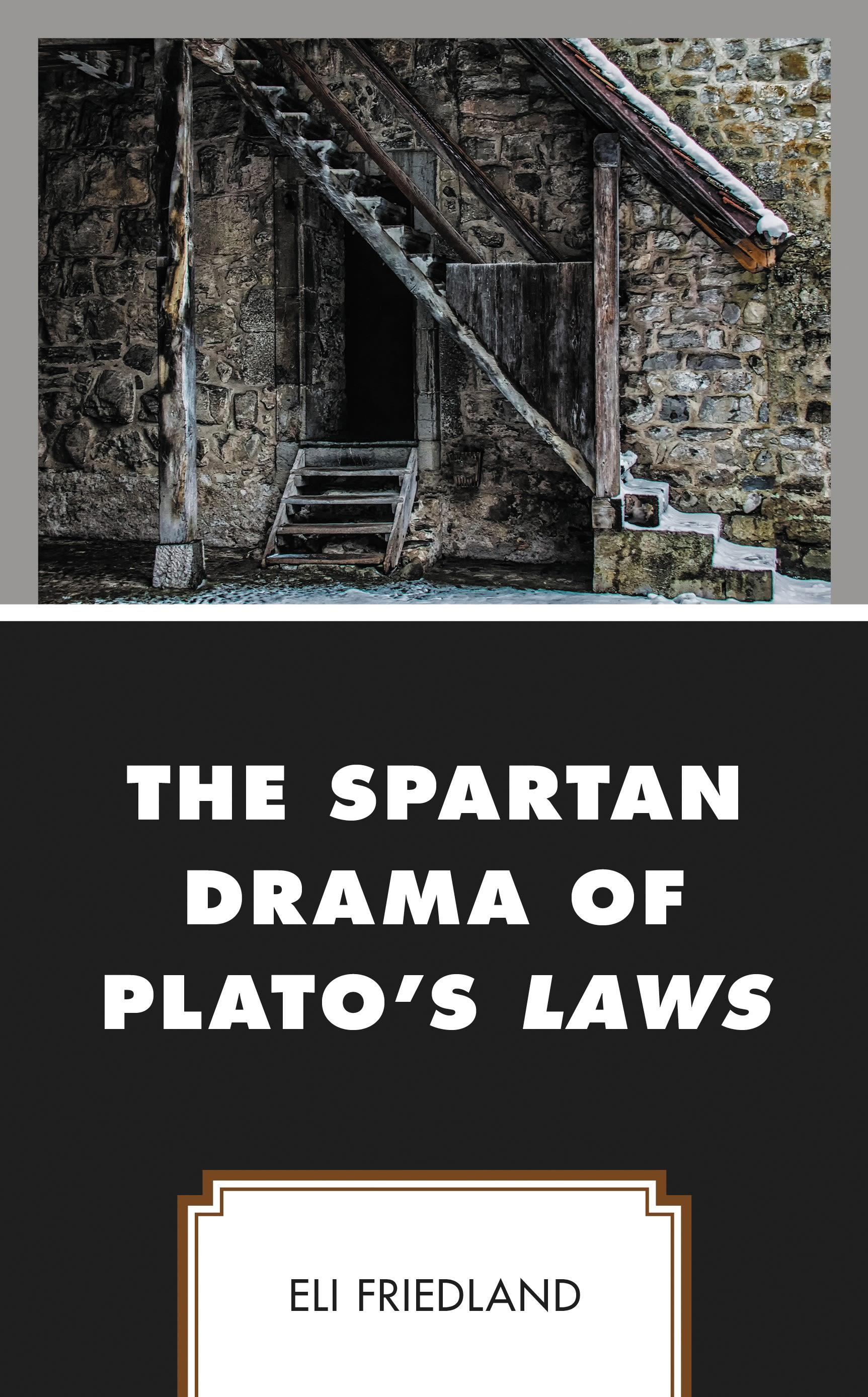
Friedland presents the Laws, Plato's longest dialogue, as a drama that must be interpreted with close and sustained attention to each of its three characters. He argues that Megillos, seen by most commentators as the most obtuse character in the dialogue, is in fact a man of few words but of surprising capacity for reflection. This capacity, and the crisis to which it brings him, is key to understanding the Laws' exploration of human nature, permanently drawn both to what is beyond and beneath it. The political project outlined in the dialogue, with its almost programmatic focus on the mundane, is a genuinely philosophical opportunity to consider the relationship between competing demands for human beings - between divine and animal nature, and also including the always tense but necessary antagonisms and affinities between politics and human sexuality.
Pay easily by card, Klarna, Apple Pay or Google Pay. Not happy? You always have a 14-day money-back guarantee. Read more in our terms. If you have any questions, email us at hello@memmo.org.
Memmo makes studying easier – wherever you are in the world. We bring your course books and smart study tools together in one place: summaries, quizzes, podcasts and flashcards. Plus Ted, your study buddy who answers anything you wonder. Over 50,000 students already study here – built to help you learn faster and stress less.