
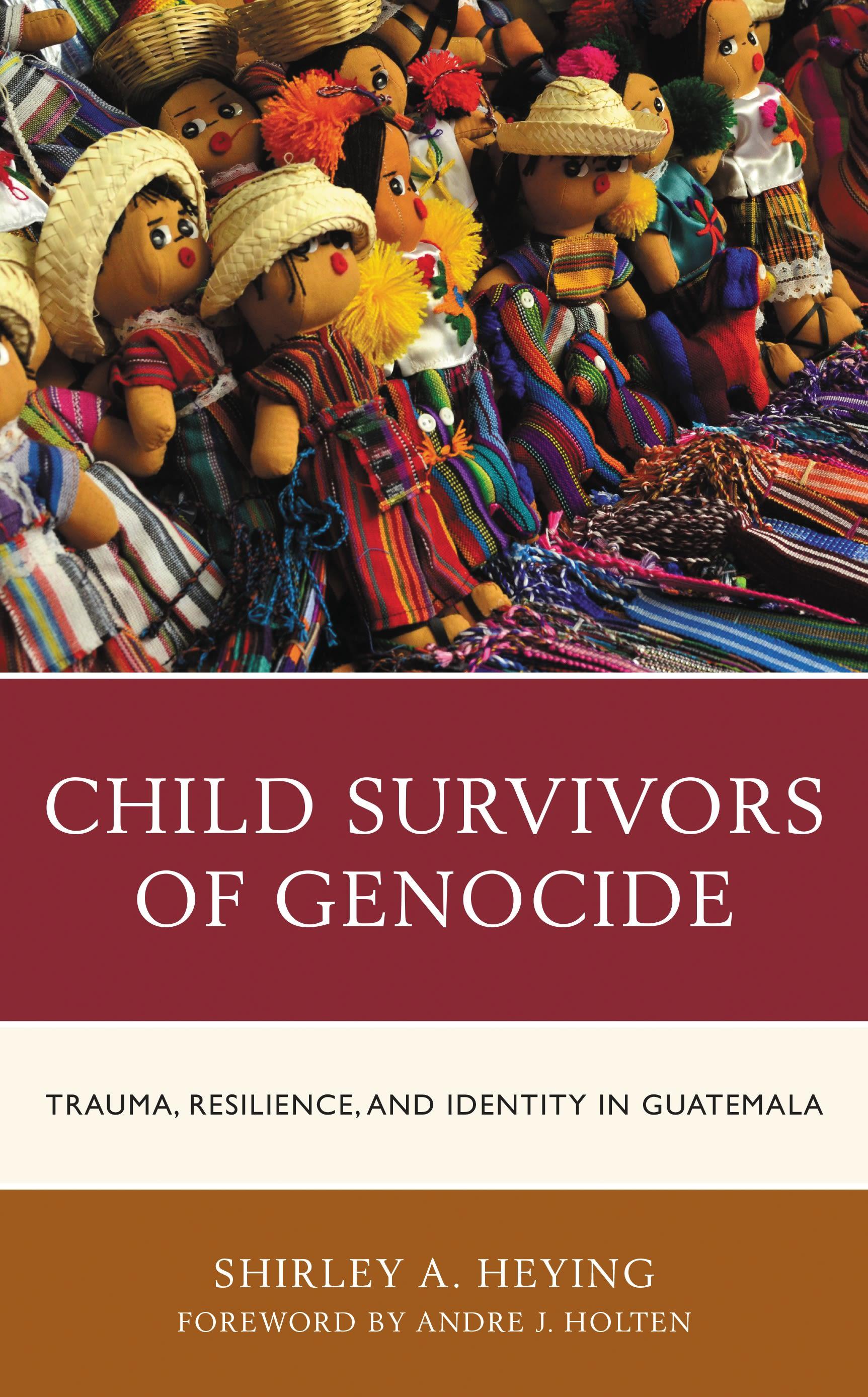
Child Survivors of Genocide: Trauma, Resilience, and Identity in Guatemala presents mixed-method, comparative ethnographic research conducted with orphaned child survivors who are now adults. These survivors were orphaned during Guatemala’s thirty-six-year internal armed conflict and particularly during the heightened period of genocide from 1978 to 1983, referred to as la violencia. Raised for the majority of their childhoods in a family-style permanent residential home in the highlands region, the author examines the long-term consequences that these individuals have faced not only from grieving the loss of their parents and family members but also because of their orphan status. While they suffer from lasting trauma, these child survivors have become resilient, well-adapted adults with a strong internalized sense of ethnic identity. They also engage in creative and transformative practices regarding ethnic identity and belonging that have contributed to their abilities to adapt to their life circumstances in positive, constructive ways, and have expanded what it means to be Maya Indigenous Guatemalans today. Child survivors’ experiences offer inspiration, justify expanded research with child survivors as their own distinct survivor group, and warrant reconsideration of in-country residential care when other forms of loving, nurturing in-country care are unavailable.
Pay easily by card, Klarna, Apple Pay or Google Pay. Not happy? You always have a 14-day money-back guarantee. Read more in our terms. If you have any questions, email us at hello@memmo.org.
Memmo makes studying easier – wherever you are in the world. We bring your course books and smart study tools together in one place: summaries, quizzes, podcasts and flashcards. Plus Ted, your study buddy who answers anything you wonder. Over 50,000 students already study here – built to help you learn faster and stress less.