
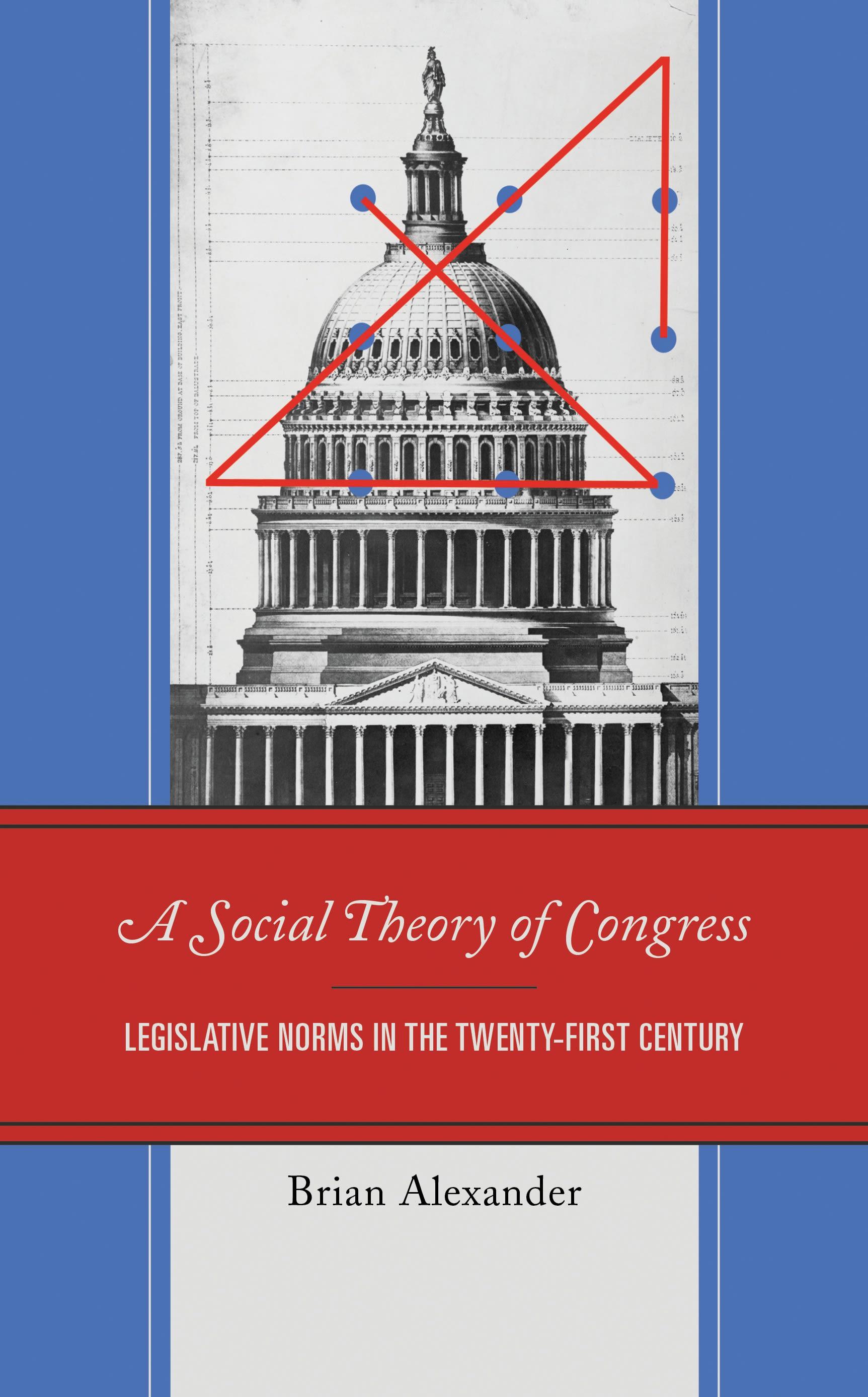
What is the role that norms play in the U.S. Congress? At a time of unprecedented partisanship and high-profile breaches of legislative norms in the modern Congress, the relationship between norms and the functioning of the institution is a growing and pressing concern. Despite the importance of the topic, recent scholarship has not focused on congressional norms. Meanwhile, previous research leaves open many relevant questions about the role of norms in the Congress of the twenty-first century.
A Social Theory of Congress brings norms back in to the study of Congress by defining what are legislative norms, identifying which norms currently exist in the U.S. Congress, and examining the effects that congressional norms have. This book provides a new research approach to study congressional norms through a comprehensive review of previous scholarship and a combination of interviews, survey research, and analysis of member behavior. What’s more, an innovative theoretical framework — a social theory of Congress — provides new perspectives in the study of legislatures and political behavior.
The findings are striking. Norms of cooperation are surprisingly alive and well in an otherwise partisan Congress. But norms of conflict are on the rise. In addition, norms of a changing culture are affecting how members understand their role as lawmakers and in their interactions among one another. Together, these findings suggest that norms play an important role in the functioning of the legislature and as norms evolve so too does the performance of Congress in American democracy.
A Social Theory of Congress brings norms back in to the study of Congress by defining what are legislative norms, identifying which norms currently exist in the U.S. Congress, and examining the effects that congressional norms have. This book provides a new research approach to study congressional norms through a comprehensive review of previous scholarship and a combination of interviews, survey research, and analysis of member behavior. What’s more, an innovative theoretical framework — a social theory of Congress — provides new perspectives in the study of legislatures and political behavior.
The findings are striking. Norms of cooperation are surprisingly alive and well in an otherwise partisan Congress. But norms of conflict are on the rise. In addition, norms of a changing culture are affecting how members understand their role as lawmakers and in their interactions among one another. Together, these findings suggest that norms play an important role in the functioning of the legislature and as norms evolve so too does the performance of Congress in American democracy.
Pay easily by card, Klarna, Apple Pay or Google Pay. Not happy? You always have a 14-day money-back guarantee. Read more in our terms. If you have any questions, email us at hello@memmo.org.
Memmo makes studying easier – wherever you are in the world. We bring your course books and smart study tools together in one place: summaries, quizzes, podcasts and flashcards. Plus Ted, your study buddy who answers anything you wonder. Over 50,000 students already study here – built to help you learn faster and stress less.