
I.B.Tauris in association with the Institute of Ismaili Studies
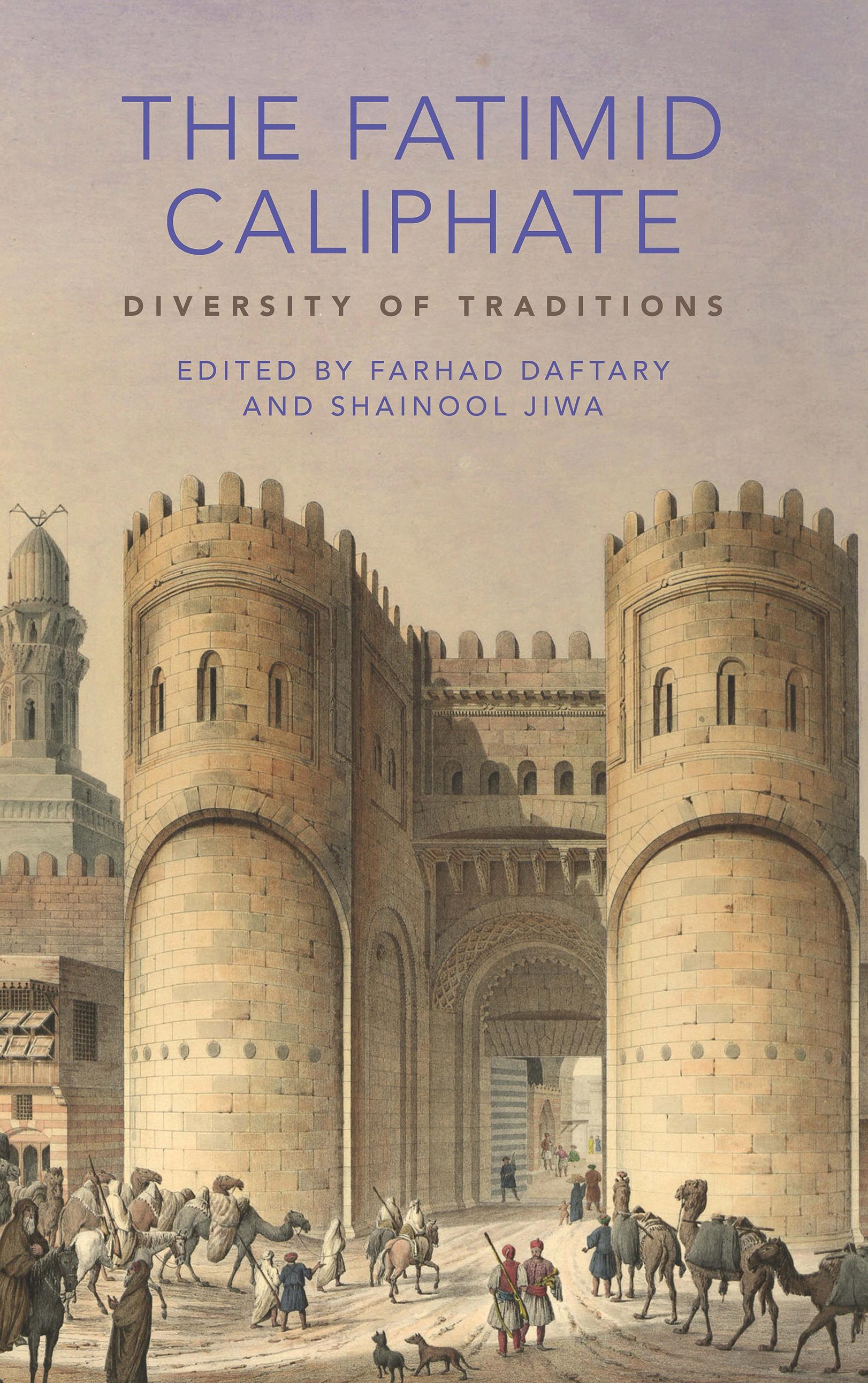
The Fatimids ruled much of the Mediterranean world for over two centuries. From the conquest of Qayrawan in 909 to defeat at the hands of Saladin in 1171, the Fatimid caliphate governed a vast area stretching, at its peak, from the Red Sea in the East to the Atlantic Ocean in the West. Their leaders - the Ismaili Shi`i Imam-caliphs - were distinctive in largely pursuing a policy of tolerance towards the religious and ethnic communities of their realm, and they embraced diverse approaches to the practicalities of administering a vast empire. Such methods of negotiating government and diversity created a lasting pluralistic legacy.
The present volume, edited by Farhad Daftary and Shainool Jiwa, brings together a series of original contributions from a number of leading authorities in the field. Based on analyses of primary sources, the chapters shed fresh light on the impact of Fatimid rule. The book presents little explored aspects of state-society relations such as the Fatimid model of the vizierate, Sunni legal responses to Fatimid observance, and the role of women in prayer. Highlighting the distinctive nature of the Fatimid empire and its legacy, this book will be of special interest to researchers in mediaeval Islamic history and thought.
The Fatimids ruled much of the Mediterranean world for over two centuries. From the conquest of Qayrawan in 909 to defeat at the hands of Saladin in 1171, the Fatimid caliphate governed a vast area stretching, at its peak, from the Red Sea in the East to the Atlantic Ocean in the West. Their leaders - the Ismaili Shi`i Imam-caliphs - were distinctive in largely pursuing a policy of tolerance towards the religious and ethnic communities of their realm, and they embraced diverse approaches to the practicalities of administering a vast empire. Such methods of negotiating government and diversity created a lasting pluralistic legacy.
The present volume, edited by Farhad Daftary and Shainool Jiwa, brings together a series of original contributions from a number of leading authorities in the field. Based on analyses of primary sources, the chapters shed fresh light on the impact of Fatimid rule. The book presents little explored aspects of state-society relations such as the Fatimid model of the vizierate, Sunni legal responses to Fatimid observance, and the role of women in prayer. Highlighting the distinctive nature of the Fatimid empire and its legacy, this book will be of special interest to researchers in mediaeval Islamic history and thought.
Pay easily by card, Klarna, Apple Pay or Google Pay. Not happy? You always have a 14-day money-back guarantee. Read more in our terms. If you have any questions, email us at hello@memmo.org.
Memmo makes studying easier – wherever you are in the world. We bring your course books and smart study tools together in one place: summaries, quizzes, podcasts and flashcards. Plus Ted, your study buddy who answers anything you wonder. Over 50,000 students already study here – built to help you learn faster and stress less.