
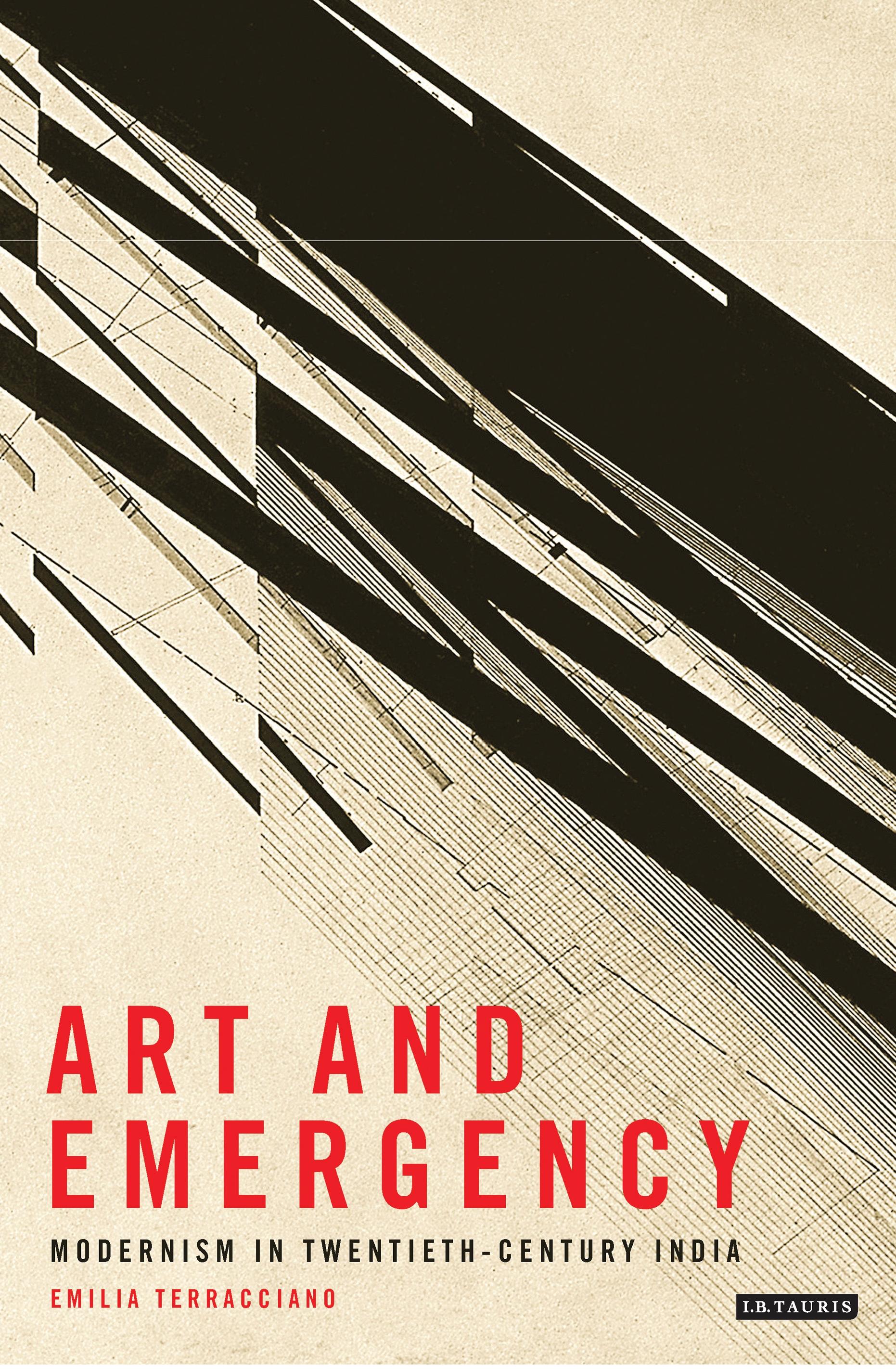
During states of emergency, normal rules and rights are suspended, and force can often prevail. In these precarious intervals, when the human potential for violence can be released and rehearsed, images may also emerge. This book asks: what happens to art during a state of emergency? Investigating the uneasy relationship between aesthetics and political history, Emilia Terracciano traces a genealogy of modernism in colonial and postcolonial India; she explores catastrophic turning points in the history of twentieth-century India, via the art works which emerged from them. Art and Emergency reveals how the suspended, diagonal, fugitive lines of Nasreen Mohamedi's abstract compositions echo Partition's traumatic legacy; how the theatrical choreographies of Sunil Janah's photographs document desperate famine; and how Gaganendranath Tagore's lithographs respond to the wake of massacre. Making an innovative, important intervention into current debates on visual culture in South Asia, this book also furthers our understanding of the history of modernism.
Pay easily by card, Klarna, Apple Pay or Google Pay. Not happy? You always have a 14-day money-back guarantee. Read more in our terms. If you have any questions, email us at hello@memmo.org.
Memmo makes studying easier – wherever you are in the world. We bring your course books and smart study tools together in one place: summaries, quizzes, podcasts and flashcards. Plus Ted, your study buddy who answers anything you wonder. Over 50,000 students already study here – built to help you learn faster and stress less.