
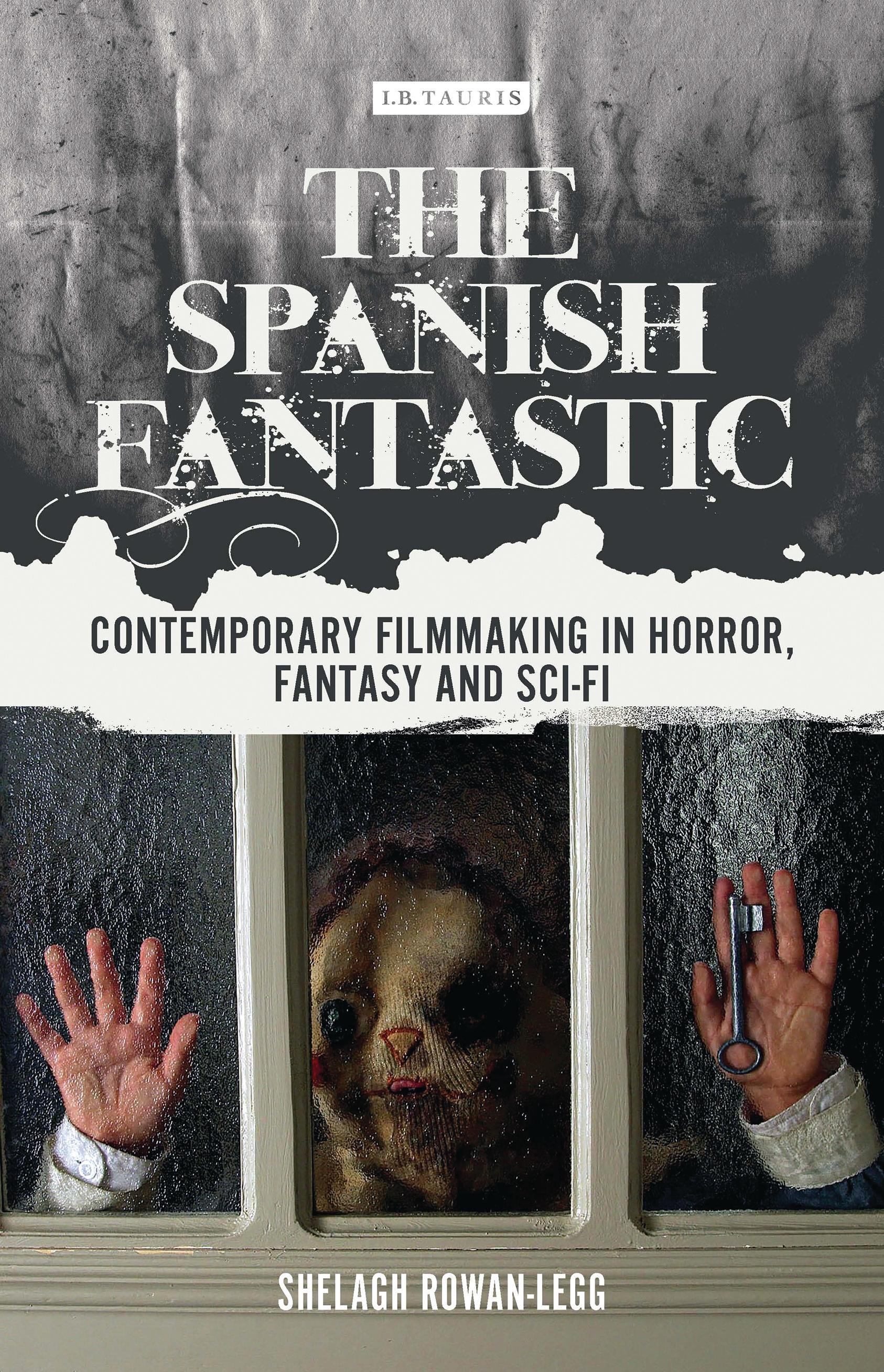
In recent decades, the Spanish 'fantastic' has been at the forefront of genre filmmaking. Films such as The Day of the Beast, the Rec trilogy, The Orphanage and Timecrimes have received widespread attention and popularity, arguably rescuing Spanish cinema from its semi-invisibility during the creativity-crushing Franco years. By turns daring, evocative, outrageous, and intense, this new cinema has given voice to a generation, both beholden to and yet breaking away from their historical and cultural roots. Beginning in the 1990s, films from directors such as Alex de la Iglesia, Alejandro Amenabar, and Jaume Balaguero reinvigorated Spanish cinema in the horror, science fiction and fantasy veins as their work proliferated and took centre stage at international festivals such as Sitges, Fantasia International Film Festival and Fantastic Fest. Through an examination of key films and filmmakers, Shelagh Rowan-Legg here investigates the rise of this unique new wave of genre films from Spain, and how they have recycled, reshaped and renewed the stunning visual tropes, wild narratives and imaginative other worlds inherent to an increasingly influential cinematic field.Its emergence is part of a new trend of postnational cinema, led by the fantastic, which approaches the national boundaries of cinema with an exciting sense of fluidity.
Pay easily by card, Klarna, Apple Pay or Google Pay. Not happy? You always have a 14-day money-back guarantee. Read more in our terms. If you have any questions, email us at hello@memmo.org.
Memmo makes studying easier – wherever you are in the world. We bring your course books and smart study tools together in one place: summaries, quizzes, podcasts and flashcards. Plus Ted, your study buddy who answers anything you wonder. Over 50,000 students already study here – built to help you learn faster and stress less.