
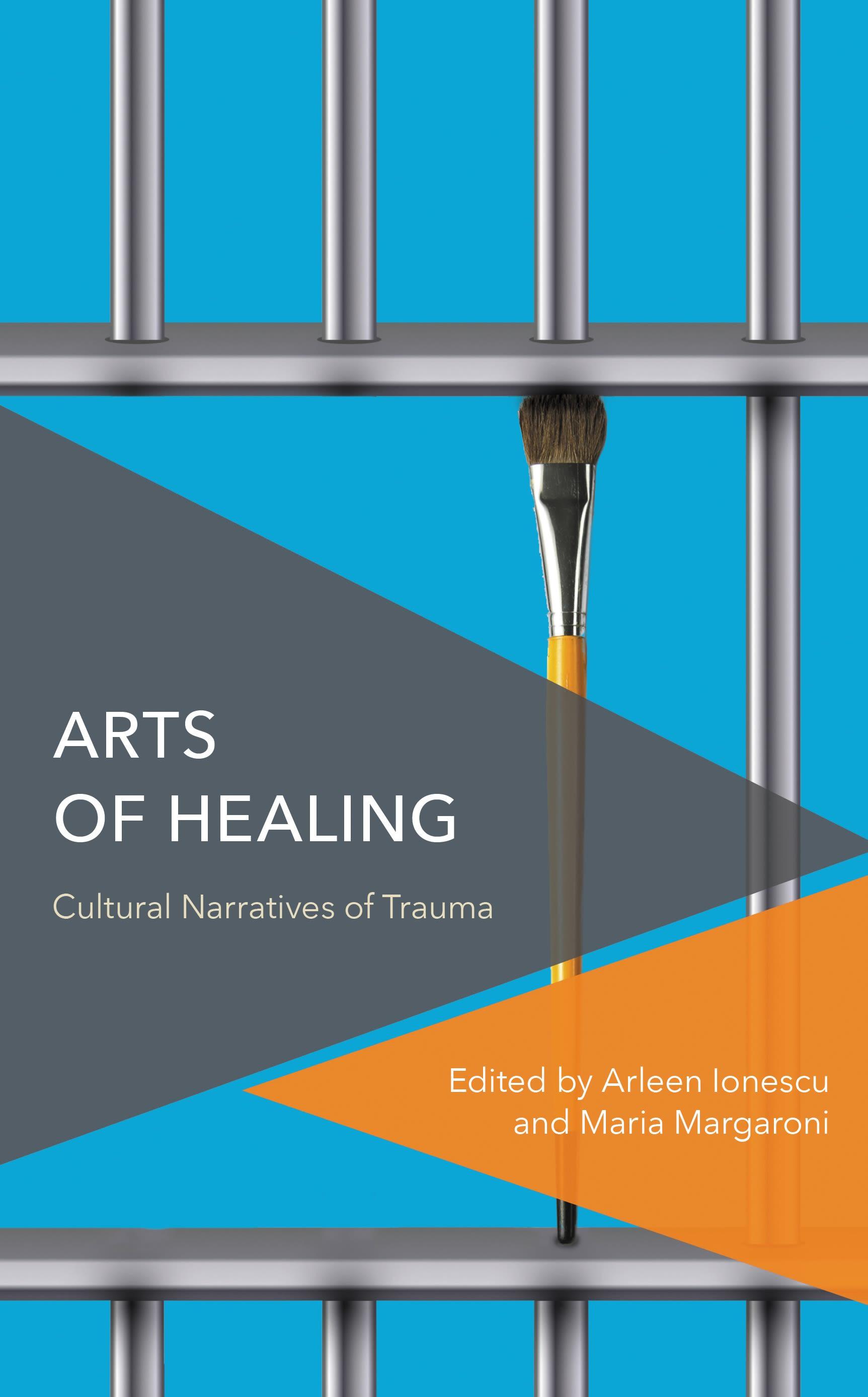
This book occurs at the intersection of philosophy, critical theory, psychoanalysis and the visual arts. Each chapter looks at art produced in various traumatogenic cultures: detention centres, post-Holocaust film, autobiography and many more.Other chapters look at the Juarez femicides, the production of collective memory, of makeshift memorials, acts of forgiveness and contemporary forms of trauma. The book proposes new ways of 'thinking trauma', foregrounding the possibility of healing and the task that the critical humanities has to play in this healing. Where is its place in an increasingly terror-haunted world, where personal and collective trauma is as much of an everyday occurrence as it is incomprehensible?
What has become known as the 'classical model of trauma' has foregrounded the unrepresentability of the traumatic event. New, revisionist approaches seek to move beyond an aporetic understanding of trauma, investigating both intersubjective and intrasubjective psychic processes of healing. Traumatic memory is not always verbal and 'iconic' forms of communication are part of the arts of healing.
What has become known as the 'classical model of trauma' has foregrounded the unrepresentability of the traumatic event. New, revisionist approaches seek to move beyond an aporetic understanding of trauma, investigating both intersubjective and intrasubjective psychic processes of healing. Traumatic memory is not always verbal and 'iconic' forms of communication are part of the arts of healing.
Pay easily by card, Klarna, Apple Pay or Google Pay. Not happy? You always have a 14-day money-back guarantee. Read more in our terms. If you have any questions, email us at hello@memmo.org.
Memmo makes studying easier – wherever you are in the world. We bring your course books and smart study tools together in one place: summaries, quizzes, podcasts and flashcards. Plus Ted, your study buddy who answers anything you wonder. Over 50,000 students already study here – built to help you learn faster and stress less.