
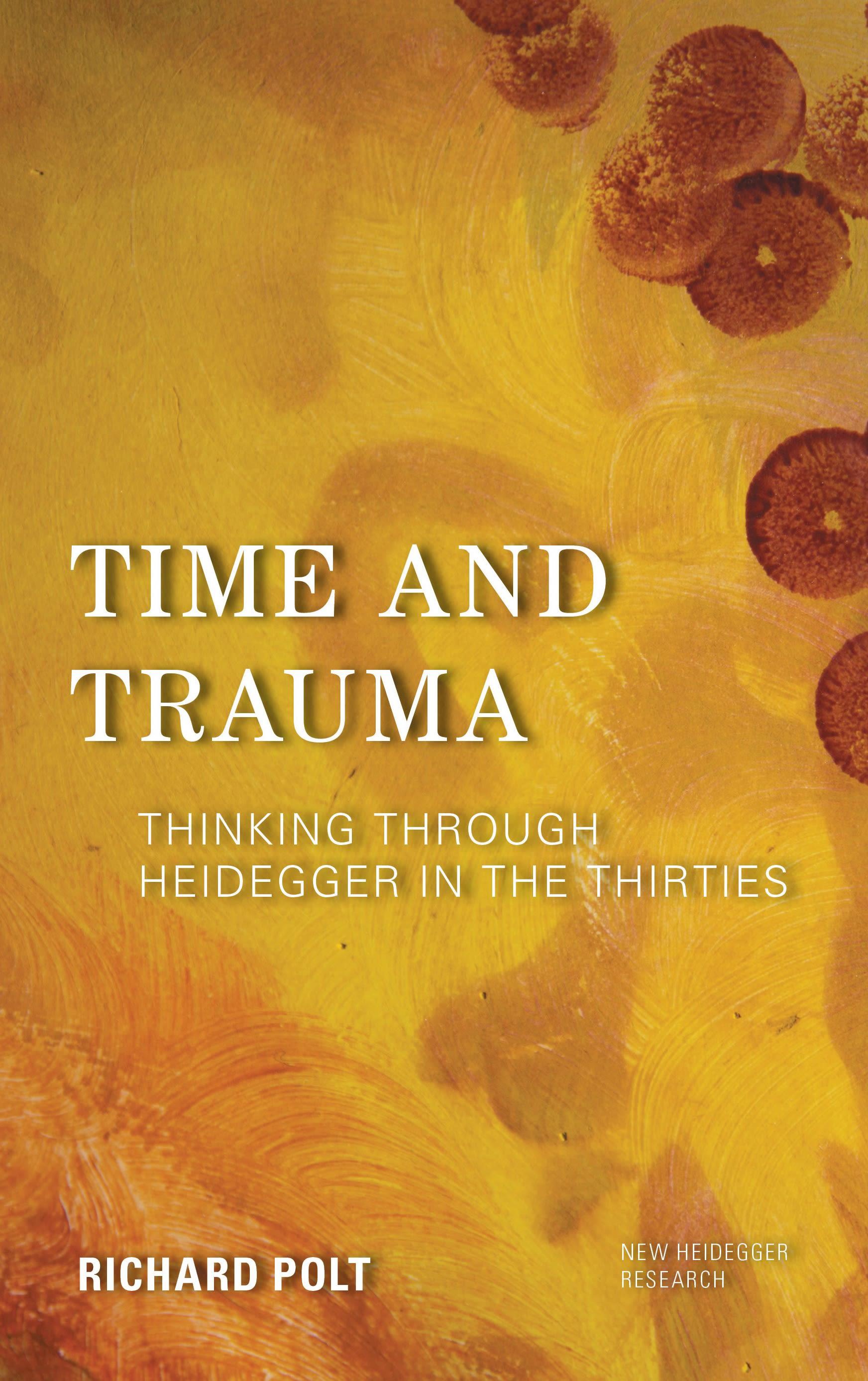
In this important new book, Richard Polt takes a fresh approach to Heidegger’s thought during his most politicized period, and works toward a philosophical appropriation of his most valuable ideas. Polt shows how central themes of the 1930s—such as inception, emergency, and the question “Who are we?”—grow from seeds planted in Being and Time and are woven into Heidegger’s political thought. Working with recently published texts, including Heidegger’s Black Notebooks, Polt traces the thinker’s engagement and disengagement from the Nazi movement. He critiques Heidegger for his failure to understand the political realm, but also draws on his ideas to propose a “traumatic ontology” that understands individual and collective existence as identities that are always in question, and always remain exposed to disruptive events. Time and Trauma is a bold attempt to gain philosophical insight from the most problematic and controversial phase of Heidegger’s thought.
Pay easily by card, Klarna, Apple Pay or Google Pay. Not happy? You always have a 14-day money-back guarantee. Read more in our terms. If you have any questions, email us at hello@memmo.org.
Memmo makes studying easier – wherever you are in the world. We bring your course books and smart study tools together in one place: summaries, quizzes, podcasts and flashcards. Plus Ted, your study buddy who answers anything you wonder. Over 50,000 students already study here – built to help you learn faster and stress less.