
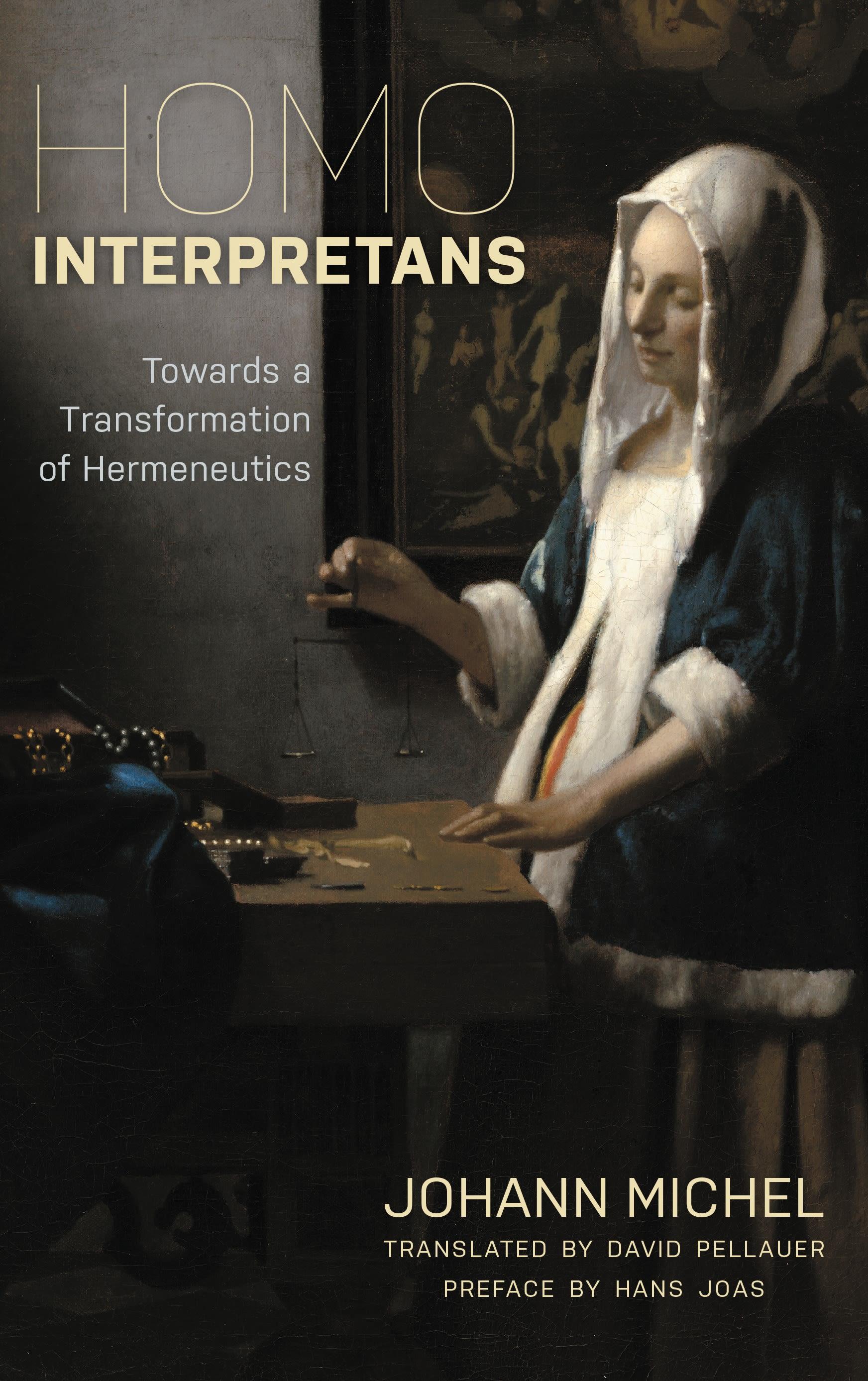
When do we interpret? That is the question at the heart of this important new work by Johann Michel. The human being does not spend his time interpreting in everyday life. We interpret when we are confronted with a blurred, confused, problematic sense. Such is the originality of the author's perspective which removes the anthropological interdict that has hampered hermeneutics since Heidegger. Michel proposes an anthropology of homo interpretans as the first and founding principle of fundamental ontology (relating to the meaning of being) as well as of the theory of knowledge (relating to interpretation in the human sciences). He argues that the root of hermeneutics lies in ordinary interpretative techniques (explication, clarification, unveiling), rather than as a set of learned technologies applied to specific fields (texts, symbols, actions).
Pay easily by card, Klarna, Apple Pay or Google Pay. Not happy? You always have a 14-day money-back guarantee. Read more in our terms. If you have any questions, email us at hello@memmo.org.
Memmo makes studying easier – wherever you are in the world. We bring your course books and smart study tools together in one place: summaries, quizzes, podcasts and flashcards. Plus Ted, your study buddy who answers anything you wonder. Over 50,000 students already study here – built to help you learn faster and stress less.