
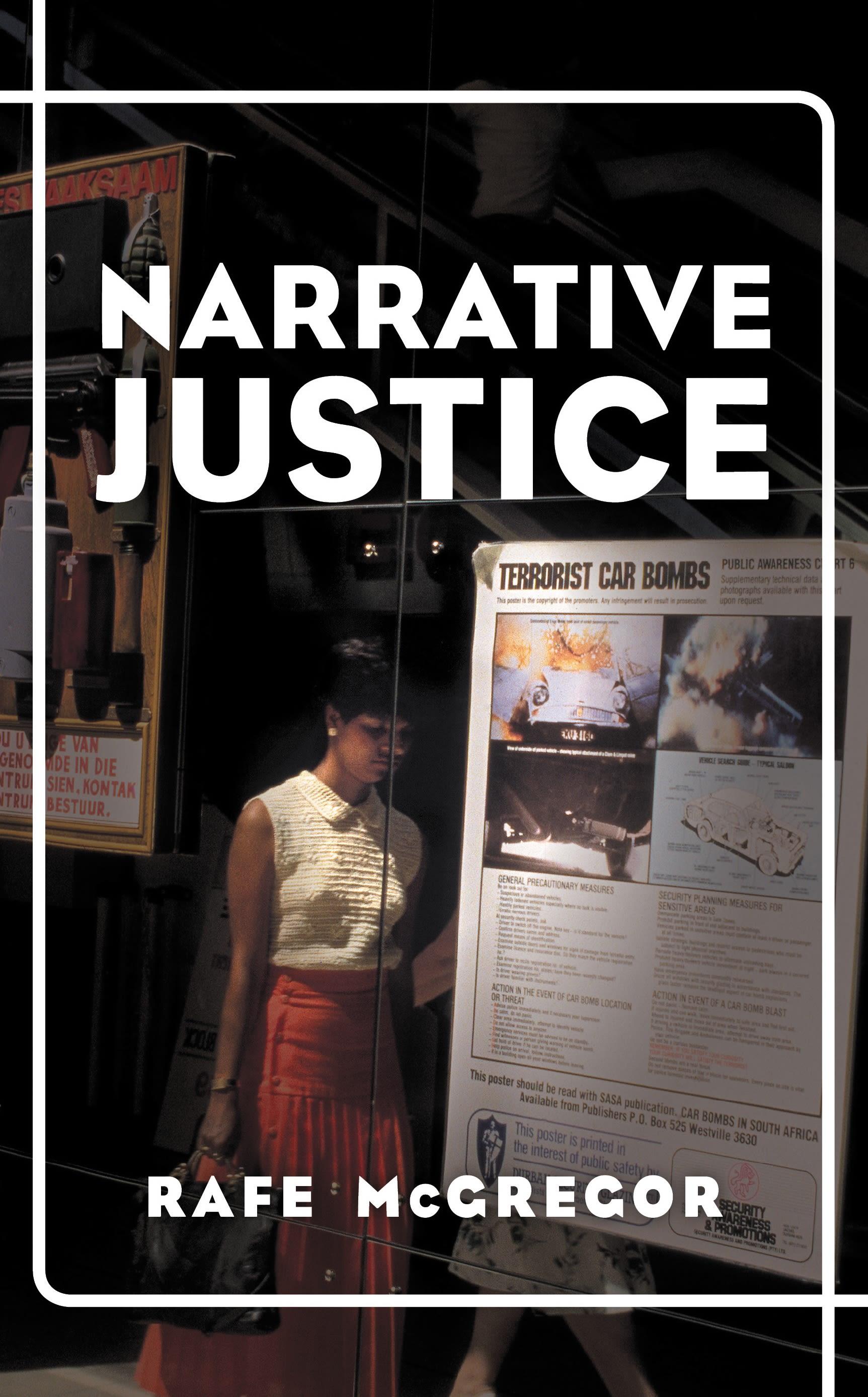
This book introduces narrative justice, a new theory of aesthetic education – the thesis that the cultivation of aesthetic or artistic sensibility can both improve moral character and achieve political justice. The author argues that there is a subcategory of narrative representations that provide moral knowledge regardless of their categorisation as fiction or non-fiction, and which therefore can be employed as a means of moral improvement. McGregor applies this narrative ethics to the criminology of inhumanity, including both crimes against humanity and terrorism. Expanding on the methodology of narrative criminology, he demonstrates that narrative representations can be employed to evaluate responsibility for inhumanity, to understand the psychology of inhumanity, and to undermine inhumanity – and are thus a means to the end of opposing injustice. He concludes that the cultivation of narrative sensibility is an important tool for both moral improvement and political justice.
Pay easily by card, Klarna, Apple Pay or Google Pay. Not happy? You always have a 14-day money-back guarantee. Read more in our terms. If you have any questions, email us at hello@memmo.org.
Memmo makes studying easier – wherever you are in the world. We bring your course books and smart study tools together in one place: summaries, quizzes, podcasts and flashcards. Plus Ted, your study buddy who answers anything you wonder. Over 50,000 students already study here – built to help you learn faster and stress less.