
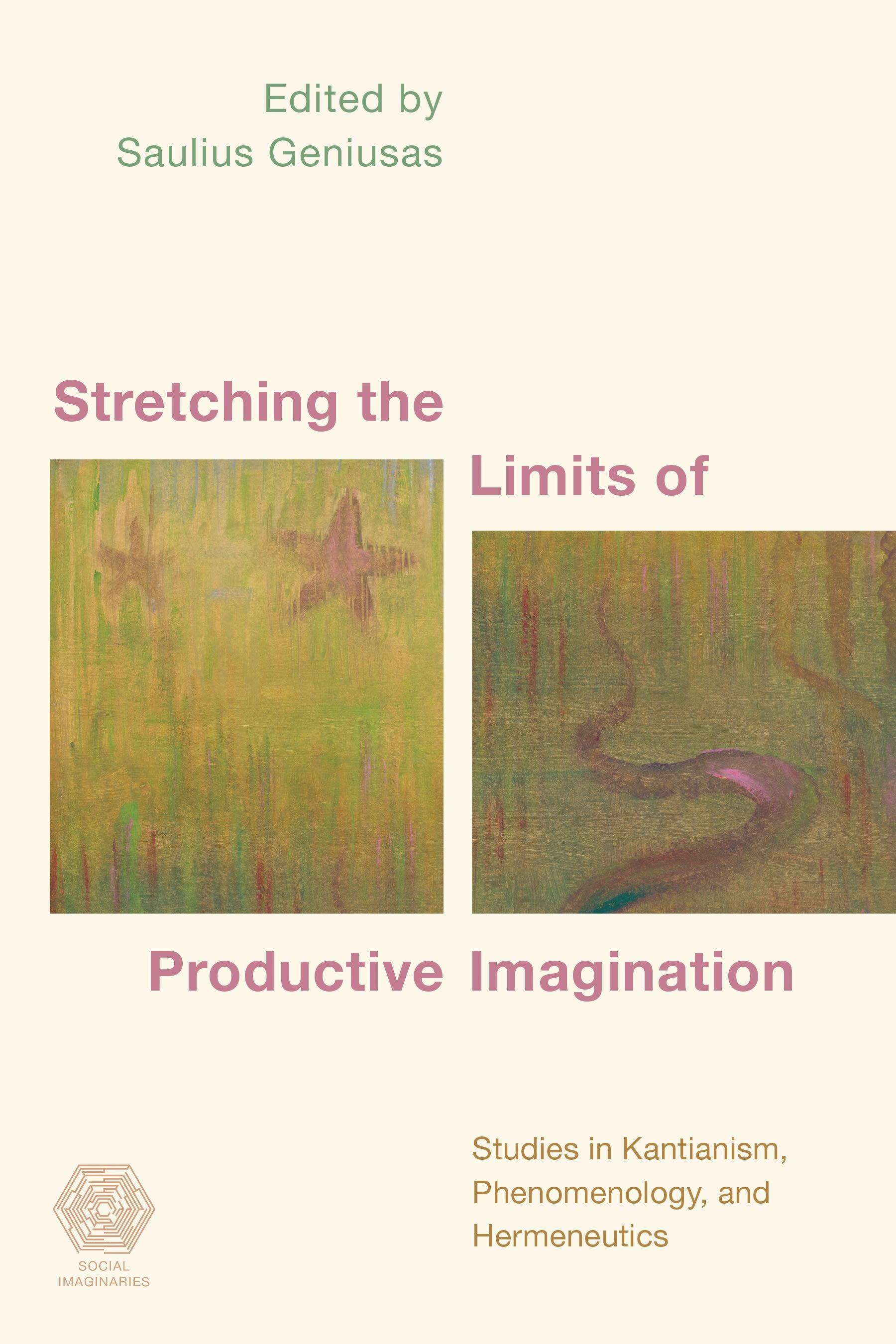
How has the concept of productive imagination been developed in post-Kantian philosophy? This important and innovative volume explores this question, with particular focus on hermeneutics, phenomenology and neo-Kantianism.
The essays in this collection demonstrate that imagination is productive not only because it fabricates non-existent objects, but also because it shapes human experience and co-determines the meaning of the experienced world. The authors show how imagination forms experience at the kinaesthetic, pre-linguistic, poetic, historical, artistic, social and political levels.
The volume offers both a thematic and a historical overview of productive imagination understood as Kant originally wanted us to understand it.
The essays in this collection demonstrate that imagination is productive not only because it fabricates non-existent objects, but also because it shapes human experience and co-determines the meaning of the experienced world. The authors show how imagination forms experience at the kinaesthetic, pre-linguistic, poetic, historical, artistic, social and political levels.
The volume offers both a thematic and a historical overview of productive imagination understood as Kant originally wanted us to understand it.
Pay easily by card, Klarna, Apple Pay or Google Pay. Not happy? You always have a 14-day money-back guarantee. Read more in our terms. If you have any questions, email us at hello@memmo.org.
Memmo makes studying easier – wherever you are in the world. We bring your course books and smart study tools together in one place: summaries, quizzes, podcasts and flashcards. Plus Ted, your study buddy who answers anything you wonder. Over 50,000 students already study here – built to help you learn faster and stress less.