
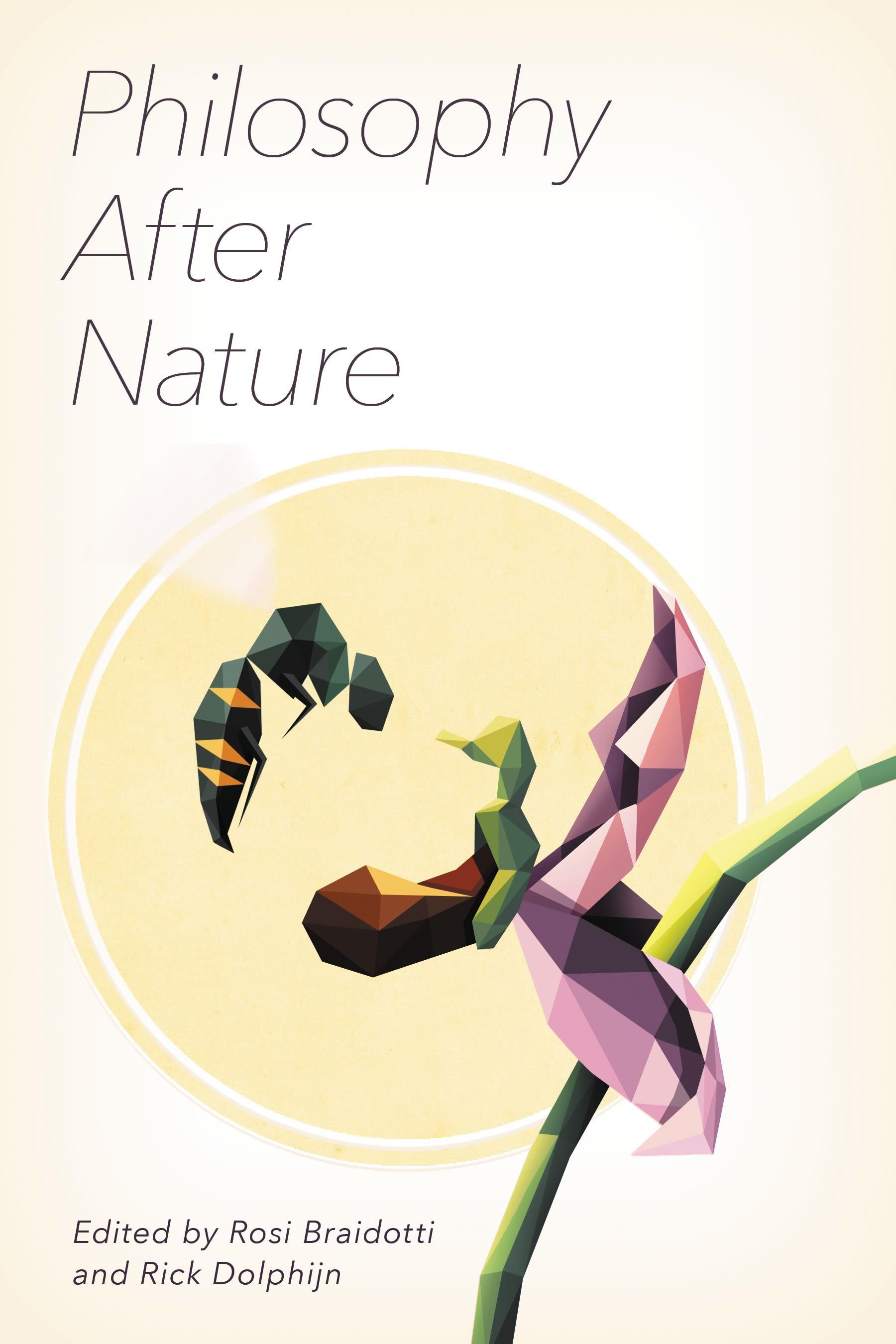
The significant changes that have dominated the social and the scientific world over the last thirty years have brought about upheavals and critical re-appraisals that have proved quite positive in fostering 21st century thought. This interdisciplinary collection of state-of-the-art essays offers innovative and thought-provoking insights concerning contemporary philosophical and cultural reflection on the nature-culture interaction. Starting from the assumption that the binary opposition between the two terms has been replaced by a continuum of the two, the volume explores both the terms of this new interaction, and its implications.
Technology occupies a central place in the shift towards a nature-cultural continuum, but it is not the only factor. The consequences of economic globalization, notably the global spread of digital mediation, also account for this change of perspective. Last but not least the climate change issue and a renewed urgency around the state of the environmental crisis also contribute to bring the ’natural’ much closer to home. Digital mediation has by now become a standard way to live and interact. The electronic frontier has altered dramatically the practice of education and research, especially in the Humanities and social sciences, with direct consequences for the institutional practice and the methodology of these disciplinary fields. This book aims to explore the implications of these complex shifts for the practice of critical thinking.
Technology occupies a central place in the shift towards a nature-cultural continuum, but it is not the only factor. The consequences of economic globalization, notably the global spread of digital mediation, also account for this change of perspective. Last but not least the climate change issue and a renewed urgency around the state of the environmental crisis also contribute to bring the ’natural’ much closer to home. Digital mediation has by now become a standard way to live and interact. The electronic frontier has altered dramatically the practice of education and research, especially in the Humanities and social sciences, with direct consequences for the institutional practice and the methodology of these disciplinary fields. This book aims to explore the implications of these complex shifts for the practice of critical thinking.
Pay easily by card, Klarna, Apple Pay or Google Pay. Not happy? You always have a 14-day money-back guarantee. Read more in our terms. If you have any questions, email us at hello@memmo.org.
Memmo makes studying easier – wherever you are in the world. We bring your course books and smart study tools together in one place: summaries, quizzes, podcasts and flashcards. Plus Ted, your study buddy who answers anything you wonder. Over 50,000 students already study here – built to help you learn faster and stress less.