
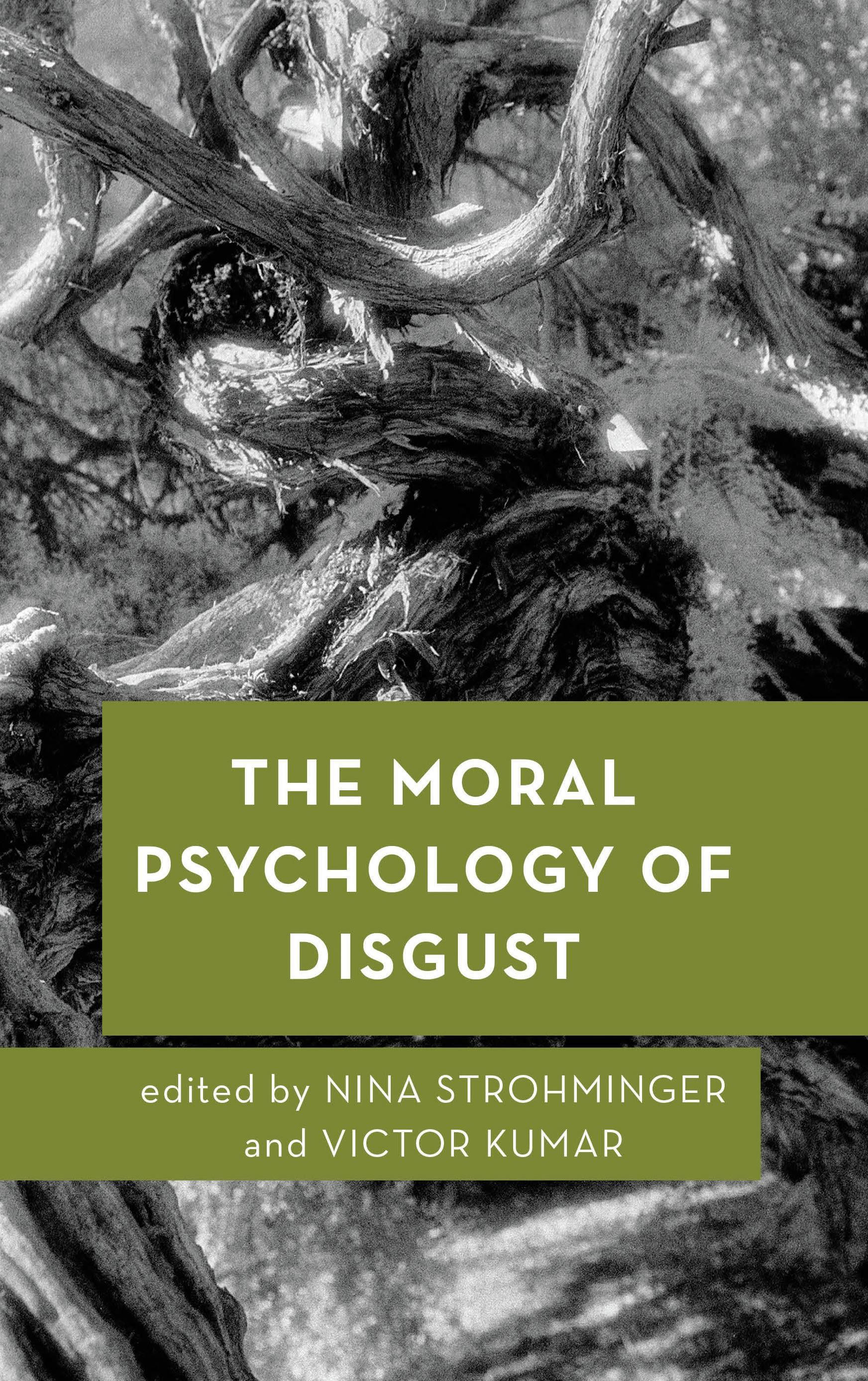
Does disgust guide moral behavior, or does it hamper it? Does disgust play a critical role in ordinary moral judgments, or almost no role at all? In this volume, experts in the field come together to explore fundamental questions about the role that disgust plays (and ought to play) in our moral lives. This book features twelve new essays, nestled comfortably at the intersection of psychology and philosophy.
The Moral Psychology of Disgust brings together leading scholars—ethical theorists, cognitive scientists, developmental psychologists, legal scholars, cognitive neuroscientists, anthropologists—each answering questions that arise at the intersection of morality and disgust. The book introduces readers to the most pressing issues facing the field, and gives a perspective that is representative of the range of views and concerns that reflect the current research terrain.
The book addresses three main themes: the origins of moral disgust, exploring the evolutionary function of disgust and its role in sustaining group dynamics; the psychological mechanisms underlying disgust responses and the way in which disgust influences reasoning about agency, violence, sex, and meaning; and the ethical challenges posed by disgust. The contributors explore whether we are justified in using disgust to form beliefs about right and wrong and how disgust sheds light on the very nature of morality.
The Moral Psychology of Disgust brings together leading scholars—ethical theorists, cognitive scientists, developmental psychologists, legal scholars, cognitive neuroscientists, anthropologists—each answering questions that arise at the intersection of morality and disgust. The book introduces readers to the most pressing issues facing the field, and gives a perspective that is representative of the range of views and concerns that reflect the current research terrain.
The book addresses three main themes: the origins of moral disgust, exploring the evolutionary function of disgust and its role in sustaining group dynamics; the psychological mechanisms underlying disgust responses and the way in which disgust influences reasoning about agency, violence, sex, and meaning; and the ethical challenges posed by disgust. The contributors explore whether we are justified in using disgust to form beliefs about right and wrong and how disgust sheds light on the very nature of morality.
Pay easily by card, Klarna, Apple Pay or Google Pay. Not happy? You always have a 14-day money-back guarantee. Read more in our terms. If you have any questions, email us at hello@memmo.org.
Memmo makes studying easier – wherever you are in the world. We bring your course books and smart study tools together in one place: summaries, quizzes, podcasts and flashcards. Plus Ted, your study buddy who answers anything you wonder. Over 50,000 students already study here – built to help you learn faster and stress less.