
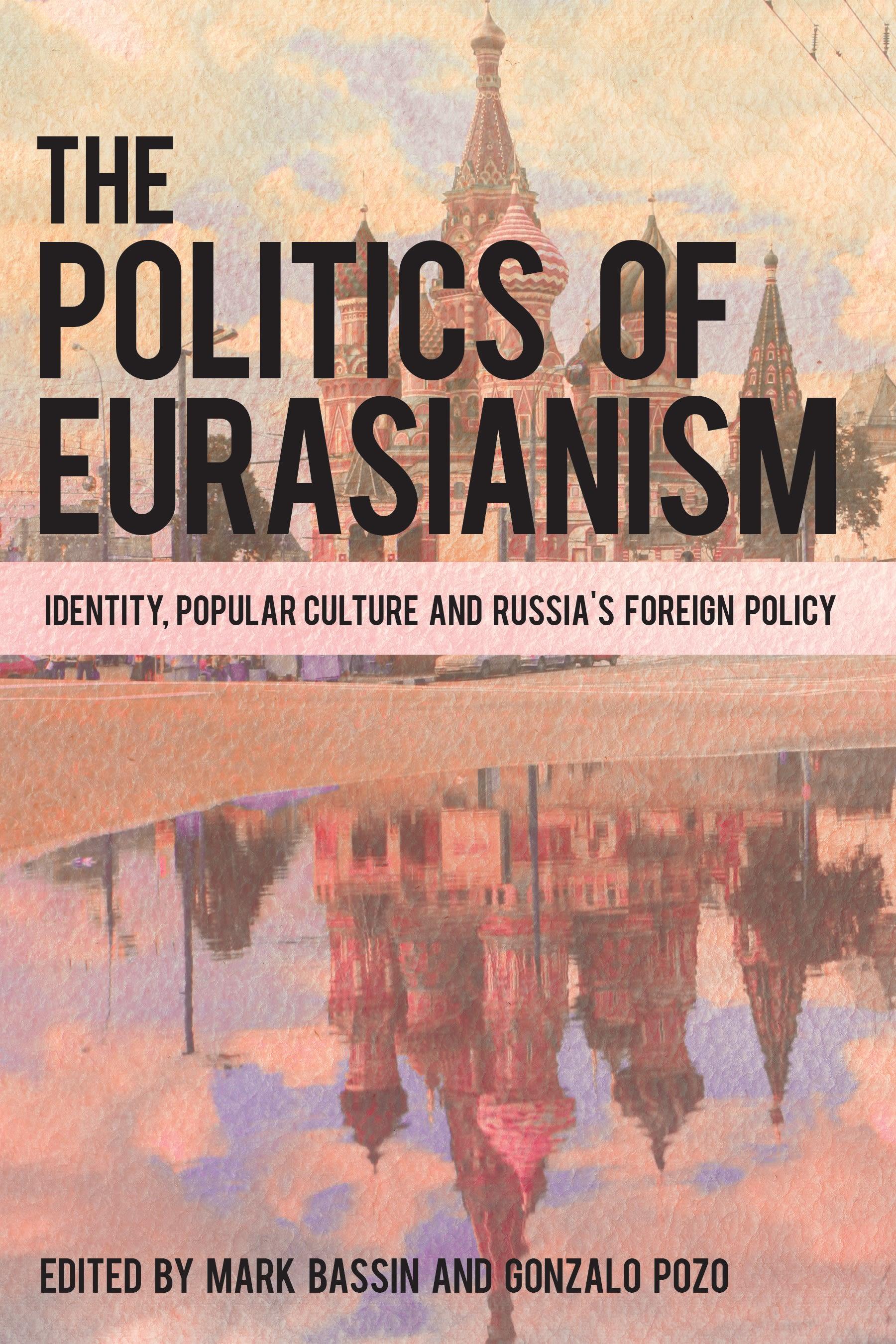
In the course of Vladimir Putin’s third presidential term, many of the doctrines and ideas associated with Eurasianism have moved to the center of public political discourses in Russia. Eurasianism, both Russian and non-Russian, is politically active —influential and contested— in debates about identity, popular culture or foreign policy narratives.
Deploying a variety of theoretical frameworks and perspectives, the essays in this volume work together to shed light on both Eurasianism’s plasticity and contemporary weight, and examine how its tropes and discourses are appropriated, interpreted, modulated and deployed politically, by national groups, oppositional forces (left or right), prominent intellectuals, artists, and last but not least, government elites. In doing so, this collection addresses essential themes and questions currently shaping the Post-Soviet world and beyond.
Deploying a variety of theoretical frameworks and perspectives, the essays in this volume work together to shed light on both Eurasianism’s plasticity and contemporary weight, and examine how its tropes and discourses are appropriated, interpreted, modulated and deployed politically, by national groups, oppositional forces (left or right), prominent intellectuals, artists, and last but not least, government elites. In doing so, this collection addresses essential themes and questions currently shaping the Post-Soviet world and beyond.
Pay easily by card, Klarna, Apple Pay or Google Pay. Not happy? You always have a 14-day money-back guarantee. Read more in our terms. If you have any questions, email us at hello@memmo.org.
Memmo makes studying easier – wherever you are in the world. We bring your course books and smart study tools together in one place: summaries, quizzes, podcasts and flashcards. Plus Ted, your study buddy who answers anything you wonder. Over 50,000 students already study here – built to help you learn faster and stress less.