
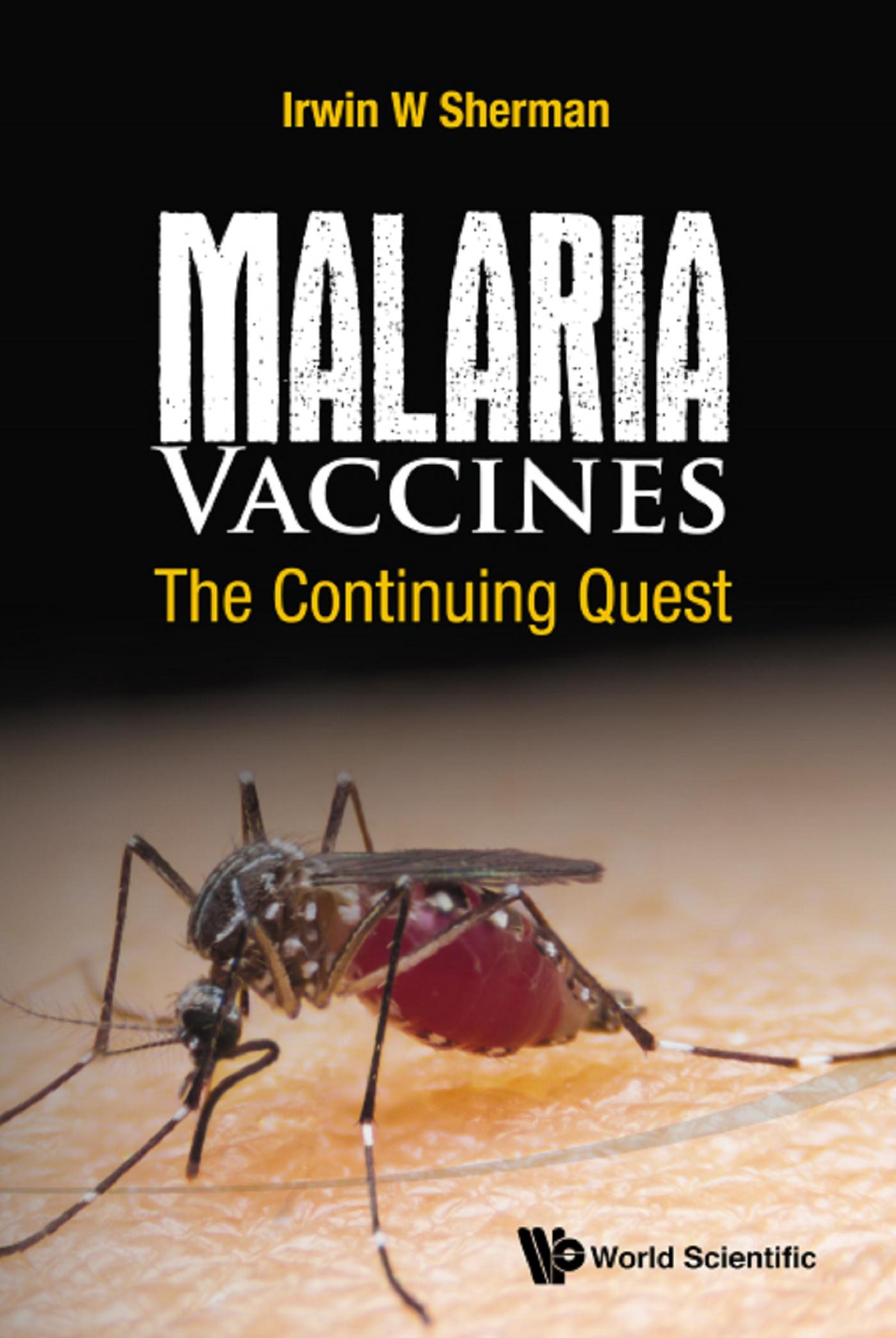
In 2013, 200 million people were infected with malaria, resulting in over 584,000 deaths, with the potential to affect over half the world's population. Such is the widespread nature of malaria that it is increasingly believed only a vaccine will lead to its eradication.Although the first attempt at a vaccine was made a century ago, it is only in the last 30 years that real progress in testing has been made, in the hope of discovering a molecule that can provide long-lasting protection against the disease. In July 2015, GlaxoSmithKline (GSK) announced that after 30 years of research it had received the green light from the European Medicines Agency for the world's first malaria vaccine, RTS, S, for use in African children aged 6 weeks to 17 months.This book chronicles the development of RTS, S — done in collaboration with the Walter Reed Army Institute for Research, the PATH Malaria Vaccine Initiative (MVI) and funded in part by the Bill and Melinda Gates Foundation — as well as previous candidate vaccines. It also focusses on the continuing quest to find more effective vaccines against this continuing health crisis. Finally, it provides an easily understood background on recombinant DNA and monoclonal antibodies and places them in perspective to their contributions to malaria vaccine development.This book serves as a convenient and easily accessible source of information for students, teachers, microbiologists, parasitologists, physicians, clinicians and research funders.
Pay easily by card, Klarna, Apple Pay or Google Pay. Not happy? You always have a 14-day money-back guarantee. Read more in our terms. If you have any questions, email us at hello@memmo.org.
Memmo makes studying easier – wherever you are in the world. We bring your course books and smart study tools together in one place: summaries, quizzes, podcasts and flashcards. Plus Ted, your study buddy who answers anything you wonder. Over 75,000 students already study here – built to help you learn faster and stress less.
You might also like
Buy the book0