
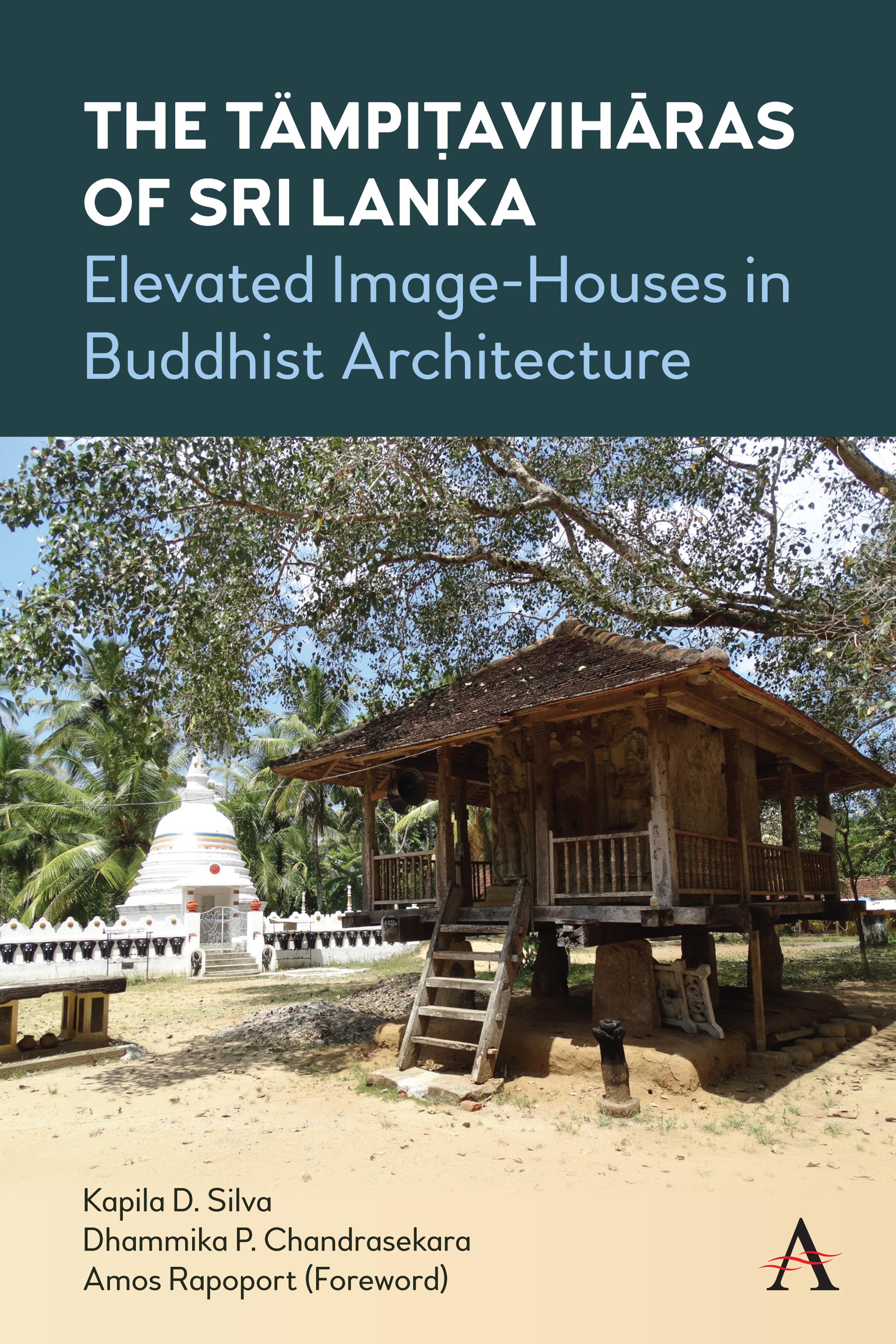
The Ṭämpiṭavihāras of Sri Lanka focuses on one distinctive Buddhist architectural practice from pre-modern Sri Lanka – the construction of Buddha image-houses on elevated wooden platforms supported by stone pillars. As a centre of Buddhism, Sri Lanka has a rich tradition of erecting Buddha image-houses, the origin of which dates to the fifth century. Yet, the ṭämpiṭavihāra tradition only existed from the thirteenth to the nineteenth centuries. The ṭämpiṭavihāra is an exceptional type of image-house, not only for its specific timeframe and unique construction technology, but also for its complex architectural conception of the Buddhist worldview and soteriology. This book examines the significant aspects of ṭämpiṭavihāra architecture and documents some of the distinctive examples of ṭämpiṭavihāra with an analysis of their architectural design and symbolic content.
Pay easily by card, Klarna, Apple Pay or Google Pay. Not happy? You always have a 14-day money-back guarantee. Read more in our terms. If you have any questions, email us at hello@memmo.org.
Memmo makes studying easier – wherever you are in the world. We bring your course books and smart study tools together in one place: summaries, quizzes, podcasts and flashcards. Plus Ted, your study buddy who answers anything you wonder. Over 75,000 students already study here – built to help you learn faster and stress less.