
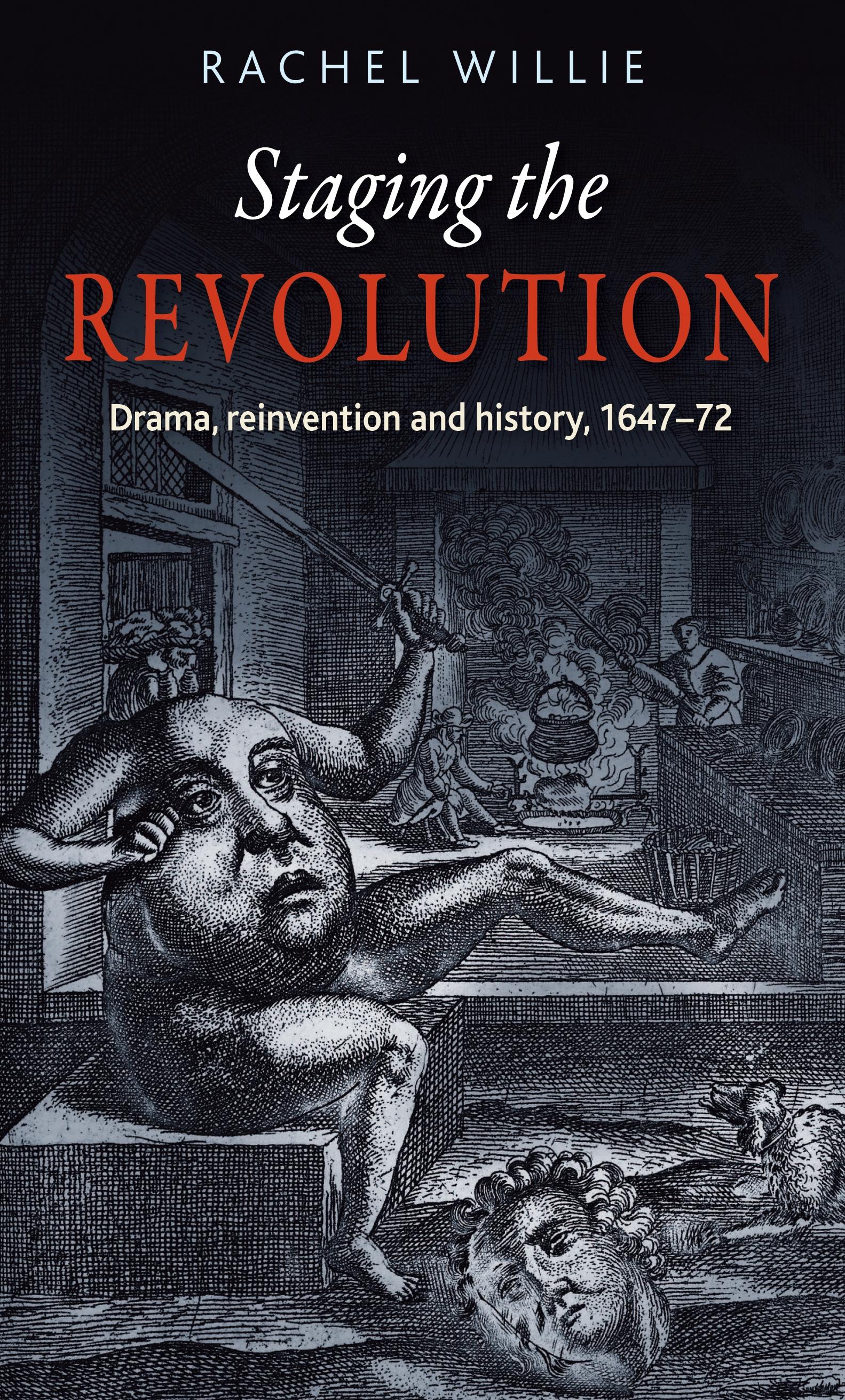
Staging the revolution offers a reappraisal of the weight and volume of theatrical output during the commonwealth and early Restoration, both in terms of live performances and performances on the paper stage. It argues that the often-cited notion that 1642 marked an end to theatrical production in England until the playhouses were reopened in 1660 is a product of post-Restoration re-writing of the English civil wars and the representations of royalists and parliamentarians that emerged in the 1640s and 1650s. These retellings of recent events in dramatic form mean that drama is central to civil-war discourse. Staging the revolution examines the ways in which drama was used to rewrite the civil war and commonwealth period and demonstrates that, far from marking a clear cultural demarcation from the theatrical output of the early seventeenth century, the Restoration is constantly reflecting back on the previous thirty years.
Pay easily by card, Klarna, Apple Pay or Google Pay. Not happy? You always have a 14-day money-back guarantee. Read more in our terms. If you have any questions, email us at hello@memmo.org.
Memmo makes studying easier – wherever you are in the world. We bring your course books and smart study tools together in one place: summaries, quizzes, podcasts and flashcards. Plus Ted, your study buddy who answers anything you wonder. Over 75,000 students already study here – built to help you learn faster and stress less.
You might also like
Buy the book0