
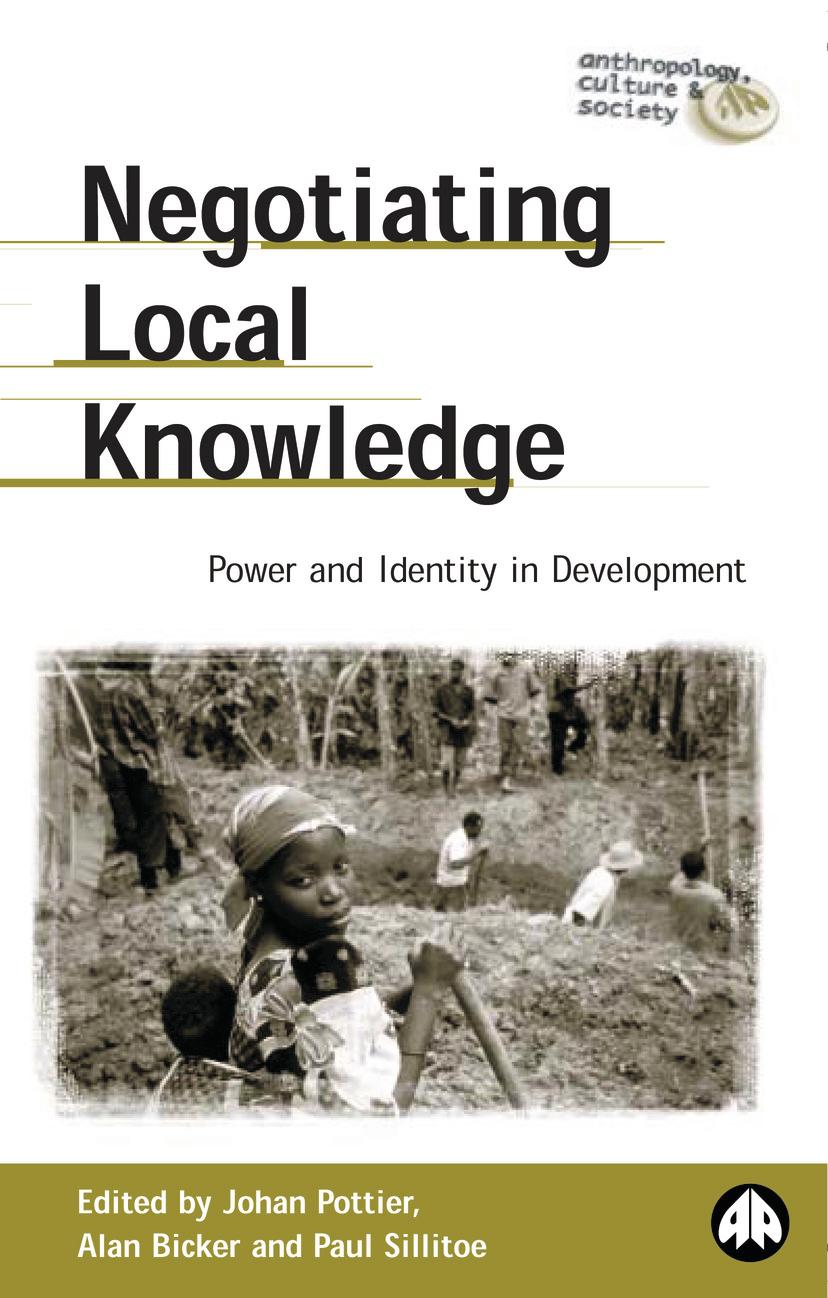
This is an original approach to debates about indigenous knowledge. Concentrating on the political economy of knowledge construction and dissemination, they look at the variety of ways in which development policies are received and constructed, to reveal the ways in which local knowledge are appropriated and recast, either by local elites or by development agencies.
Until now, debates about indigenous knowledge have largely been conducted in terms of agricultural and environmental issues such as bio-piracy and gene patenting. This collection breaks new ground by opening up the theoretical debate to include areas such as post-war traumatic stress counselling, representations of nuclear capability, architecture, mining, and the politics of eco-tourism.
Until now, debates about indigenous knowledge have largely been conducted in terms of agricultural and environmental issues such as bio-piracy and gene patenting. This collection breaks new ground by opening up the theoretical debate to include areas such as post-war traumatic stress counselling, representations of nuclear capability, architecture, mining, and the politics of eco-tourism.
Pay easily by card, Klarna, Apple Pay or Google Pay. Not happy? You always have a 14-day money-back guarantee. Read more in our terms. If you have any questions, email us at hello@memmo.org.
Memmo makes studying easier – wherever you are in the world. We bring your course books and smart study tools together in one place: summaries, quizzes, podcasts and flashcards. Plus Ted, your study buddy who answers anything you wonder. Over 50,000 students already study here – built to help you learn faster and stress less.
You might also like
Buy the book0